Healthy Habits for Better Women’s Health
Women’s health is influenced by many different factors, including nutrition,
physical activity, sleep, stress, hormonal changes and regular healthcare.
Taking care of your health does not require making major changes overnight.
Small, healthy habits practiced consistently can support physical, mental and
emotional well-being.
Why Healthy Habits Matter
A healthy lifestyle can support energy levels, heart health, bone strength,
immunity, hormonal health and emotional well-being. Healthy habits may also
help women better understand their bodies and recognise when a health problem
needs professional attention.
1. Eat a Balanced and Nutritious Diet
A balanced diet provides the body with essential nutrients needed for energy
and normal body functions. Try to include a variety of vegetables, fruits,
whole grains, pulses, protein-rich foods and healthy fats.
Important nutrients for women may include:
·
Iron
·
Calcium
·
Vitamin D
·
Protein
·
Folate
·
Fibre
Iron is especially important for women who experience regular menstrual
blood loss. However, supplements should not be taken unnecessarily without
appropriate medical advice.
2. Stay Physically Active
Regular physical activity can support heart health, muscle strength, bone
health, mood and general fitness. Activities such as walking, cycling,
swimming, yoga and strength exercises can be included according to individual
ability and preferences.
The goal is not perfection. Consistent movement is more important than
following an extreme exercise routine.
3. Make Sleep a Priority
Good sleep is an important part of overall health. Adults generally need at
least seven hours of sleep each night, although individual needs may vary.
Helpful sleep habits include:
·
Going to bed and waking up at consistent times
·
Limiting screen use before bedtime
·
Avoiding excessive caffeine late in the day
·
Keeping the bedroom comfortable
·
Following a relaxing bedtime routine
Regularly poor sleep can affect energy, mood, concentration and daily
functioning.
4. Learn to Manage Stress
Stress is a normal part of life, but ongoing stress can affect overall
well-being. Finding healthy ways to manage stress can support emotional health
and daily functioning.
Some helpful activities may include:
·
Deep breathing exercises
·
Meditation
·
Gentle exercise
·
Journaling
·
Spending time with supportive people
·
Enjoying hobbies
·
Taking regular breaks
If stress, anxiety or low mood continues for a long time or affects daily
life, speaking with a qualified healthcare professional can be helpful.
5. Pay Attention to Menstrual Health
Menstrual health can provide useful information about a woman’s overall
health. Tracking periods may help identify changes in cycle length, bleeding
and symptoms.
Pay attention to:
·
Very heavy bleeding
·
Severe period pain
·
Irregular periods
·
Bleeding between periods
·
Missed periods
·
Sudden changes in the usual menstrual pattern
Significant or persistent changes should be discussed with a qualified
healthcare professional.
6. Support Strong Bones
Bone health is important throughout a woman’s life. A balanced diet
containing calcium and vitamin D, together with regular physical activity, can
help support bone strength.
Weight-bearing activities such as walking and strength exercises may also be
beneficial for maintaining healthy bones.
7. Maintain a Healthy Weight Without Extreme Dieting
A healthy weight can mean different things for different people. Extreme
diets and rapid weight-loss methods may not be suitable for everyone.
Instead, focus on:
·
Balanced meals
·
Regular physical activity
·
Adequate sleep
·
Consistent healthy habits
If you are concerned about weight changes, a qualified healthcare
professional can provide personalised advice.
8. Take Care of Your Emotional Health
Mental and emotional health are important parts of women’s overall wellness.
It is normal to experience difficult emotions from time to time, but persistent
sadness, anxiety, hopelessness or emotional distress should not be ignored.
Talking with a trusted person or qualified mental-health professional can be
an important step toward getting support.
9. Keep Up With Appropriate Health Check-Ups
Regular healthcare visits can help identify potential health concerns early.
The appropriate check-ups and screenings may depend on factors such as age,
family history, personal health and individual risk.
Discuss suitable preventive care with your healthcare professional.
10. Avoid Harmful Habits
Avoiding tobacco and making informed choices about alcohol can support
long-term health. Medicines, supplements and herbal products should also be
used responsibly.
Always inform your healthcare professional about medicines and supplements
you are taking.
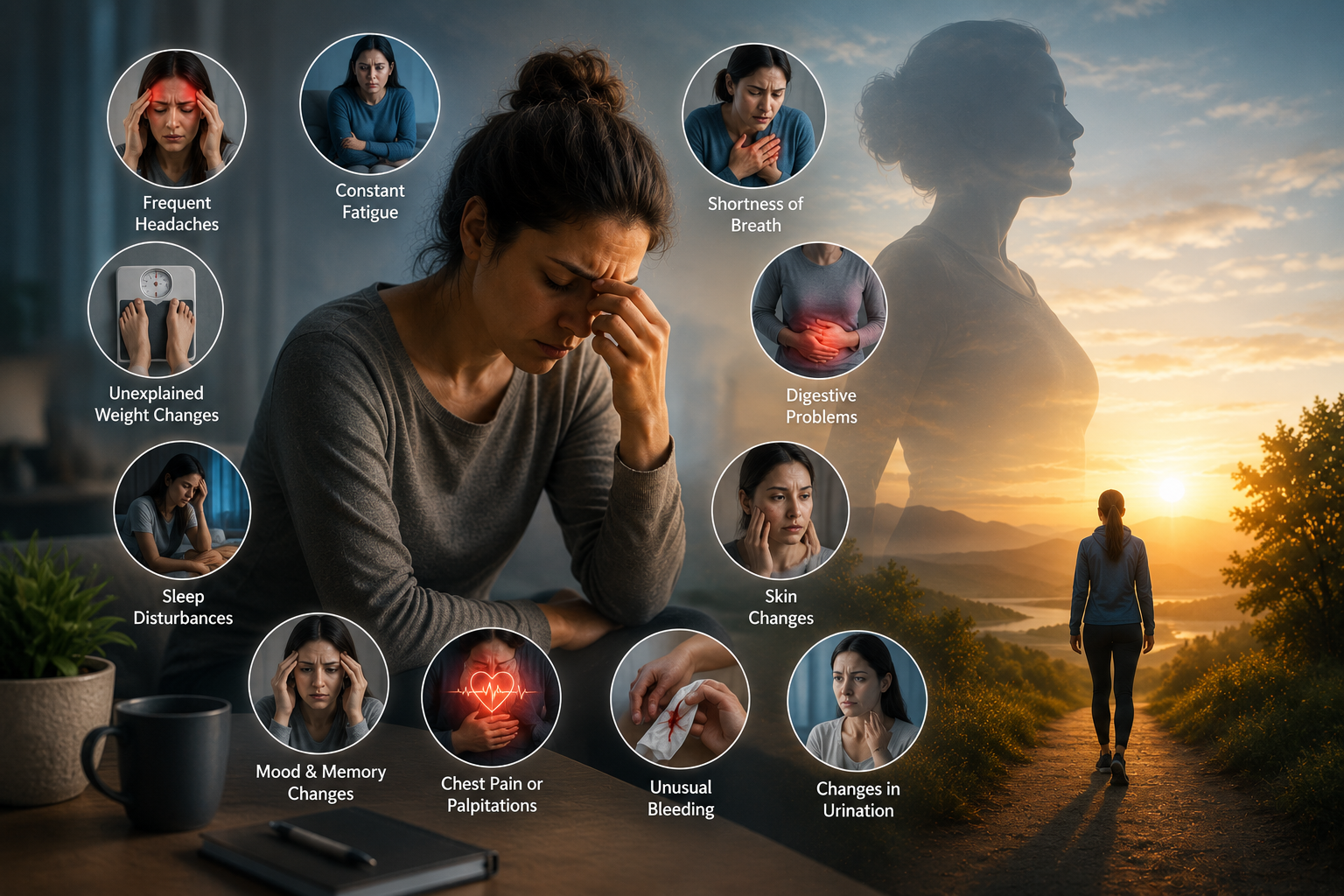
11. Listen to Your Body
Women should pay attention to symptoms that are unusual, persistent or
worsening.
Seek medical advice for concerns such as:
·
Unexplained and persistent fatigue
·
Sudden or unexplained weight changes
·
Severe or ongoing pain
·
Significant menstrual changes
·
Unusual bleeding
·
Persistent headaches
·
Repeated digestive problems
·
Symptoms that interfere with daily activities
A symptom does not always indicate a serious health problem, but persistent
changes deserve appropriate evaluation.
A Balanced Approach to Complementary Care
Some women choose complementary approaches, including homeopathy, as part of
their personal healthcare choices. However, persistent or concerning symptoms
should receive appropriate medical evaluation.
Complementary care should not replace necessary diagnosis or delay urgent
treatment. Always discuss your complete list of medicines, supplements and
complementary products with your healthcare professionals.
Final Thoughts
Better women’s health begins with everyday habits. Eating nutritious food,
staying active, getting enough sleep, managing stress and paying attention to
changes in your body can all support long-term well-being.
Healthy living is not about being perfect. It is about making realistic
choices consistently and seeking professional advice when something does not
feel right.
Taking care of your health today can help create a stronger foundation for a
healthier future.