Blackheads and Whiteheads: Causes and Prevention
Blackheads and whiteheads are common skin concerns that can affect teenagers and adults. They often appear on the face, especially around the nose, forehead, and chin, but can also develop on the chest, shoulders, and back.
Although they are usually harmless, these small bumps can affect the appearance and texture of the skin. Understanding why they develop and how to care for your skin can help prevent clogged pores and reduce breakouts.
With a consistent skin care routine and appropriate treatment, blackheads and whiteheads can often be managed effectively.
What Are Blackheads and Whiteheads?
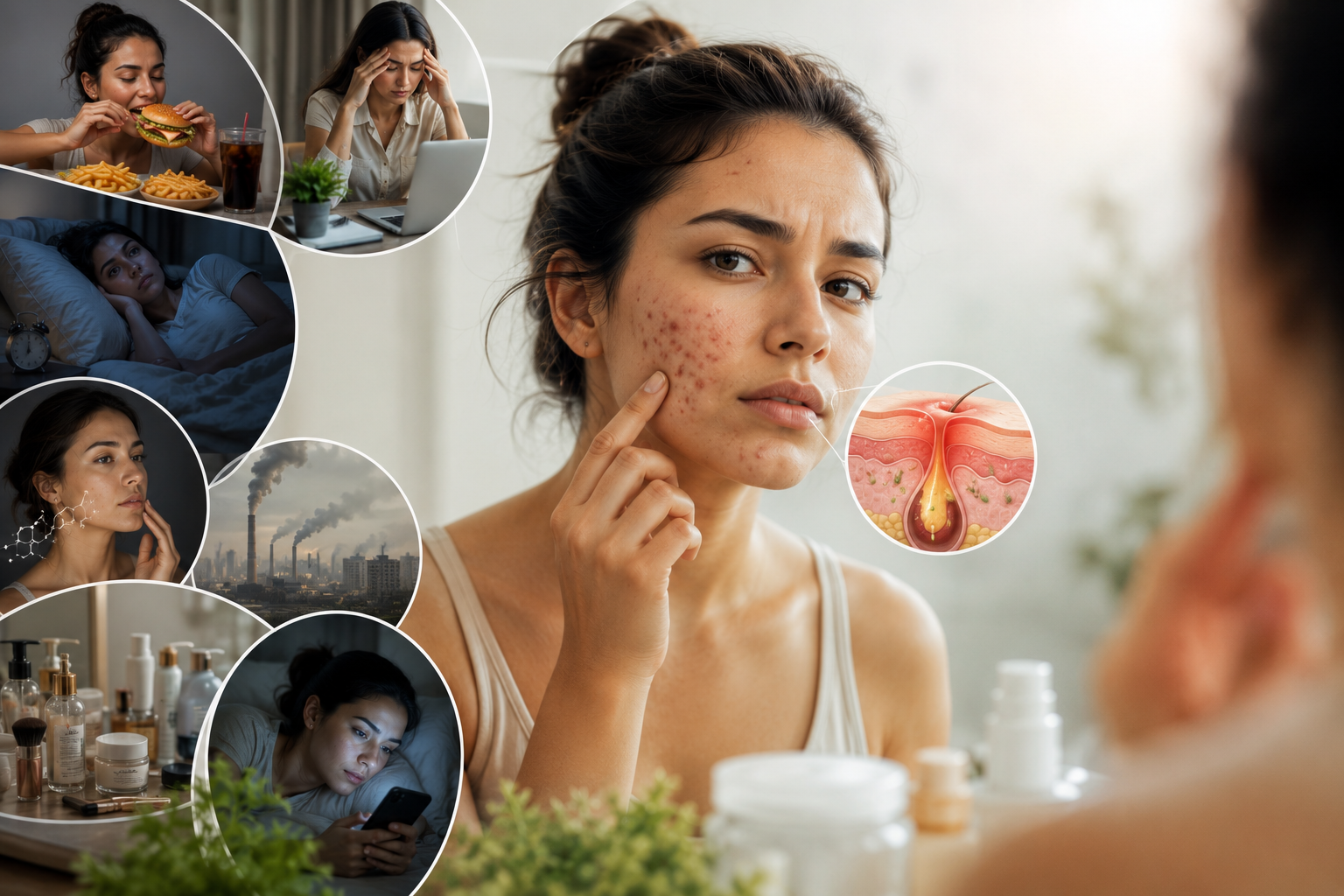
Blackheads and whiteheads are types of comedones, which are a common form of non-inflammatory acne. They develop when hair follicles become blocked by oil (sebum), dead skin cells, and other material.
What Are Blackheads?
Blackheads are small, dark spots that appear when a clogged pore remains open at the skin's surface. The dark colour develops when material inside the pore reacts with air. It is not simply dirt, so scrubbing the skin aggressively will not remove the underlying problem.
Blackheads commonly appear on the nose, forehead, and chin, where oil production may be higher.
What Are Whiteheads?
Whiteheads form when a pore becomes clogged but remains closed at the skin's surface. They typically appear as small, skin-coloured or whitish bumps.
Whiteheads may be more noticeable on the forehead, cheeks, chin, and other areas prone to acne.
What Causes Blackheads and Whiteheads?
Several factors can contribute to clogged pores.
1. Excess Oil Production
Sebaceous glands produce sebum to help lubricate and protect the skin. When excess oil combines with dead skin cells, pores may become blocked.
2. Dead Skin Cell Buildup
Skin naturally sheds dead cells. When these cells accumulate within hair follicles, they can contribute to the formation of blackheads and whiteheads.
3. Hormonal Changes
Hormonal fluctuations during puberty, menstruation, pregnancy, and other life stages can influence oil production. This may increase the likelihood of developing acne and clogged pores.
4. Comedogenic Skin Care Products
Some moisturizers, makeup products, sunscreens, and hair products may contribute to clogged pores in susceptible individuals. Products labelled non-comedogenic are designed to be less likely to block pores, although individual responses can vary.
5. Inappropriate Skin Care Habits
Harsh scrubbing, frequent exfoliation, and using too many active ingredients can irritate the skin. Irritation may worsen existing acne and make the skin more uncomfortable.
6. Genetics
A family history of acne may increase the likelihood of developing acne-related concerns, including blackheads and whiteheads.
7. Sweat, Friction, and Occlusion
Sweat combined with tight clothing, helmets, or other items that trap heat and moisture may contribute to breakouts in some people. Sweat itself does not directly cause blackheads, but skin care after sweating can help reduce irritation.
How to Prevent Blackheads and Whiteheads
You cannot always prevent clogged pores completely, but the following habits may help reduce their formation.
1. Cleanse Your Skin Gently
Wash your face twice daily and after heavy sweating using a mild cleanser suitable for your skin type.
Avoid scrubbing aggressively, as this can irritate your skin without removing the underlying blockage.
2. Choose Non-Comedogenic Products
Look for skin care and makeup products labelled non-comedogenic or formulated for acne-prone skin.
Remove makeup before sleeping and clean items that frequently touch your face, such as makeup brushes.
3. Moisturize Regularly
Even oily or acne-prone skin needs moisture. Choose a lightweight, non-comedogenic moisturizer to help maintain the skin barrier.
Avoid excessively drying your skin in an attempt to eliminate oil, as this may cause irritation.
4. Consider Salicylic Acid
Salicylic acid is a common over-the-counter ingredient used to help manage clogged pores. It helps loosen the buildup of dead skin cells and oil within pores.
Start with a low-strength product and follow its instructions. Introduce it gradually, particularly if your skin is sensitive. Stop or reduce use if significant irritation develops.
If you are pregnant or breastfeeding, ask your healthcare professional before starting acne treatments, particularly medicated products.
5. Avoid Picking or Squeezing
Squeezing blackheads and whiteheads can cause inflammation, skin damage, infection, and scarring. If extractions are appropriate, a trained skin care professional or dermatologist can advise on safer options.
6. Remove Sweat and Makeup Properly
After exercise or heavy sweating, gently cleanse your skin. Avoid leaving heavy makeup on overnight, and wash reusable makeup tools regularly.
7. Maintain a Consistent Routine
Changing products frequently can make it difficult to identify what works. Use a simple routine consistently and give suitable acne treatments time to work.
Visible improvement may take several weeks, and some treatments require longer.
A Simple Daily Skin Care Routine
A basic routine can help support clearer, healthier-looking skin.
Morning
Wash with a gentle cleanser.
Apply a lightweight, non-comedogenic moisturizer.
Use broad-spectrum sunscreen with SPF 30 or higher.
Evening
Remove makeup and sunscreen.
Cleanse gently.
Apply an appropriate acne treatment if suitable.
Finish with moisturizer.
Avoid starting several acne treatments at once. If irritation occurs, simplify your routine and seek advice if symptoms persist.
Common Mistakes to Avoid
Some common habits can worsen clogged pores or irritate the skin.
Scrubbing blackheads with rough exfoliators.
Using toothpaste, lemon juice, or other irritating home remedies on the face.
Applying too many acne products simultaneously.
Squeezing or picking at clogged pores.
Skipping moisturizer because your skin is oily.
Expecting immediate results from acne treatments.
Using harsh products that cause persistent redness or peeling.
A gentle, evidence-based routine is generally preferable to aggressive skin care methods.
When Should You Consult a Dermatologist?
Blackheads and whiteheads can often be managed with appropriate skin care, but professional advice may be helpful if:
Breakouts persist despite consistent care.
You develop painful or deep acne lesions.
Acne leaves scars or persistent dark marks.
Your skin becomes severely irritated by acne treatments.
You are unsure whether the bumps are blackheads, whiteheads, or another skin condition.
A dermatologist can assess your skin and recommend suitable treatments. Depending on the situation, these may include topical retinoids, salicylic acid, or other prescribed medicines.
Do not start prescription acne treatments without professional guidance. Some treatments, including topical and oral retinoids, require particular precautions during pregnancy.
Frequently Asked Questions
Are blackheads caused by dirt?
No. Blackheads develop when material inside a clogged pore darkens through exposure to air. Excessive washing and scrubbing are not necessary and can irritate the skin.
Can oily skin still become dehydrated?
Yes. Oily skin can lack water even while producing excess sebum. A suitable moisturizer can help maintain the skin barrier without necessarily making the skin feel greasy.
Do blackheads turn into pimples?
A clogged pore can become inflamed and develop into an acne lesion, but not every blackhead or whitehead will turn into a pimple.
How long does it take to reduce blackheads and whiteheads?
Improvement often takes several weeks of consistent treatment. Results depend on the product used, the severity of acne, and individual skin characteristics.
Can blackheads and whiteheads be permanently prevented?
Not always. Hormones, genetics, and natural oil production can contribute to recurring clogged pores. Ongoing skin care and suitable treatment can help control them.
Conclusion
Blackheads and whiteheads are common forms of acne that develop when pores become clogged with oil and dead skin cells. Hormonal changes, genetics, and certain skin care products can contribute to their formation.
Gentle cleansing, non-comedogenic products, regular moisturizing, appropriate acne treatments, and avoiding squeezing can help reduce clogged pores. If breakouts persist, cause scarring, or become painful, consult a qualified dermatologist for an individualized treatment plan.
Health Disclaimer: This article is intended for general educational purposes only. It does not replace professional medical advice, diagnosis, or treatment.