Can Stress Affect Your Skin? Understanding the Connection
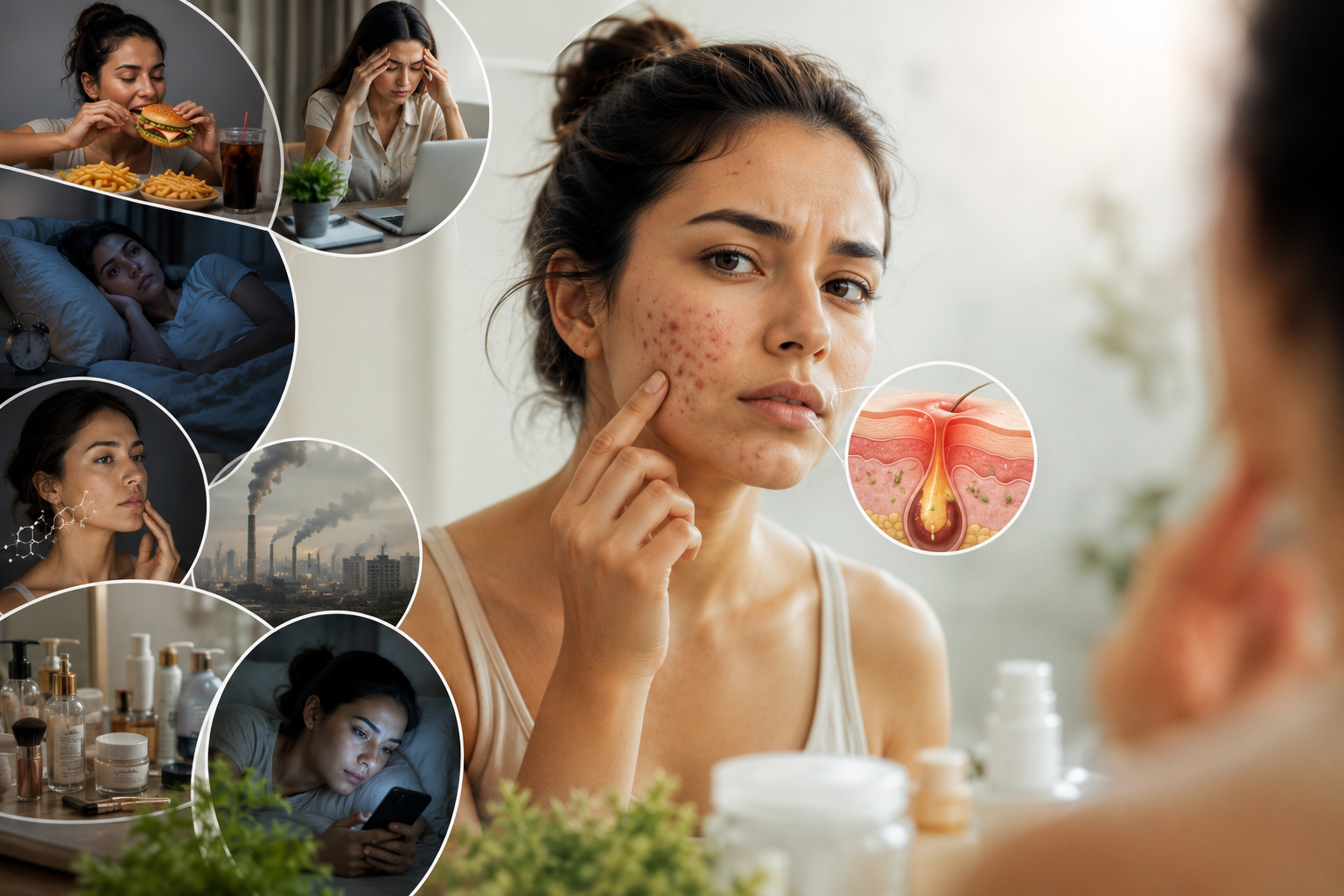
Stress is a natural part of life, but when it becomes chronic, it can impact more than just your mental well-being. It may also affect your skin. Many people notice that skin problems such as acne, eczema, psoriasis, or unexplained rashes seem to worsen during stressful periods.
While stress may not directly cause every skin condition, it can trigger flare-ups or make existing skin concerns more difficult to manage. Understanding the connection between stress and skin health can help you take steps toward maintaining healthier skin.
How Does Stress Affect the Skin?
When you're under stress, your body releases hormones such as cortisol and adrenaline. Elevated cortisol levels can influence oil production, inflammation, and the skin's natural protective barrier.
These changes may contribute to:
- Increased oil production
- Acne breakouts
- Skin irritation
- Dryness and sensitivity
- Slower wound healing
- Flare-ups of existing skin conditions
Managing stress can therefore be an important part of supporting overall skin health.
Common Skin Conditions Linked to Stress
1. Acne
Stress may increase the production of sebum (skin oil), which can contribute to clogged pores and acne breakouts, especially in teenagers and young adults.
2. Eczema (Atopic Dermatitis)
People living with eczema often notice that stress can trigger itching, redness, and inflammation, making symptoms more uncomfortable.
3. Psoriasis
Although psoriasis has multiple contributing factors, emotional stress is recognized as one of the common triggers for flare-ups in some individuals.
4. Rosacea
Stress may contribute to facial redness and flushing in people who have rosacea.
5. Hives (Urticaria)
Some individuals experience stress-related hives or itchy skin as part of the body's response to emotional pressure.
Signs That Stress May Be Affecting Your Skin
You may notice:
- Frequent acne breakouts
- Increased itching
- Dry or flaky skin
- Sudden skin redness
- Delayed healing of minor cuts
- Worsening of existing skin conditions
- Increased skin sensitivity
If these symptoms persist or worsen, consult a qualified healthcare professional or dermatologist.
The Skin–Mind Connection
The skin and nervous system are closely connected. During periods of emotional stress, the body can release inflammatory substances that affect the skin's normal function.
This is why many people experience noticeable skin changes during:
- Examination periods
- Work-related stress
- Family or relationship problems
- Lack of sleep
- Major life changes
Supporting both mental well-being and skin care may help improve overall health.
Tips to Reduce Stress and Support Healthy Skin
Get Enough Sleep
Aim for 7–9 hours of quality sleep each night to support your body's natural repair processes.
Eat a Balanced Diet
Include plenty of fruits, vegetables, whole grains, lean proteins, and healthy fats to provide nutrients that support skin health.
Stay Hydrated
Drinking enough water helps maintain healthy skin hydration and supports overall wellness.
Exercise Regularly
Physical activity can help reduce stress and promote healthy circulation.
Practice Relaxation Techniques
Activities such as meditation, deep breathing, yoga, or mindfulness may help reduce stress levels.
Follow a Gentle Skincare Routine
- Cleanse your skin twice daily.
- Use a moisturizer suitable for your skin type.
- Apply sunscreen every day.
- Avoid harsh products that may irritate the skin.
Can Lifestyle Changes Help?
Healthy lifestyle habits may help reduce stress and support skin health over time. Consider:
- Maintaining a regular sleep schedule
- Limiting smoking and alcohol consumption
- Spending time outdoors safely
- Staying physically active
- Talking with friends, family, or a mental health professional when feeling overwhelmed
While these habits may not cure skin conditions, they can contribute to overall well-being.
When Should You Seek Medical Advice?
You should consult a healthcare professional if you experience:
- Severe or painful acne
- Persistent eczema or psoriasis flare-ups
- Skin infections
- Rapidly spreading rashes
- Persistent itching without a clear cause
- Skin problems that do not improve with basic care
Early evaluation can help determine the underlying cause and guide appropriate treatment.
Frequently Asked Questions (FAQs)
Can stress cause acne?
Stress does not directly cause acne, but it may worsen existing acne by increasing oil production and inflammation.
Can stress make eczema worse?
Yes. Many people with eczema report that stress can trigger or worsen flare-ups.
Can reducing stress improve skin health?
Managing stress may help reduce flare-ups in some individuals and support overall skin health as part of a healthy lifestyle.
Does lack of sleep affect the skin?
Yes. Poor sleep may contribute to dull skin, slower healing, and increased stress, which can indirectly affect skin health.
Should I see a doctor if my skin problems worsen during stressful periods?
Yes. If symptoms are persistent, severe, or interfere with daily life, consult a qualified healthcare professional or dermatologist for evaluation and personalized advice.
Final Thoughts
Stress and skin health are closely connected. While stress alone is not the cause of every skin condition, it can influence inflammation, oil production, and the skin's natural barrier, potentially worsening existing concerns such as acne, eczema, or psoriasis.
Adopting healthy lifestyle habits, managing stress effectively, and following a consistent skincare routine can help support healthier skin. If you notice ongoing or severe skin problems, seek professional medical advice for an accurate diagnosis and appropriate care.
Disclaimer: This article is for educational purposes only and should not be considered medical advice. Always consult a qualified healthcare professional for diagnosis and treatment of skin conditions.