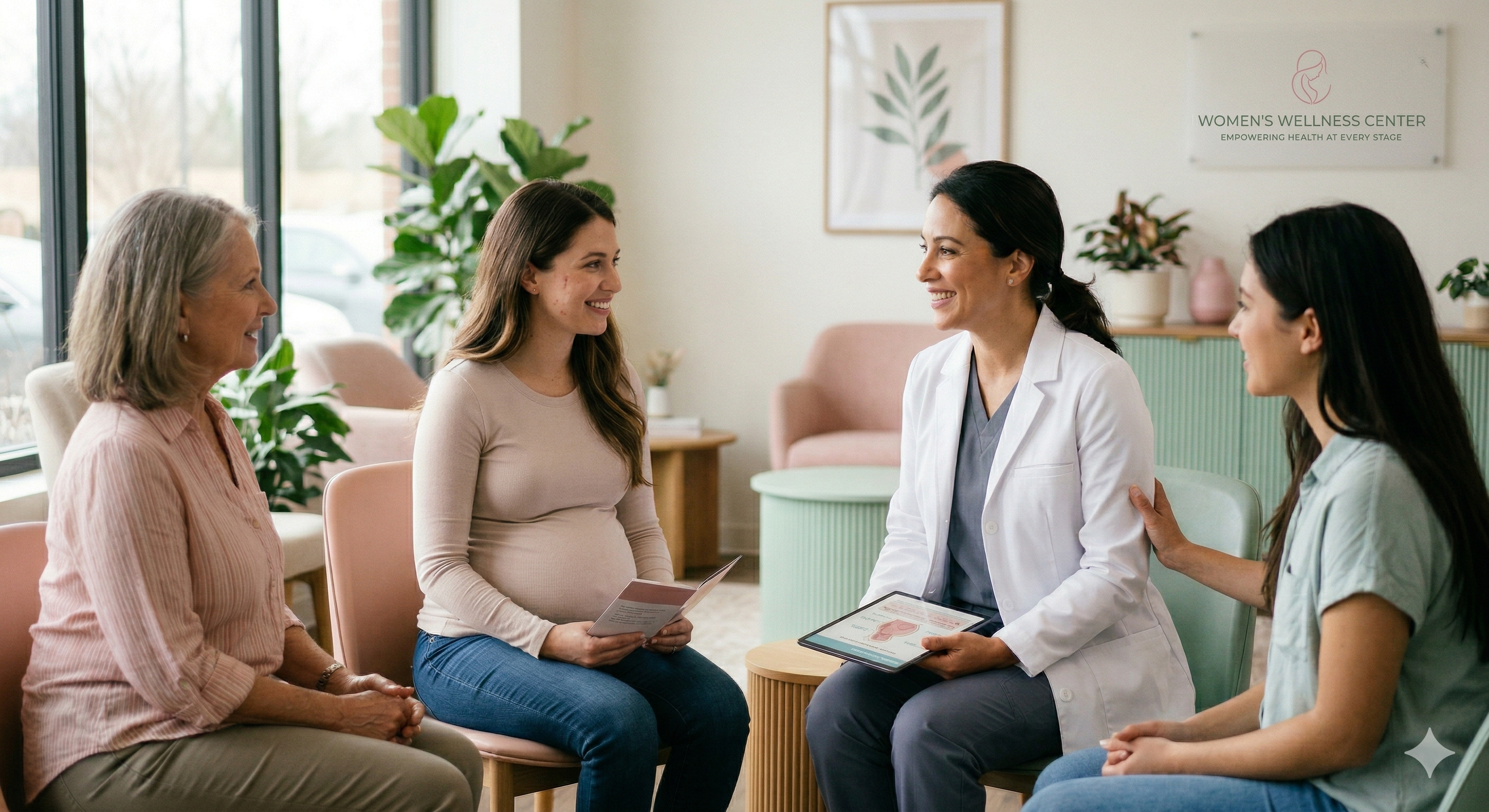
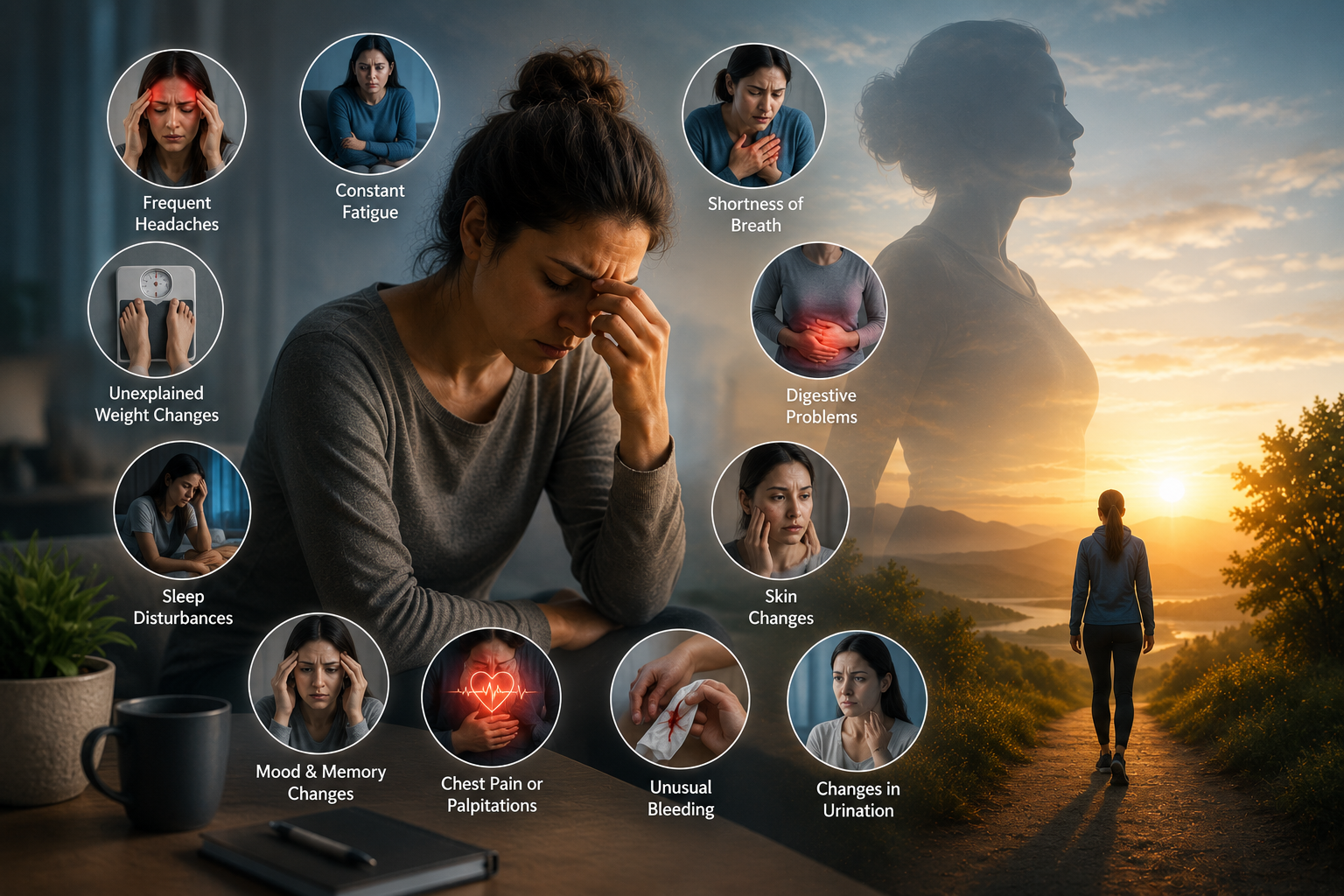
Endometriosis: Understanding Symptoms and When to Seek Medical Advice
Endometriosis is a chronic condition in which tissue similar to the lining of the uterus grows outside the uterus. It most commonly affects areas within the pelvis, including around the ovaries, fallopian tubes, and pelvic lining, although it can sometimes occur elsewhere in the body. The condition can cause inflammation, pain, scar tissue, and other symptoms that may significantly affect daily life.
Endometriosis is relatively common. The World Health Organization estimates that it affects about 10% of women of reproductive age worldwide, or approximately 190 million people.
Understanding the warning signs and seeking appropriate medical advice can help people receive support sooner.
What Is Endometriosis?
Endometriosis occurs when tissue similar to the endometrium—the tissue that normally lines the inside of the uterus—is found outside the uterus. This tissue can respond to hormonal changes during the menstrual cycle, contributing to inflammation and the development of scar tissue or adhesions.
The condition can affect people differently. Some individuals have significant symptoms, while others may have few or no noticeable symptoms. Because symptoms can resemble other conditions, diagnosis may sometimes take time.
Common Symptoms of Endometriosis
1. Severe Period Pain
Painful periods are one of the most recognized symptoms of endometriosis. The pain may be severe enough to interfere with school, work, exercise, relationships, or everyday activities.
Although mild menstrual discomfort can occur normally, severe or worsening period pain should not simply be dismissed as something that must be endured.
2. Chronic Pelvic Pain
Some people experience pelvic or lower abdominal pain that continues beyond their menstrual period. Pain may also occur in the lower back or other parts of the pelvic region.
3. Heavy Menstrual Bleeding
Heavy periods can occur with endometriosis. Very heavy bleeding may also contribute to tiredness and, in some cases, iron deficiency.
4. Pain During or After Sex
Endometriosis may cause pain during or after sexual intercourse. This can affect intimacy and emotional well-being and should be discussed with a healthcare professional if it is persistent or troubling.
5. Pain During Bowel Movements or Urination
Some people experience pain when passing stool or urinating, particularly around their menstrual period. Endometriosis can sometimes involve areas around the bowel or bladder.
6. Digestive Symptoms
Bloating, nausea, abdominal discomfort, and other digestive symptoms may occur. Because similar symptoms can be caused by conditions such as irritable bowel syndrome, proper medical evaluation is important.
7. Fatigue
Persistent tiredness can occur in people living with endometriosis. Pain, heavy menstrual bleeding, sleep disruption, and the emotional effects of living with a chronic condition may all contribute to reduced energy.
8. Difficulty Becoming Pregnant
Endometriosis can be associated with infertility or difficulty conceiving. However, having endometriosis does not mean that pregnancy is impossible. Fertility options can be discussed with a qualified healthcare professional when needed.
Why Can Endometriosis Be Difficult to Recognize?
Endometriosis symptoms vary considerably from one person to another. Some symptoms can also resemble other conditions, including adenomyosis, fibroids, pelvic inflammatory disease, and irritable bowel syndrome.
Another challenge is that severe menstrual pain is sometimes normalized. Pain that repeatedly interferes with everyday activities deserves attention rather than being automatically considered a normal part of having periods.
Keeping a record of symptoms can be useful. Consider noting:
- When pelvic pain occurs
- How severe the pain is
- How long the pain lasts
- Menstrual bleeding patterns
- Digestive or urinary symptoms
- Pain during or after sex
- Fatigue and sleep problems
- Any medications or treatments already tried
Sharing this information with a healthcare professional can help provide a clearer picture of the symptoms.
How Is Endometriosis Diagnosed?
A healthcare professional may begin by asking about menstrual history, pain, bleeding, fertility, family history, and other symptoms. Depending on the situation, a physical examination and further investigations may be recommended.
Diagnostic evaluation may include imaging such as an ultrasound or MRI. In some situations, laparoscopy may be used to directly examine the pelvic area and potentially remove endometriosis lesions or scar tissue. Surgery is not necessarily required before treatment can begin in every case.
Because diagnosis can sometimes be delayed, persistent symptoms should be discussed with a healthcare professional rather than repeatedly self-treating without evaluation.
Treatment Options
There is currently no definitive cure for endometriosis, but treatments can help control symptoms and improve quality of life. The appropriate approach depends on the severity of symptoms, individual preferences, possible side effects, long-term considerations, and whether pregnancy is desired.
Depending on the individual situation, treatment may include:
- Pain-relieving medicines
- Hormonal treatments
- Surgical treatment
- Fertility treatment when appropriate
- Pelvic-floor or other supportive therapies
- Multidisciplinary pain-management approaches
A healthcare professional can help determine which options are appropriate.
Lifestyle Habits That May Support Overall Well-Being
Lifestyle habits cannot cure endometriosis, but they may contribute to general health and help some people cope with symptoms.
Maintain a Balanced Diet
Eating a varied diet containing vegetables, fruits, whole grains, legumes, protein sources, and healthy fats can support overall nutrition.
If heavy menstrual bleeding or dietary restrictions raise concerns about iron intake, discuss appropriate nutritional evaluation with a healthcare professional.
Stay Physically Active
Gentle or moderate physical activity can support general fitness, mood, and overall health. Walking, swimming, stretching, yoga, or other comfortable activities may be suitable depending on symptoms.
During periods of severe pain, listen to your body and avoid activities that worsen symptoms.
Prioritize Sleep
Chronic pain can interfere with sleep and contribute to fatigue. Maintaining a consistent sleep schedule and creating a comfortable bedtime routine may support better rest.
Manage Stress
Living with persistent pain can be emotionally challenging. Relaxation exercises, mindfulness, breathing exercises, hobbies, supportive relationships, and professional counseling may help with emotional well-being.
Lifestyle measures should complement—not replace—appropriate medical care.
When Should You Seek Medical Advice?
You should consider speaking with a healthcare professional if you experience:
- Severe period pain that interferes with daily activities
- Persistent pelvic or lower abdominal pain
- Very heavy or unusual menstrual bleeding
- Pain during or after sexual intercourse
- Pain when passing stool or urinating
- Persistent bloating or digestive symptoms associated with your menstrual cycle
- Ongoing unexplained fatigue
- Difficulty becoming pregnant
- Symptoms that are getting worse over time
- Symptoms that continue despite previous treatment
The NHS specifically recommends seeking medical advice when symptoms affect everyday life, work, relationships, or do not improve or become worse after treatment.
Can Homeopathy Help With Endometriosis?
Some people consider homeopathy as a complementary approach to managing health concerns. However, there is currently insufficient reliable scientific evidence to establish homeopathy as an effective treatment for endometriosis or to remove endometriosis lesions.
People with suspected or diagnosed endometriosis should receive appropriate medical evaluation and should not replace evidence-based treatment with homeopathy. Anyone considering complementary care should discuss it with a qualified healthcare professional, particularly when taking medication or trying to become pregnant.
Emotional Well-Being Matters Too
Endometriosis can affect more than physical health. Persistent pain, fertility concerns, changes in relationships, fatigue, and difficulties with work or daily activities can contribute to anxiety, low mood, or emotional distress.
Seeking emotional support is not a sign of weakness. Talking with trusted family members, support groups, counselors, or healthcare professionals can be an important part of living well with a chronic condition.
Conclusion
Endometriosis is a chronic condition that can cause severe period pain, pelvic pain, heavy bleeding, digestive or urinary symptoms, fatigue, pain during sex, and difficulty becoming pregnant. Because symptoms can overlap with other conditions, proper evaluation is important.
Severe menstrual pain should not simply be accepted as normal. If pain or other symptoms repeatedly interfere with everyday life, speak with a qualified healthcare professional. Early attention, appropriate diagnosis, individualized treatment, and supportive lifestyle habits can help people manage symptoms and protect their overall quality of life.
This article is intended for general educational purposes only and should not be considered a substitute for professional medical diagnosis, treatment, or personalized healthcare advice.