Endometriosis: When Severe Period Pain Is More Than Just Menstrual Cramps
Introduction
Many women experience menstrual cramps during their periods. While mild discomfort can be a normal part of menstruation, severe or recurring pelvic pain should never be ignored.
Sometimes, intense period pain may be associated with a condition called endometriosis. It is a chronic condition that can affect reproductive health, daily activities, emotional well-being and, in some cases, fertility.
Unfortunately, many women consider severe menstrual pain normal and delay seeking medical advice. Understanding the symptoms and recognizing early warning signs can help women seek appropriate medical attention.
What Is Endometriosis?
Endometriosis is a condition in which tissue similar to the lining of the uterus grows outside the uterus. These growths may develop around the ovaries, fallopian tubes and other areas within the pelvis.
This tissue can respond to hormonal changes during the menstrual cycle, potentially causing inflammation, irritation, pain and scar tissue formation.
Endometriosis is a chronic condition that can affect women from their first menstrual period through menopause.
According to the World Health Organization, approximately 10% of women and girls of reproductive age worldwide are affected by endometriosis.
Common Symptoms of Endometriosis
Symptoms can vary significantly from one woman to another. Some women experience severe discomfort, while others may have very few noticeable symptoms.
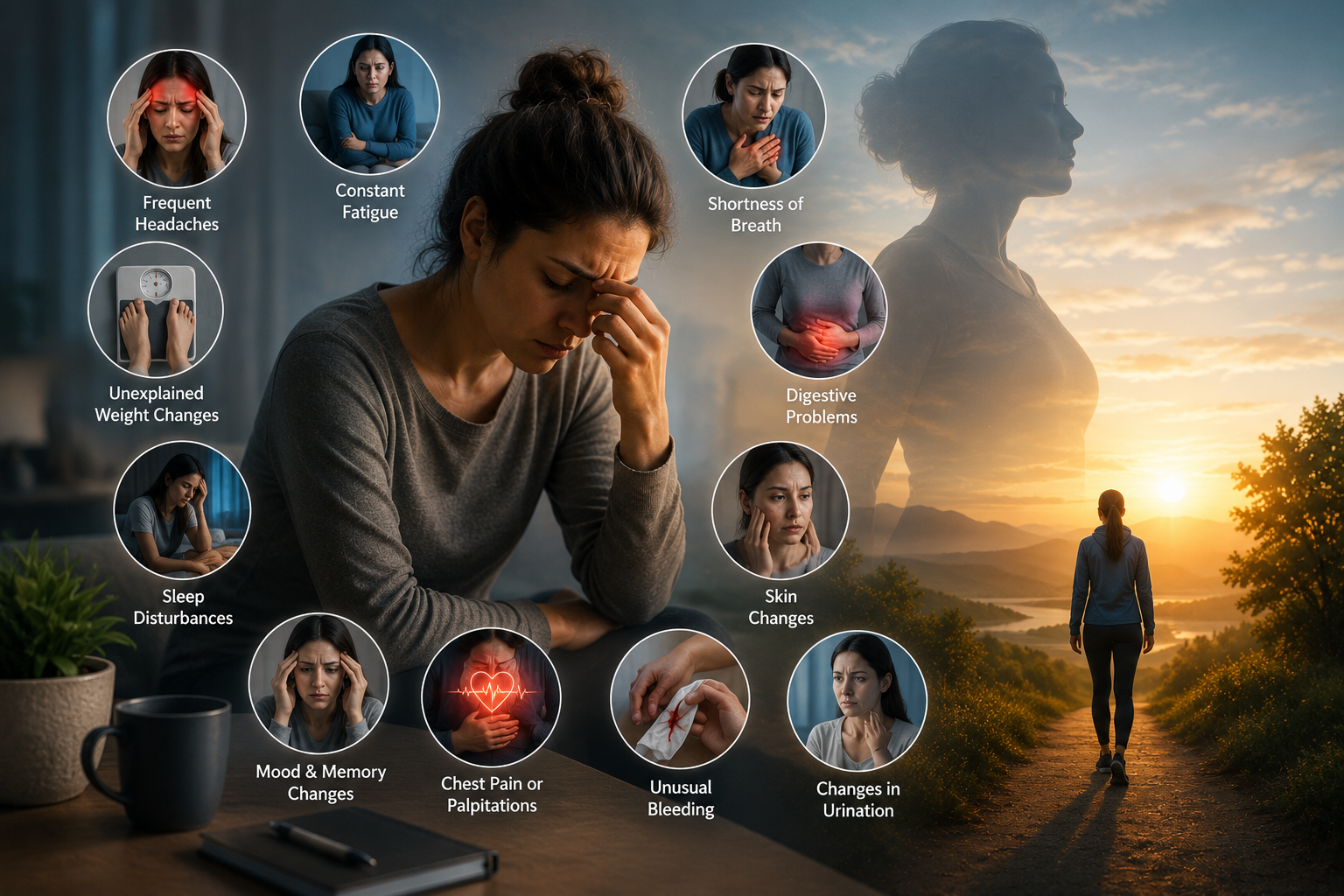
Common warning signs include:
1. Severe Menstrual Pain
Painful periods that interfere with daily activities, work or studies may require medical evaluation.
2. Chronic Pelvic Pain
Some women experience pelvic discomfort even when they are not menstruating.
3. Pain During or After Intercourse
Deep pelvic pain during or after sexual intercourse can sometimes be associated with endometriosis.
4. Digestive Discomfort
Bloating, constipation, diarrhoea, nausea or painful bowel movements may occur, particularly around menstruation.
5. Heavy or Irregular Bleeding
Some women experience heavy menstrual bleeding or spotting between periods.
6. Difficulty Conceiving
Endometriosis can affect fertility in some women, although many women with the condition can conceive naturally.
What Causes Endometriosis?
The exact cause of endometriosis is not fully understood. Researchers continue to investigate several possible biological and genetic factors.
Some factors associated with the condition include:
Family history of endometriosis.
Changes in immune system function.
Hormonal influences.
Biological and genetic factors.
Having a family history may increase the likelihood of developing the condition, but it does not mean that every woman in the family will develop it.
How Is Endometriosis Diagnosed?
Early medical evaluation is important when menstrual pain becomes severe or starts affecting everyday life.
A healthcare professional may recommend:
1. Medical History: Discussion about menstrual cycles, pain patterns, family history and other symptoms.
2. Physical Examination: An examination may help identify pelvic tenderness or other abnormalities.
3. Ultrasound: Imaging can help identify ovarian endometriomas and certain forms of endometriosis.
4. MRI: In selected cases, MRI may help assess the extent of deeper endometriosis.
5. Laparoscopy: A surgical procedure that may be used to identify endometriosis directly.
A normal ultrasound does not always rule out endometriosis. A specialist may recommend further evaluation based on symptoms.
Available Treatment and Management Options
There is currently no definitive cure for endometriosis, but several medical approaches can help manage symptoms and improve quality of life.
Depending on individual circumstances, treatment may include:
Pain-relieving medication.
Hormonal treatment.
Surgical management in selected cases.
Fertility-related treatment when required.
Supportive pain management and lifestyle measures.
Treatment decisions should be made with a qualified gynaecologist, considering symptom severity, medical history and pregnancy plans.
Lifestyle Habits That Support Overall Reproductive Health
Lifestyle habits cannot cure endometriosis, but healthy routines may support general well-being.
Consider the following:
Maintain a balanced and nutritious diet.
Include appropriate physical activity.
Maintain consistent sleep habits.
Manage stress through relaxation techniques.
Track menstrual symptoms and pain patterns.
Attend recommended medical check-ups.
Keeping a menstrual health diary can help doctors understand the timing, severity and frequency of symptoms.
When Should You Consult a Doctor?
Do not ignore menstrual pain that:
Prevents you from attending work or school.
Becomes progressively more severe.
Continues outside your menstrual cycle.
Is accompanied by painful bowel movements or urination.
Interferes with sexual activity.
Is associated with difficulty conceiving.
Seek urgent medical attention for sudden severe pelvic pain, fainting, heavy bleeding or other alarming symptoms.
Final Thoughts
Endometriosis is more than just painful periods. It is a chronic health condition that deserves awareness, proper medical evaluation and individualized care.
Women should not feel that they must tolerate severe menstrual pain as a normal part of life. Recognizing symptoms, seeking timely medical advice and understanding available treatment options can make an important difference.
At Care & Cure Homeopathy, we believe that women's health deserves compassionate attention and individualized care. Our goal is to encourage awareness and help women make informed decisions about their health.
Important Medical Disclaimer: This article is intended for educational purposes only. It does not replace professional medical diagnosis or treatment. Homeopathic treatment has not been established by reliable scientific evidence as an effective treatment for endometriosis. Consult a qualified gynaecologist for appropriate evaluation and evidence-based treatment.
Care & Cure Homeopathy
Empowering Women Through Personalized Healthcare.