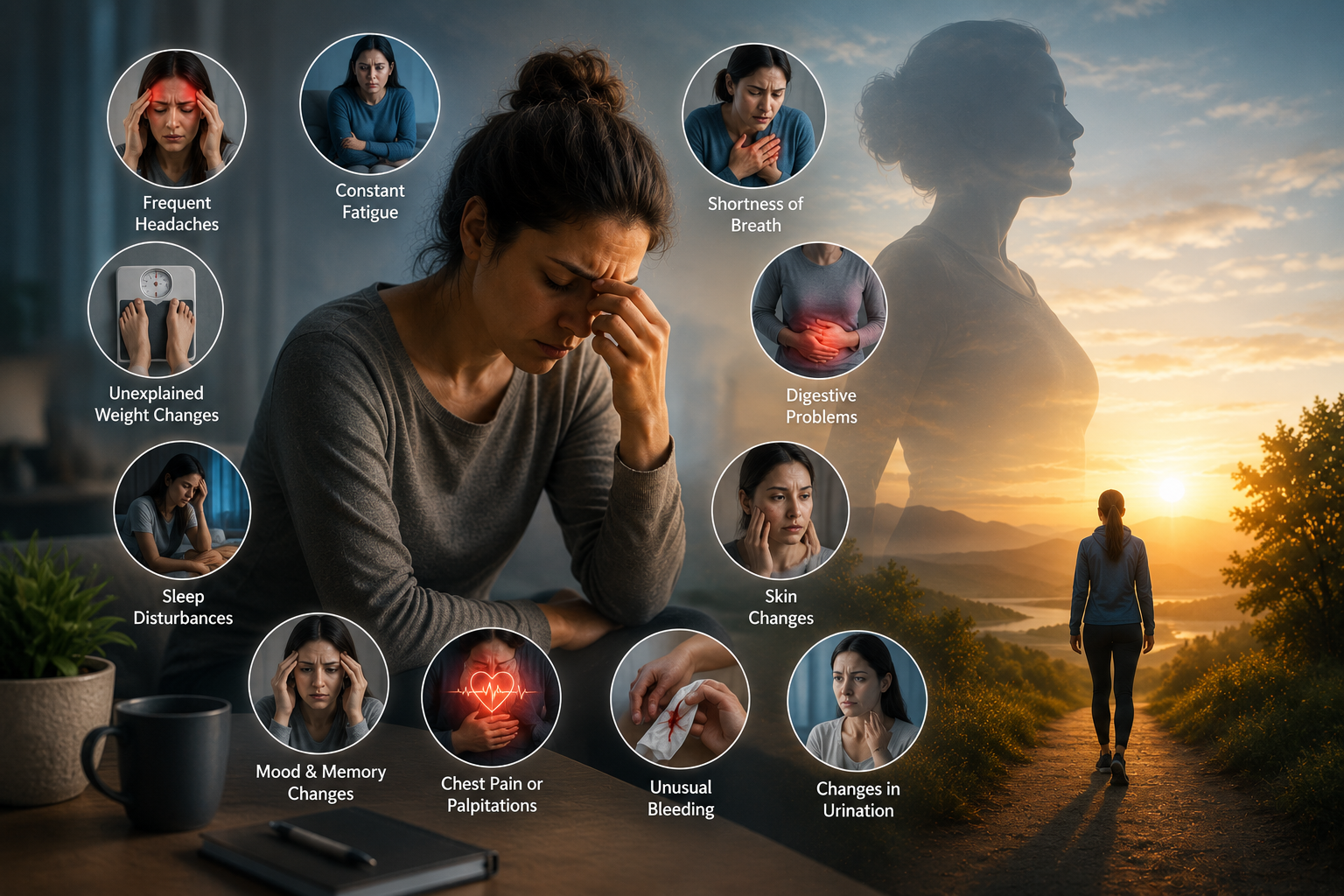
Feeling Irritable for No Reason? How Hormonal Changes Can Affect Your Mood
Have you ever found yourself becoming unusually irritated, emotional, impatient, or overwhelmed just before your period, even when nothing particularly stressful has happened?
You may wonder, "Why am I feeling like this?"
For many women, changes in mood around the menstrual cycle are real and can be connected to normal hormonal fluctuations. Estrogen and progesterone levels change throughout the cycle, and these changes can influence mood, energy, sleep, appetite, and emotional well-being.
That doesn't mean every mood change is caused by hormones. Stress, lack of sleep, relationships, work pressure, mental health, and other factors can all affect how you feel. But if irritability follows a predictable pattern every month, your menstrual cycle may be part of the explanation.
Why Do Hormones Affect Your Mood?
Your reproductive hormones don't work only on the reproductive system. Hormonal changes throughout the menstrual cycle can affect the brain and emotional functioning as well.
After ovulation, estrogen and progesterone change during the second half of the cycle. If pregnancy doesn't occur, these hormones fall before menstruation begins. These changes are thought to contribute to PMS symptoms in some women.
Some women are more sensitive to these hormonal shifts than others.
This is why two women can experience very different emotional symptoms during the same stage of their cycles.
Why Do You Feel More Irritable Before Your Period?
Irritability is one of the commonly reported emotional symptoms of premenstrual syndrome (PMS).
PMS can occur in the days or weeks before your period and may include:
- Irritability
- Mood swings
- Anxiety
- Feeling tense
- Sadness
- Crying spells
- Fatigue
- Difficulty concentrating
- Sleep problems
- Food cravings
More than 90% of women report experiencing at least some premenstrual symptoms at some point, although the severity varies considerably.
For some women, irritability may be one of the most noticeable symptoms.
It's Not Just About "Hormone Levels"
It's easy to say, "My hormones are making me angry," but the biology is more complicated.
Hormonal fluctuations may affect brain signaling and how sensitive some women are to changes occurring during the menstrual cycle. Serotonin, a chemical involved in mood regulation, is also thought to play a role in PMS and PMDD.
The important point is that having PMS doesn't mean your hormones are necessarily abnormal.
Your hormone levels may be changing normally, while your body and brain are particularly sensitive to those changes.
Poor Sleep Can Make Irritability Worse
Hormonal changes aren't the only reason you may feel more short-tempered before your period.
PMS can also affect sleep. Some women experience difficulty falling asleep, waking during the night, or changes in how rested they feel.
And when you're already tired, small problems can feel much bigger.
Poor sleep can make PMS-related moodiness worse, creating a cycle where hormonal symptoms interfere with sleep and lack of sleep makes emotional symptoms harder to manage.
This is why getting enough rest can be an important part of managing premenstrual mood changes.
Stress and Hormones Can Work Together
Stress can also make premenstrual symptoms more noticeable.
When you're already dealing with work pressure, family responsibilities, financial concerns, relationship problems, or other stressors, your ability to tolerate frustration may be lower.
The Office on Women's Health notes that PMS may occur more often in women experiencing high levels of stress.
This doesn't mean stress causes every hormonal mood change. Instead, stress and menstrual symptoms can overlap and make each other feel more difficult to manage.
Why Does Irritability Sometimes Feel Like It Comes Out of Nowhere?
One reason PMS can be confusing is that your mood may change even when there isn't an obvious external trigger.
You might notice that:
- Small things suddenly annoy you.
- You have less patience than usual.
- You feel emotionally overwhelmed.
- You become more sensitive to criticism.
- You argue more easily.
- You want to be left alone.
- You feel frustrated by things that normally wouldn't bother you.
If these changes repeatedly appear during the same part of your cycle and improve after your period begins, keeping track of the pattern can be useful.
Could It Be PMDD Instead of PMS?
For some women, mood changes before a period are much more severe.
Premenstrual dysphoric disorder (PMDD) is a more serious condition related to the menstrual cycle. It can cause severe irritability, anger, anxiety, depression, mood swings, difficulty concentrating, sleep problems and other symptoms during the premenstrual period.
PMDD affects up to about 5% of women of reproductive age.
The key difference isn't simply how "hormonal" you feel. It's how severe the symptoms are and how much they interfere with your daily life.
If you regularly feel unable to function normally, maintain relationships, work, study, or manage everyday responsibilities because of premenstrual mood symptoms, it's worth speaking with a healthcare professional.
What About Perimenopause?
Hormonal mood changes aren't limited to the years when periods are predictable.
During perimenopause, the transition toward menopause, hormone levels can fluctuate more unpredictably. Some women experience mood swings, irritability, sleep problems and changes in their menstrual cycle during this stage.
If you're noticing new mood changes together with irregular periods, hot flashes, sleep problems, or other changes, perimenopause may be worth discussing with your healthcare provider.
How Can You Manage Hormonal Irritability?
You don't necessarily need to completely change your life around your menstrual cycle. Small, consistent habits may help.
1. Track Your Symptoms
Keep a simple diary for several months.
Record:
- Period dates
- Irritability
- Mood changes
- Sleep quality
- Stress levels
- Food cravings
- Physical symptoms
Tracking can help you determine whether your symptoms actually follow your menstrual cycle. It can also provide useful information for your healthcare provider.
2. Prioritize Sleep
Aim for a consistent sleep schedule and enough sleep each night.
If you regularly sleep poorly before your period, pay particular attention to your evening routine during this phase.
3. Stay Physically Active
Regular aerobic physical activity may help with several PMS symptoms, including fatigue, difficulty concentrating, and mood-related symptoms.
You don't need an intense workout. Walking, cycling, swimming, yoga, or another activity you enjoy can be a practical option.
4. Eat Regular, Balanced Meals
Skipping meals can make fatigue, hunger and irritability harder to manage.
Try to include a combination of protein, complex carbohydrates, healthy fats, fruits and vegetables throughout the day.
5. Find Ways to Reduce Stress
Stress-management techniques can be useful for some women.
Consider:
- Deep breathing
- Meditation
- Gentle yoga
- Journaling
- Walking outdoors
- Spending time with supportive people
- Taking regular breaks from work
The goal isn't to eliminate stress completely. It's to give your mind and body opportunities to recover.
When Should You Talk to a Healthcare Professional?
Occasional irritability is normal. But persistent or severe mood changes deserve attention.
Consider speaking with a healthcare professional if:
- Irritability is affecting your relationships.
- Your mood changes interfere with work or studies.
- Symptoms occur every month and are becoming worse.
- You experience severe anxiety or depression before your period.
- You have significant sleep problems.
- You feel unable to control your emotions.
- You have symptoms that continue throughout the entire month.
It's also important to distinguish PMS from depression or anxiety. These conditions can overlap, and some mental health symptoms may become worse around the menstrual period.
Seek Immediate Help for Severe Emotional Symptoms
If premenstrual mood changes include thoughts of suicide, self-harm, or feeling that you cannot keep yourself safe, seek immediate professional help or emergency assistance.
Severe depression or suicidal thoughts can occur with PMDD and require urgent attention.
Your Mood Can Be a Clue, Not a Character Flaw
Feeling irritable before your period doesn't mean you're "overreacting" or that you're simply difficult to deal with.
Your menstrual cycle can influence your physical and emotional experience, and some women are particularly sensitive to hormonal changes.
At the same time, hormones aren't the only explanation. Sleep, stress, relationships, lifestyle, mental health and other health conditions can all contribute.
That's why recognizing patterns is more useful than blaming every difficult day on hormones.
Final Thoughts
If you regularly become more irritable, emotional, anxious, or overwhelmed before your period, there may be a connection between your mood and your menstrual cycle.
Hormonal fluctuations can influence the brain and may contribute to PMS symptoms, while sleep problems and stress can make those symptoms harder to manage.
The best first step is to pay attention to your pattern.
Track your symptoms, prioritize sleep, stay active, manage stress, and seek professional advice if your mood changes are severe or interfere with everyday life.
Your emotions are real, and understanding your menstrual cycle may help you understand them better.