Fungal Skin Infections: Symptoms, Causes, and Prevention
Fungal skin infections are common conditions that can cause itching, irritation, scaling, discolouration, and rashes. They often develop in warm, moist areas of the body, such as the feet, groin, skin folds, and areas where sweat accumulates.
Although many fungal skin infections are treatable, they can spread to other parts of the body or to other people if not managed properly. Recognising the early signs, understanding common causes, and following preventive skin-care habits can help reduce the risk of infection.
In this article, we explore the common types of fungal skin infections, their symptoms, possible risk factors, and practical ways to protect your skin.
What Are Fungal Skin Infections?
Fungal skin infections occur when certain fungi grow on the skin, hair, or nails. Some fungi thrive in warm, humid environments, especially where moisture remains on the skin for long periods.
One common group of fungal infections is dermatophytosis, often called ringworm or tinea. Despite its name, ringworm is caused by fungi, not worms. It may appear as an itchy, scaly rash that sometimes forms a ring-shaped pattern. The rash can look different depending on the affected body area and skin tone.
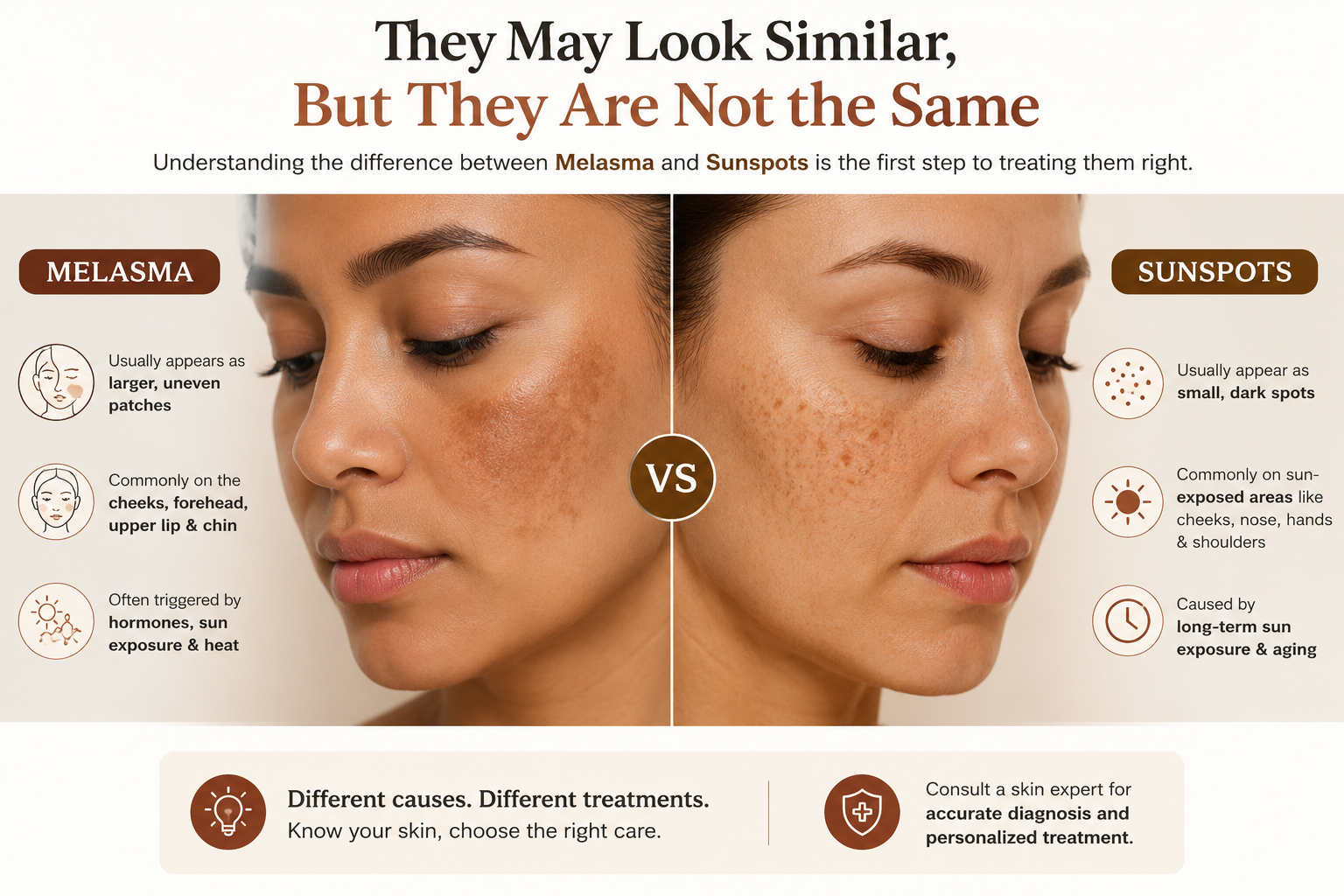
Not every itchy or circular rash is fungal. Eczema, psoriasis, bacterial infections, and other skin conditions may look similar, so an accurate diagnosis is important.
Common Types of Fungal Skin Infections
1. Ringworm of the Body
Ringworm of the body, medically known as tinea corporis, can affect areas such as the arms, legs, trunk, and face.
Common signs include:
Circular or oval patches that may gradually expand.
Itching and scaling.
A raised or more noticeable outer border.
A centre that may appear clearer or differently coloured.
The rash may appear red on lighter skin or brown, grey, purple, or darker than the surrounding skin on darker skin tones.
2. Athlete's Foot
Athlete's foot, or tinea pedis, usually affects the skin between the toes and sometimes the soles or sides of the feet.
Symptoms may include:
Itching or burning.
Peeling or flaky skin.
Cracks between the toes.
Redness, discolouration, or soreness.
Feet that remain damp inside tight shoes and socks may be more vulnerable to this infection.
3. Jock Itch
Jock itch, also called tinea cruris, commonly affects the groin and upper inner thighs.
Possible symptoms include itching, scaling, and a spreading rash with a more defined border. Sweating, tight clothing, and prolonged moisture can increase the risk.
Other conditions can affect the same area, so persistent or recurrent symptoms should be assessed by a healthcare professional.
4. Scalp Ringworm
Scalp ringworm, known as tinea capitis, affects the scalp and hair follicles. It is more common in children but can affect adults.
Signs may include:
Scaly patches on the scalp.
Itching or tenderness.
Broken hairs or patches of hair loss.
Sometimes swelling or crusting.
Scalp ringworm usually requires prescription treatment taken by mouth because creams alone generally cannot treat the infection effectively within the hair follicles. Early assessment is important to reduce the risk of lasting hair loss. <Cite refs={["turn516501search1","turn516501search10"]}/>
5. Fungal Nail Infections
Fungi can also infect fingernails and toenails.
Possible signs include:
Yellowish, white, or brown nail discolouration.
Thickened nails.
Brittle, crumbly, or distorted nail edges.
Separation of the nail from the nail bed.
Nail changes can have causes other than fungal infection. Testing or examination may be needed before starting treatment.
6. Fungal Infections in Skin Folds
Certain fungal or yeast-related conditions can affect areas where skin touches skin, such as beneath the breasts, in the groin, or between folds of the abdomen.
The affected area may become irritated, itchy, moist, or discoloured. Because several conditions can look alike in skin folds, persistent symptoms should be assessed rather than treated on appearance alone.
Common Symptoms of Fungal Skin Infections
Symptoms depend on the type of fungus and the part of the body affected.
Common signs include:
Itching or irritation.
Dry, flaky, or scaly patches.
Circular or spreading rashes.
Cracked skin, particularly between the toes.
Redness or changes in skin colour.
Burning or discomfort.
Changes in nail colour, thickness, or shape.
Broken hairs or patches of hair loss when the scalp is affected.
Fungal infections may spread gradually, and scratching can further irritate the skin. However, symptoms alone cannot always confirm a fungal infection.
What Causes Fungal Skin Infections?
Fungal skin infections develop when fungi grow on or within susceptible skin, hair, or nails. Several factors can increase the likelihood of infection.
1. Warm and Humid Weather
Warm, humid conditions can encourage fungal growth, particularly when sweat remains on the skin. People living in hot or humid climates may need to take extra care to keep skin folds and feet dry.
2. Excessive Sweating
Sweating during exercise, outdoor activities, or everyday work can leave the skin damp. Wearing sweaty clothes or shoes for extended periods may increase the risk of certain fungal infections.
3. Sharing Personal Items
Fungal infections can spread through contaminated towels, clothing, bedding, footwear, combs, and other personal items.
Avoid sharing items that come into contact with the skin or hair, especially when someone has a suspected or confirmed infection.
4. Contact With Infected People or Animals
Some fungal infections spread through direct skin contact with an infected person or animal. Pets, including cats and dogs, can sometimes carry fungi that cause ringworm.
Wash your hands after handling animals, and seek veterinary advice if a pet develops suspicious patches of hair loss or skin lesions.
5. Walking Barefoot in Shared Wet Areas
Public showers, changing rooms, swimming-pool areas, and locker rooms may contain contaminated surfaces.
Wearing suitable sandals or protective footwear in these places can help reduce exposure.
6. Tight Clothing and Footwear
Clothing and shoes that trap heat and moisture may encourage fungal growth. Tight garments can also increase friction and irritation.
Choose breathable clothing and footwear where possible, and change out of damp clothes after exercise.
7. Certain Health Conditions
People with weakened immune systems or certain health conditions may be more susceptible to some fungal infections or experience more complicated infections.
If you have diabetes, circulation problems, or reduced immunity, seek medical advice early when a suspected fungal infection develops.
How to Prevent Fungal Skin Infections
Good hygiene and moisture management can reduce the risk of many fungal skin infections.
1. Keep Your Skin Clean and Dry
Wash regularly and gently dry the skin, especially between the toes, in the groin, and within skin folds.
Avoid vigorous rubbing, which can irritate the skin.
2. Change Damp Clothes Promptly
After exercise or heavy sweating, change into clean, dry clothing. Do not remain in wet socks, underwear, or sportswear longer than necessary.
3. Avoid Sharing Personal Items
Use your own towels, clothing, socks, shoes, combs, and other personal items. Wash towels and clothes regularly, following their care instructions.
4. Wear Breathable Clothing and Footwear
Choose clothing that allows airflow and footwear that helps keep your feet dry. Change socks daily or more often when they become damp.
Allow shoes to dry completely before wearing them again when possible.
5. Use Footwear in Public Showers
Wear sandals or protective footwear in communal showers, changing rooms, and other damp shared areas.
6. Avoid Scratching Affected Areas
Scratching can damage the skin and may spread infection to other areas. Keep fingernails clean and short, and avoid touching or scratching the rash unnecessarily.
Wash your hands after applying treatment or touching an affected area.
7. Clean Shared Equipment and Surfaces
Clean exercise equipment and other frequently touched surfaces as appropriate. Do not share towels or sports gear that comes into direct contact with the skin.
8. Seek Early Medical Advice
If a rash continues to spread, returns repeatedly, or does not improve with appropriate treatment, consult a healthcare professional. Early assessment can help identify the cause and reduce the chance of complications.
Treatment for Fungal Skin Infections
Treatment depends on the location, extent, and type of infection.
Antifungal Creams and Other Topical Treatments
Many uncomplicated fungal infections affecting the skin can be treated with antifungal creams, gels, or other topical products. Common medicines include clotrimazole and terbinafine, depending on the infection and product.
Use the treatment as directed by a healthcare professional or the product instructions, and complete the recommended course. Stopping too early may allow the infection to return.
Oral Antifungal Medicines
Some infections require prescription tablets or other oral medication. This may be necessary for scalp ringworm, certain nail infections, severe or widespread infections, or infections that do not respond to appropriate topical treatment.
Oral antifungal medicines can have side effects and interactions, so they should be used under medical supervision.
Avoid Unsupervised Steroid Combination Creams
Do not use steroid creams or combination creams containing steroids to treat a suspected fungal infection unless a qualified healthcare professional specifically recommends them.
Steroids can temporarily reduce redness or itching while allowing some fungal infections to worsen or become harder to recognise. Incorrect treatment can delay recovery.
Why Correct Diagnosis Matters
Other skin conditions can resemble fungal infections. A healthcare professional may examine the affected area or collect a small skin scraping or nail sample when needed.
Correct identification helps ensure that the treatment is appropriate. Antifungal resistance is also an emerging concern, making proper assessment particularly important when infections persist or worsen. <Cite refs={["turn516501search4","turn516501search2"]}/>
When Should You See a Doctor?
Seek medical advice if:
The rash spreads rapidly or covers a large area.
The skin becomes increasingly painful, swollen, warm, or develops pus.
You develop fever or feel unwell.
The scalp develops swelling, crusting, or patches of hair loss.
The infection affects the nails and causes significant discomfort.
The rash is on the face, near the eyes, or in a sensitive area and the cause is unclear.
Symptoms do not improve with appropriate treatment or repeatedly return.
You have diabetes, reduced immunity, or another condition that increases the risk of complications.
Seek urgent medical attention if you experience rapidly worsening symptoms, severe pain, or signs of a spreading skin infection.
Frequently Asked Questions
1. Are fungal skin infections contagious?
Some fungal skin infections, including ringworm, can spread through direct contact with infected people or animals, contaminated objects, or shared surfaces.
2. Can fungal infections develop in hot weather?
Yes. Warm, humid conditions and prolonged moisture can favour fungal growth. Keeping skin dry, changing damp clothes, and wearing breathable footwear can help reduce risk.
3. Can a fungal skin infection disappear without treatment?
Some mild rashes may improve, but many fungal infections require appropriate antifungal treatment. Delaying treatment may allow the infection to spread or persist.
4. Is every itchy rash a fungal infection?
No. Eczema, allergic reactions, psoriasis, and other skin conditions can cause itching and scaling. A healthcare professional can help determine the cause.
5. Can I use home remedies to treat a fungal infection?
Home remedies have limited evidence for reliably curing fungal skin infections. Some substances can irritate the skin or delay effective treatment. Seek advice about an appropriate antifungal medicine instead.
6. Can fungal skin infections come back?
Yes. Reinfection can occur through contaminated items, infected contacts, persistent moisture, or incomplete treatment. Following the recommended treatment course and maintaining good hygiene may help reduce recurrence.
Conclusion
Fungal skin infections can cause itching, scaling, discolouration, and discomfort, particularly in warm and moist areas of the body. Recognising common symptoms, keeping skin dry, avoiding shared personal items, and using suitable footwear in communal wet areas can help reduce the risk.
Because fungal infections can resemble other skin conditions, avoid relying on appearance alone or using unsuitable creams. Seek professional advice when symptoms persist, spread, or become severe so that the underlying cause can be identified and treated appropriately.
Medical disclaimer: This article is for general educational purposes only and does not replace professional medical advice, diagnosis, or treatment. Consult a qualified healthcare professional for personalised guidance.