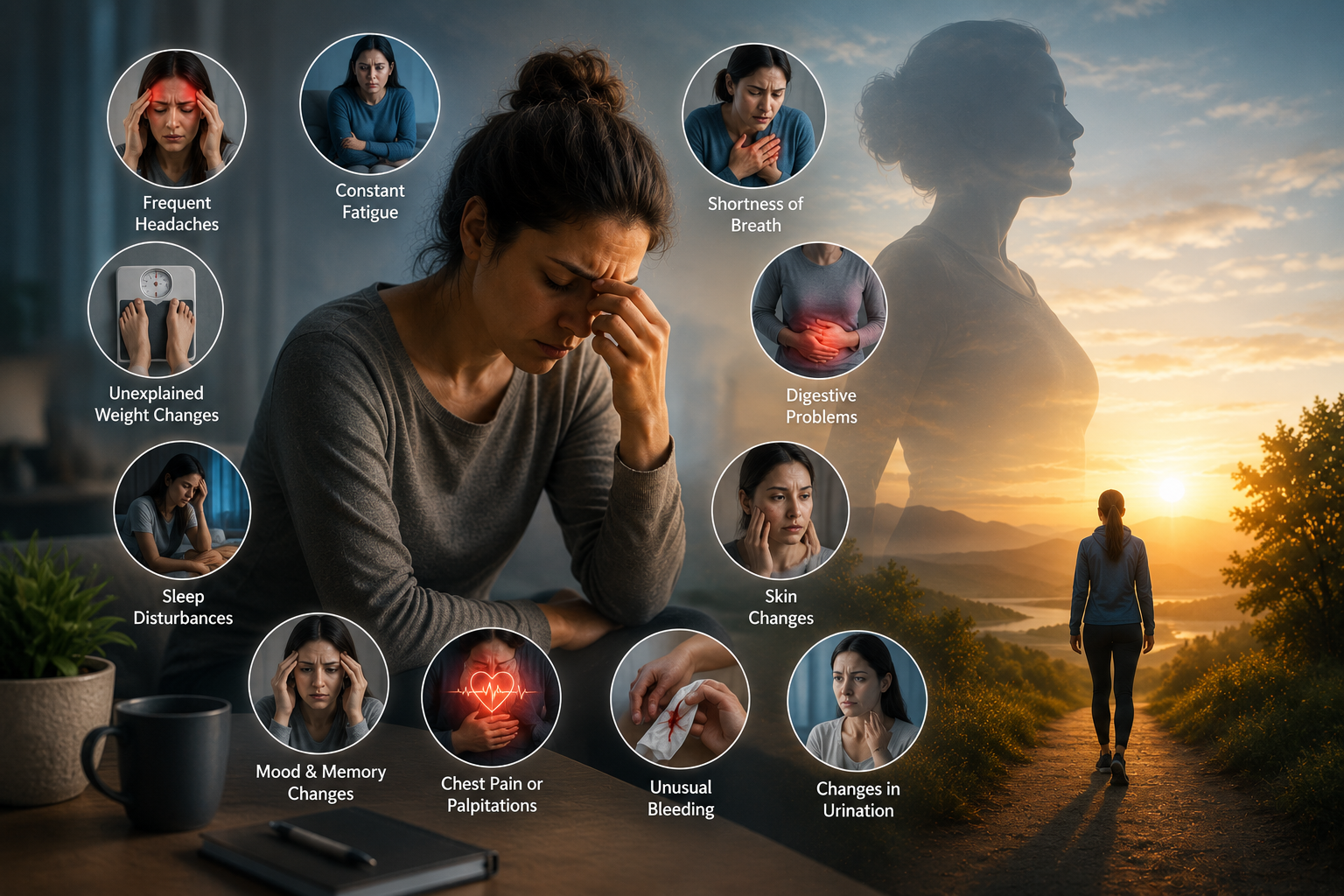
Hormonal Imbalance: Early Signs Women Should Not Ignore
Hormones play an important role in regulating many functions in the body, including the menstrual cycle, metabolism, skin, hair growth, sleep, mood and energy levels. When hormone levels become unbalanced, women may notice changes that affect their physical and emotional well-being.
Hormonal changes can occur for many reasons, including stress, changes in body weight, thyroid disorders, certain medicines, ageing and other health conditions. Recognising persistent symptoms and receiving proper medical guidance can help identify the underlying cause and support appropriate treatment.
What Is Hormonal Imbalance?
Hormonal imbalance occurs when one or more hormones are present at levels that are higher or lower than expected for a person's age, health status or stage of life.
Hormones are chemical messengers produced by glands throughout the body. They influence processes such as metabolism, sleep, mood, growth, blood pressure and reproductive-system function.
Changes in hormones may cause symptoms such as:
Irregular menstrual cycles
Acne or oily skin
Changes in body weight
Excessive hair growth
Hair thinning
Mood changes
Fatigue
Sleep difficulties
Increased sensitivity to heat or cold
Changes in appetite
Difficulty concentrating
These symptoms can have many different causes, so experiencing one or more of them does not automatically mean that a person has a hormonal disorder.
Early Signs of Hormonal Changes
Symptoms vary from one woman to another. Some women may experience several changes at the same time, while others may notice only one or two.
1. Irregular Periods
Changes in hormone levels can affect the regularity of menstrual cycles. Periods may become unusually early, late, lighter or heavier than normal.
Occasional changes can happen because of stress, illness, travel or changes in daily routines. However, repeated or significant changes should be discussed with a qualified doctor.
2. Persistent Acne
Hormonal fluctuations can influence oil production in the skin and contribute to acne.
Persistent acne, particularly when it develops suddenly or continues into adulthood, may sometimes be associated with hormonal changes. However, skincare products, medications, stress and other conditions can also contribute to acne.
3. Unusual Hair Growth
Some women may notice increased growth of coarse or dark hair on areas such as the face, chest or abdomen.
Hormonal changes can sometimes contribute to this pattern. Genetics and certain medications may also influence hair growth, so persistent or sudden changes should be medically evaluated.
4. Hair Thinning
Hormonal fluctuations may affect the normal hair-growth cycle. Some women may notice increased hair shedding, reduced hair volume or a widening parting.
Hair loss can also occur because of nutritional deficiencies, thyroid conditions, stress, illness or certain medicines. Identifying the underlying cause is important before starting treatment.
5. Unexpected Weight Changes
Changes in hormone levels may sometimes influence metabolism, appetite and how the body stores energy.
Unexpected weight gain or weight loss should not automatically be blamed on hormones. Thyroid disorders, medications, stress, sleep problems, dietary changes and other medical conditions may also be responsible.
6. Changes in Skin Colour or Texture
Certain hormonal and metabolic conditions may be associated with changes in the skin.
Dark, thick or velvety areas around the neck, underarms or other skin folds should be assessed by a healthcare professional, particularly when they appear suddenly or continue to worsen.
7. Persistent Fatigue
Feeling tired occasionally is normal, but persistent exhaustion may sometimes be associated with hormonal or metabolic problems.
Thyroid disorders, anaemia, sleep difficulties, nutritional deficiencies, stress and other health conditions can also cause fatigue. Medical evaluation may be necessary when tiredness continues despite adequate rest.
8. Mood Changes
Hormonal fluctuations can influence emotional well-being. Some women may experience irritability, anxiety, low mood or difficulty managing stress.
However, emotional symptoms can have many causes. Persistent sadness, loss of interest, severe anxiety or significant changes in behaviour should be discussed with a qualified healthcare professional.
What Causes Hormonal Imbalance?
There is no single cause of hormonal imbalance. Hormonal changes may occur because of a combination of biological, lifestyle and medical factors.
Possible contributors include:
Long-term stress
Poor sleep
Significant changes in body weight
Thyroid disorders
Certain medications
Metabolic conditions
Changes associated with ageing
Major lifestyle changes
Nutritional deficiencies
Certain disorders affecting hormone-producing glands
Hormonal symptoms should not be self-diagnosed based only on online information. Different medical conditions can produce very similar symptoms.
How Is Hormonal Imbalance Diagnosed?
There is no single test that can identify every type of hormonal imbalance.
A doctor may ask about:
Menstrual patterns
Changes in weight
Skin and hair changes
Sleep
Energy levels
Mood
Appetite
Current medicines
Family medical history
Existing health conditions
Recent illnesses or major lifestyle changes
The Evaluation May Include
A physical examination
Blood pressure measurement
Blood tests when appropriate
Thyroid-function testing when indicated
Blood glucose testing when clinically required
Other hormone tests based on symptoms
Additional investigations when necessary
A physical examination
Blood pressure measurement
Blood tests when appropriate
Thyroid-function testing when indicated
Blood glucose testing when clinically required
Other hormone tests based on symptoms
Additional investigations when necessary
Testing should be selected according to the individual's symptoms and medical history rather than performing every possible test.
Why Should Hormonal Symptoms Not Be Ignored?
Persistent hormonal symptoms may sometimes indicate an underlying health condition that requires treatment.
Depending on the cause, untreated problems may affect:
Metabolism
Blood sugar
Cholesterol
Blood pressure
Bone health
Skin and hair
Sleep
Mood
Energy levels
Overall quality of life
Not every woman experiencing hormonal symptoms will develop long-term complications. Early evaluation can help identify the cause and determine whether treatment or monitoring is required.
Lifestyle Habits That May Help
Eat Balanced Meals
Choose meals containing vegetables, fruits, whole grains, pulses, protein and healthy fats.
Avoid relying heavily on highly processed foods, sugary drinks and excessive refined carbohydrates. Extreme diets should generally be avoided unless recommended by a qualified healthcare professional.
Stay Physically Active
Walking, cycling, yoga, strength training and other enjoyable forms of movement can support general physical and metabolic health.
Exercise should be selected according to individual fitness, health and comfort.
Maintain a Regular Sleep Routine
Poor sleep can affect energy, appetite, mood and overall health.
Try to maintain consistent sleeping and waking times and reduce stimulating activities before bedtime.
Manage Stress
Long-term stress can affect sleep, mood, appetite and general well-being.
Relaxation techniques, breathing exercises, hobbies, journaling, physical activity and professional counselling may help manage ongoing stress.
Maintain a Healthy Weight When Appropriate
Significant changes in body weight may affect several body systems.
Rather than following restrictive diets, focus on sustainable eating habits, regular activity and professional guidance when weight management is a concern.
Medical Treatment for Hormonal Problems
Treatment depends entirely on the underlying cause.
A doctor may recommend:
Lifestyle changes
Hormonal medication
Thyroid treatment
Medicines for blood-sugar regulation
Treatments for acne or hair-related symptoms
Nutritional supplementation when a deficiency is confirmed
Other medicines or specialist care when necessary
There is no single treatment suitable for every woman.
Never begin, stop or change prescribed medicine without consulting the treating doctor.
Homeopathy and Hormonal Health
Some women choose homeopathy as a complementary approach for general well-being or symptoms they believe may be related to hormonal changes.
However, current scientific evidence does not establish homeopathy as an effective treatment for specific hormonal disorders.
Homeopathy should not replace medical investigations, prescribed medicines or specialist treatment. Anyone considering a homeopathic product should inform their doctor about all medicines, supplements and other products they are using.
Safe healthcare requires accurate diagnosis, realistic expectations and coordination between healthcare professionals.
When Should You Consult a Doctor?
Consult a qualified doctor when:
Periods become repeatedly irregular or unusually heavy.
Acne becomes severe or persistent.
Hair growth changes suddenly.
Hair thinning becomes noticeable.
You experience unexplained weight changes.
Fatigue continues despite adequate rest.
You develop persistent mood changes.
You notice significant changes in sleep or appetite.
Symptoms continue for several weeks.
Symptoms interfere with work, studies or daily activities.
These symptoms do not necessarily indicate a hormonal disorder, but they deserve proper medical assessment when persistent or concerning.
Final Thoughts
Hormones influence many important functions throughout the body, and changes in hormone levels can produce symptoms involving the skin, hair, weight, energy, mood and menstrual cycle.
Persistent symptoms should not simply be dismissed as normal hormonal changes or treated through self-diagnosis. A proper medical evaluation can help identify the underlying cause and determine whether treatment is necessary.
Balanced nutrition, regular physical activity, adequate sleep and stress management can support overall health. When symptoms continue or become more severe, professional medical guidance is the safest approach.
Understanding your symptoms is the first step toward understanding your health.
Medical Disclaimer: This article is intended for general educational purposes only. It is not a substitute for professional medical diagnosis, treatment or advice. Always consult a qualified healthcare professional regarding persistent, severe or worsening symptoms.