How Daily Routines Influence Long-Term Women's Health
Women's health is shaped by many factors, including genetics, environment, hormones, medical history, and access to healthcare. However, everyday routines also play an important role. The habits a woman follows repeatedly, such as what she eats, how much she moves, how well she sleeps, and how she manages stress, can influence health over many years.
Current women's health guidance emphasizes that prevention is not limited to medical appointments. Consistent nutrition, physical activity, adequate sleep, stress management, and preventive care can work together to support health throughout the lifespan.
Why Daily Habits Matter
Long-term health is rarely determined by one decision. Instead, it is often influenced by patterns that continue over months and years.
For example, regularly choosing nutritious foods, staying physically active, getting adequate sleep, and attending recommended health screenings can contribute to healthier aging and reduce the risk of several chronic conditions.
These habits can support:
- Heart health
- Bone health
- Healthy weight
- Metabolic health
- Mental and emotional well-being
- Sleep quality
- Muscle strength
- Energy levels
- Overall quality of life
The goal is not perfection. Small, sustainable habits can be more valuable than short-term extreme changes.
1. Start the Day With a Healthy Routine
The beginning of the day can influence how the rest of the day unfolds.
A simple morning routine might include:
- Drinking water
- Eating a nutritious breakfast when appropriate
- Getting some natural light
- Moving or stretching
- Planning meals and priorities
- Taking a few minutes for mental preparation
A consistent morning routine can make healthy behaviors easier to maintain throughout the day.
2. Make Nutritious Food Part of Everyday Life
Food choices have an important influence on both present and future health.
A healthy eating pattern should include a variety of nutrient-rich foods such as vegetables, fruits, whole grains, protein-rich foods, and healthy sources of fat. The World Health Organization emphasizes adequacy, balance, moderation, and diversity as core principles of healthy eating.
Healthy eating can help support:
- Energy production
- Healthy body weight
- Bone health
- Metabolic health
- Heart health
- Immune function
Women's nutritional requirements can also change throughout life. For example, nutritional needs may be different during pregnancy, breastfeeding, adolescence, and after menopause.
3. Make Physical Activity a Regular Habit
Regular movement is one of the most valuable daily habits for long-term health.
Physical activity can support cardiovascular health, muscle strength, bone health, mood, sleep, and healthy aging.
Women can choose activities that fit their lifestyle, including:
- Walking
- Cycling
- Swimming
- Dancing
- Yoga
- Strength training
- Jogging
- Sports
- Active household activities
For adults, commonly recommended targets include at least 150 minutes of moderate-intensity aerobic activity per week, or an equivalent amount of vigorous activity, together with muscle-strengthening activities on at least two days each week.
However, women who are currently inactive do not need to begin with a demanding exercise program. Starting with short periods of movement and gradually increasing activity can be a practical approach.
4. Prioritize Sleep
Sleep is an important part of physical and emotional health.
Women may experience sleep changes related to the menstrual cycle, pregnancy, menopause, stress, and other factors. Poor sleep can affect mood, concentration, energy, and overall health.
Helpful sleep habits include:
- Going to bed and waking at consistent times
- Creating a relaxing bedtime routine
- Keeping the bedroom dark and comfortable
- Limiting caffeine later in the day
- Reducing unnecessary screen use before bedtime
- Avoiding heavy meals close to bedtime
Rather than treating sleep as something that can be sacrificed whenever life becomes busy, it is better to consider it part of a healthy daily routine.
5. Manage Stress Before It Becomes Overwhelming
Stress is a normal part of life, but ongoing stress can affect both emotional and physical well-being.
Women may have multiple responsibilities involving work, family, caregiving, relationships, and household tasks. Making time for stress management can therefore be an important component of long-term wellness.
Useful strategies may include:
- Deep breathing
- Meditation
- Walking
- Exercise
- Journaling
- Spending time outdoors
- Connecting with supportive people
- Practicing hobbies
- Taking regular breaks
Self-care can include healthy eating, physical activity, adequate sleep, avoiding tobacco, and maintaining social connections.
6. Pay Attention to Mental and Emotional Health
Physical health and emotional health are closely connected.
Persistent stress, anxiety, loneliness, or low mood can affect sleep, appetite, motivation, and daily routines.
Women should make emotional well-being part of their regular health routine rather than waiting until symptoms become overwhelming.
Talking with trusted people, maintaining social connections, engaging in enjoyable activities, and seeking professional support when necessary can all be valuable.
7. Maintain Healthy Weight Without Extreme Dieting
Maintaining a healthy weight can contribute to long-term health, but the focus should be on sustainable habits rather than rapid weight loss.
Healthy eating and regular physical activity can support healthy weight management.
Extreme diets, unnecessary food restrictions, and excessive exercise may not be sustainable and can sometimes create additional health problems.
A better approach is to focus on nutritious food, regular movement, adequate sleep, and realistic lifestyle changes.
8. Protect Bone Health
Bone health becomes increasingly important as women age.
Regular physical activity, particularly weight-bearing and muscle-strengthening activities, can help maintain strong bones and muscles. This becomes especially relevant during and after menopause, when changes in estrogen levels can contribute to bone loss.
The Office on Women's Health recommends regular physical activity, including aerobic and muscle-strengthening exercises, to support health during menopause.
Nutrition also matters. Adequate calcium, vitamin D, protein, and other nutrients contribute to maintaining healthy bones.
9. Avoid Tobacco and Limit Harmful Substances
Avoiding tobacco is one of the most important lifestyle choices a woman can make for long-term health.
Smoking is associated with cardiovascular disease, respiratory problems, bone problems, and several cancers. Quitting smoking can improve health at any age.
Women should also be mindful of alcohol consumption and avoid misuse of medications or other substances.
10. Stay Hydrated
Water is essential for many functions in the body.
Although individual fluid needs vary depending on factors such as climate, activity level, diet, and health conditions, maintaining adequate hydration is a simple part of a healthy daily routine.
Choosing water regularly instead of sugary drinks can also help reduce excess sugar intake.
11. Take Breaks From Long Periods of Sitting
Modern work often involves sitting for extended periods.
Long periods of inactivity can make it harder to achieve adequate physical activity. Simple changes can help:
- Stand during phone calls
- Take short walking breaks
- Stretch between tasks
- Use stairs when practical
- Walk during short breaks
- Avoid sitting continuously for several hours
These small actions can make daily routines more active without requiring a separate workout every time.
12. Pay Attention to Menstrual and Hormonal Changes
A woman's body changes throughout life, and menstrual patterns can provide useful information about health.
Tracking periods can help women notice changes in:
- Cycle length
- Bleeding patterns
- Menstrual pain
- Premenstrual symptoms
- Mood
- Energy
Changes do not always indicate a serious problem, but persistent or unusual symptoms should be discussed with a healthcare professional.
Women should avoid assuming that every symptom is simply due to hormones or stress.
13. Make Preventive Healthcare Part of the Routine
Healthy habits are important, but they do not replace medical care.
Routine healthcare can include:
- Regular checkups
- Recommended screenings
- Vaccinations
- Blood pressure monitoring
- Appropriate cholesterol and blood sugar checks
- Reproductive health consultations
- Dental care
- Eye examinations when appropriate
Preventive care can help identify potential health problems earlier, when they may be easier to manage.
The appropriate screenings depend on age, family history, personal health history, and other risk factors.
14. Adapt Your Routine as You Age
A healthy routine should not remain exactly the same throughout life.
Adolescence and Young Adulthood
Focus on developing healthy eating, physical activity, sleep, emotional wellness, and preventive healthcare habits.
Reproductive Years
Nutrition, physical activity, stress management, reproductive health, and regular preventive care remain important.
Pregnancy and Postpartum
Nutritional needs, physical activity, sleep, and healthcare requirements change considerably. Individual medical guidance is particularly important during this period.
Midlife and Perimenopause
Women may benefit from paying greater attention to cardiovascular health, muscle strength, bone health, sleep, nutrition, and changing menstrual patterns.
Older Adulthood
Maintaining strength, balance, mobility, cognitive health, independence, and social connections becomes increasingly important.
Current women's health guidance emphasizes adapting prevention strategies to different stages of life rather than following one routine for everyone.
Creating a Realistic Daily Wellness Routine
A healthy lifestyle does not need to be complicated.
A simple routine could look like this:
Morning
- Wake at a consistent time
- Drink water
- Eat a nutritious meal
- Get some movement or natural light
During the day
- Eat balanced meals
- Stay physically active
- Take breaks from prolonged sitting
- Drink enough fluids
- Manage work-related stress
Evening
- Eat a balanced dinner
- Reduce unnecessary screen time
- Spend time relaxing
- Prepare for the next day
Before bed
- Follow a calming routine
- Keep the bedroom comfortable
- Aim for consistent sleep
The exact routine can be adapted according to a woman's age, work schedule, family responsibilities, health conditions, and personal preferences.
Small Habits Can Create Long-Term Benefits
It is easy to believe that improving health requires dramatic lifestyle changes.
In reality, many improvements can begin with small steps.
For example:
- A 10-minute walk can become a regular exercise habit.
- Adding one extra serving of vegetables can improve dietary variety.
- Going to bed 30 minutes earlier can gradually improve sleep.
- Taking short movement breaks can reduce prolonged sitting.
- Scheduling preventive appointments can help maintain regular healthcare.
The important factor is consistency.
When Lifestyle Changes Are Not Enough
Healthy routines are valuable, but they cannot prevent or treat every health condition.
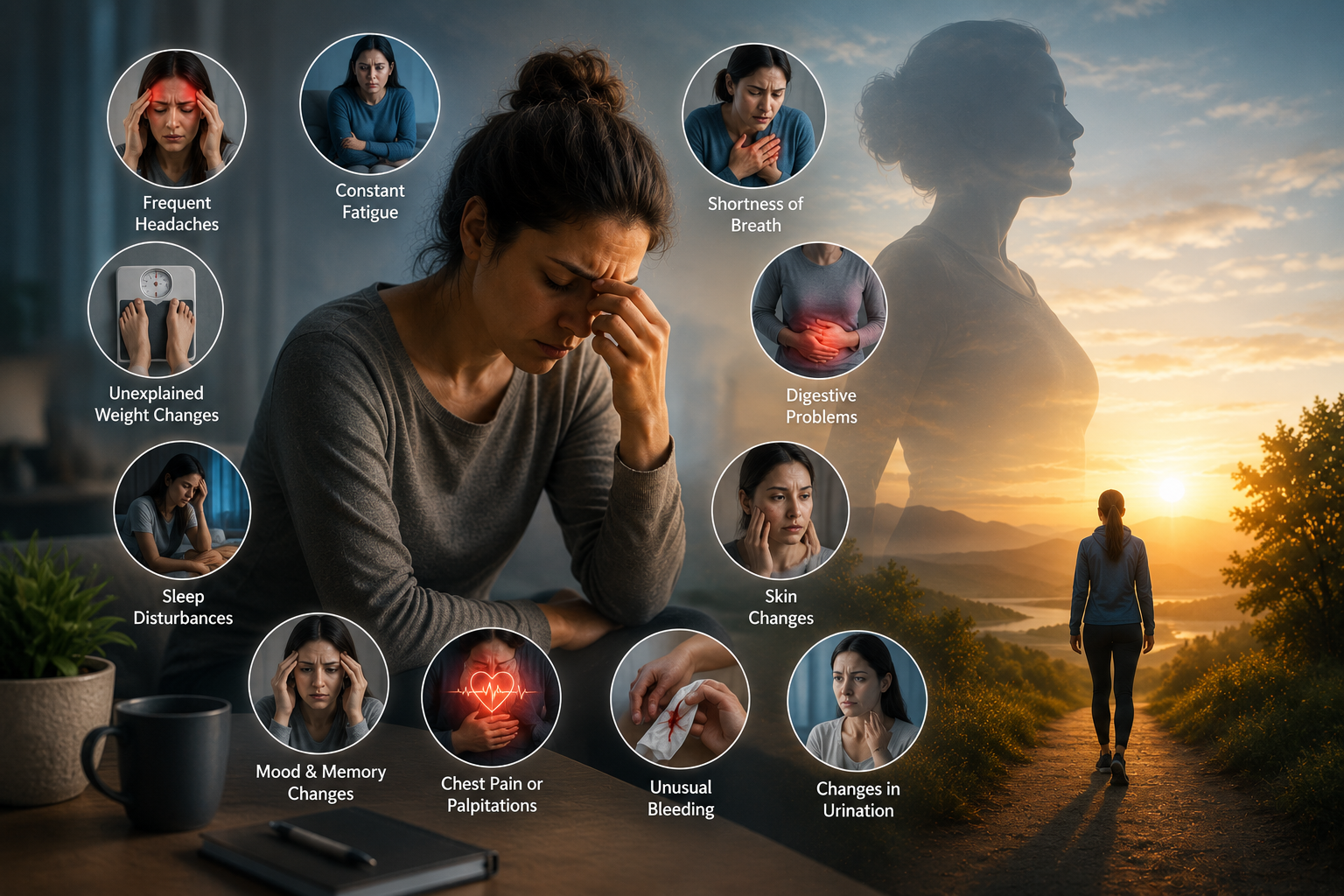
Women should seek professional medical advice when they experience persistent or concerning symptoms such as:
- Unexplained weight changes
- Persistent fatigue
- Significant menstrual changes
- Severe or ongoing pain
- Persistent mood changes
- Repeated sleep problems
- Unusual bleeding
- Difficulty becoming pregnant
- New or worsening symptoms
Lifestyle changes should complement appropriate medical care rather than replace it.
Conclusion
Daily routines can have a meaningful influence on long-term women's health. Healthy eating, regular physical activity, sufficient sleep, stress management, emotional well-being, avoiding tobacco, and preventive healthcare can work together to support health throughout different stages of life.
The most effective routine is not necessarily the most complicated one. It is the one that can realistically be maintained over time.
Small healthy choices, repeated consistently, can become a strong foundation for lifelong women's wellness.