How Lifestyle Changes Can Support Women During Perimenopause
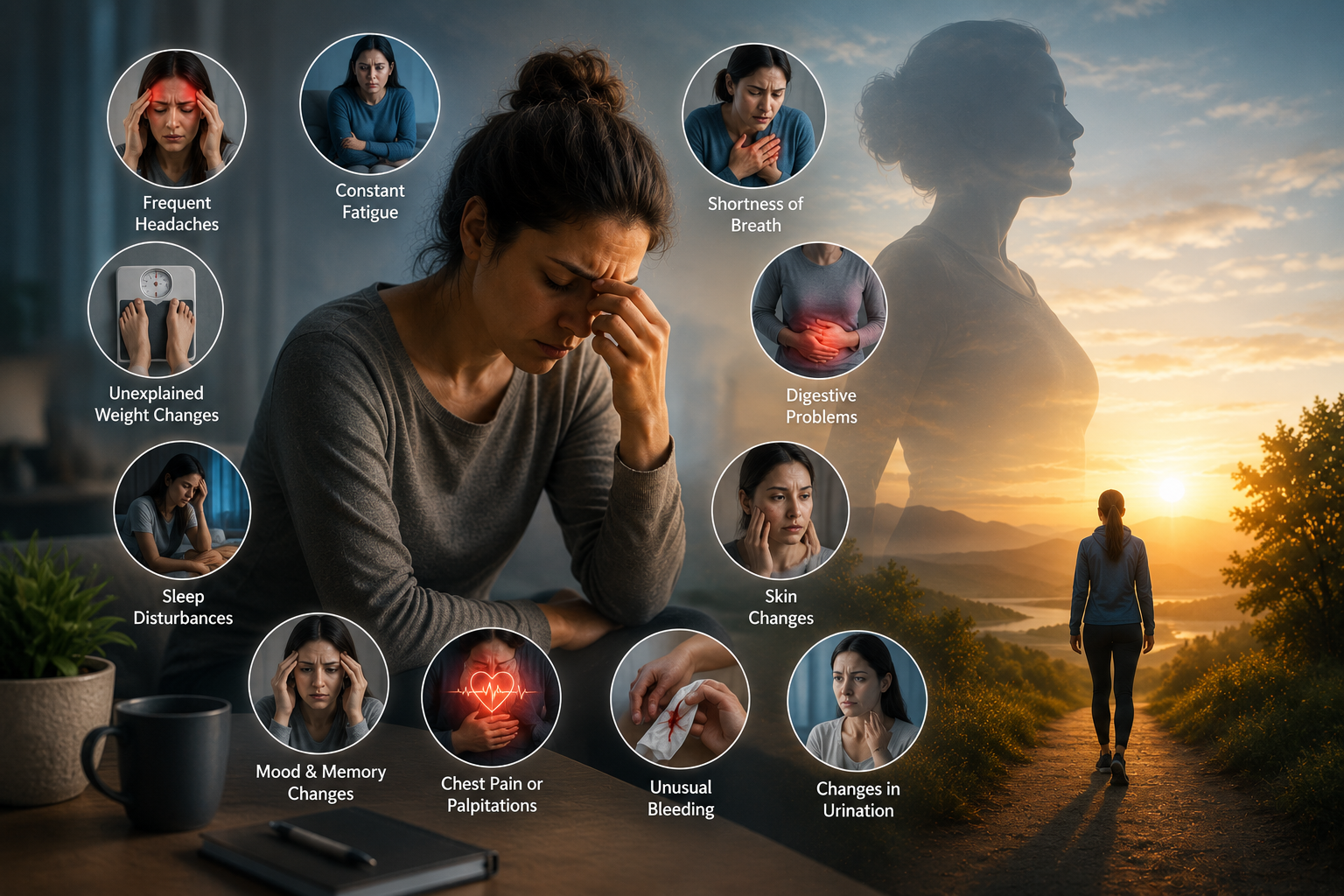
Perimenopause is the natural transition before menopause. During this stage, changing hormone levels can affect menstrual cycles, sleep, mood, energy, and overall well-being. Every woman experiences perimenopause differently, so there is no single approach that works for everyone.
Healthy lifestyle habits can support women during this transition and contribute to better long-term health.
Stay Physically Active
Regular movement such as walking, swimming, yoga, cycling, or strength training can support physical fitness, mood, bone health, and cardiovascular health. Strength and weight-bearing exercises are particularly useful during midlife.
Choose Balanced Nutrition
A nutrient-rich diet with vegetables, fruits, whole grains, protein, healthy fats, and adequate fluids can support energy and overall health. Calcium-rich foods are also important for maintaining bone health.
Prioritize Sleep
Sleep problems can become more common during perimenopause, particularly when hot flashes or night sweats interrupt rest. Maintaining a regular sleep schedule, limiting caffeine later in the day, reducing screen time before bed, and keeping the bedroom comfortable may help.
Manage Stress
Stress can make it more difficult to cope with physical and emotional changes. Relaxation techniques such as meditation, yoga, breathing exercises, reading, or spending time outdoors may help support emotional well-being.
Pay Attention to Your Symptoms
Keeping track of periods, sleep, mood, hot flashes, food habits, and stress levels can help women recognize personal patterns. This information can also be useful when discussing symptoms with a healthcare professional.
Stay Connected
Support from friends, family, or other women going through similar experiences can make perimenopause easier to navigate. Maintaining social connections can support emotional well-being during this stage.
Avoid Smoking and Limit Unhealthy Habits
Avoiding smoking and maintaining healthy lifestyle habits can support heart, bone, and overall health during midlife.
When to Seek Professional Guidance
Lifestyle changes can support general wellness, but they are not a replacement for medical evaluation. Persistent, severe, or unusual symptoms should be discussed with a qualified healthcare professional. Changes in menstrual bleeding, in particular, may have causes other than perimenopause and should sometimes be evaluated.
Conclusion
Perimenopause is a natural stage of life, but its symptoms can vary considerably between women. Regular physical activity, balanced nutrition, quality sleep, stress management, social support, and preventive healthcare can help women maintain their health during this transition.
Small, consistent lifestyle changes can make an important contribution to overall well-being during perimenopause and beyond.