How Lifestyle Changes Can Support Women's Hormonal Wellness
Hormones play an important role in many aspects of women's health, including the menstrual cycle, fertility, metabolism, sleep, mood, energy, and bone health. Hormone levels naturally change throughout life, but everyday habits can also influence the systems that regulate hormones.
A healthy lifestyle cannot correct every hormonal condition, and there is no single diet or routine that can "balance" hormones for everyone. However, nutritious food, regular physical activity, adequate sleep, stress management, and maintaining a healthy weight can support overall hormonal and metabolic health.
What Is Hormonal Wellness?
Hormonal wellness refers to the healthy functioning of the body's endocrine system. Hormones act as chemical messengers and help regulate processes such as:
- Menstrual cycles
- Ovulation and reproduction
- Metabolism
- Appetite
- Sleep
- Mood
- Energy
- Stress responses
- Bone health
Hormone levels naturally rise and fall throughout the menstrual cycle and change during stages such as pregnancy, perimenopause, and menopause. Therefore, "hormonal balance" does not mean maintaining the same hormone levels all the time. It means supporting the body's normal hormonal processes.
1. Eat a Balanced and Nutritious Diet
Nutrition is an important part of overall hormonal and metabolic health.
Instead of following restrictive diets or focusing on individual "hormone-balancing" foods, women can benefit from a varied eating pattern that includes:
- Vegetables and fruits
- Whole grains
- Beans and lentils
- Nuts and seeds
- Adequate protein
- Healthy sources of dietary fat
- Fiber-rich foods
A balanced diet provides nutrients needed for normal metabolism and general health. Diet quality can also influence body weight and insulin sensitivity, both of which can interact with hormonal function.
2. Maintain a Healthy Weight for Your Body
Body weight and hormonal health can be closely connected.
Both excess body weight and very low body weight can be associated with changes in reproductive hormone function and menstrual cycles. Maintaining a healthy weight for your individual body can therefore be helpful for overall wellness.
However, healthy weight should not be approached through extreme dieting or excessive exercise. Sustainable habits are generally more appropriate than rapid weight-loss strategies.
3. Stay Physically Active
Regular physical activity can support cardiovascular health, metabolic health, mood, sleep, and overall well-being.
Activities can include:
- Walking
- Cycling
- Swimming
- Yoga
- Dancing
- Strength training
- Other enjoyable forms of movement
Moderate exercise can support insulin sensitivity and healthy body composition. It is important to remember that excessive exercise combined with inadequate nutritional intake can also interfere with reproductive hormone function and menstruation.
The goal should be consistent, sustainable movement rather than overtraining.
4. Prioritize Quality Sleep
Sleep is another important part of hormonal wellness.
Hormonal changes during the menstrual cycle, pregnancy, and menopause can influence sleep, while poor sleep can affect mood, energy, and overall health.
Helpful sleep habits include:
- Maintaining a regular sleep schedule
- Creating a relaxing bedtime routine
- Keeping the bedroom comfortable and quiet
- Limiting stimulating activities before bed
- Avoiding excessive caffeine later in the day
Consistent sleep can make it easier for the body to maintain healthy daily rhythms.
5. Manage Long-Term Stress
Stress is a normal part of life, but chronic stress can affect several systems in the body.
Long-term stress can influence cortisol and may interfere with reproductive hormone signaling. It can also affect sleep, eating habits, physical activity, and emotional well-being.
Simple stress-management practices may include:
- Deep breathing
- Meditation
- Yoga
- Walking outdoors
- Journaling
- Spending time with supportive people
- Taking regular breaks
- Speaking with a mental health professional when appropriate
Managing stress does not mean eliminating every stressful situation. It means developing healthier ways to cope with ongoing challenges.
6. Pay Attention to Your Menstrual Cycle
The menstrual cycle can provide useful information about a woman's health.
Tracking the start and end of periods, cycle length, bleeding patterns, pain, and other symptoms can help women recognize changes over time. It can also provide useful information during a healthcare consultation.
A sudden change in a previously regular cycle should not automatically be attributed to stress or lifestyle. Persistent changes may require medical evaluation.
7. Avoid Extreme Dieting
Very restrictive diets and inadequate calorie intake can affect reproductive health.
The body needs sufficient energy and nutrients to support normal physiological functions. Excessive dieting combined with intense exercise may contribute to menstrual disturbances in some women.
A sustainable approach should focus on nourishing the body rather than trying to achieve rapid changes in weight or appearance.
8. Limit Smoking and Alcohol
Smoking can negatively affect women's reproductive and long-term health. Alcohol can also affect overall health and may interfere with healthy sleep and lifestyle habits.
Avoiding smoking and limiting alcohol consumption are important components of a healthy lifestyle. Current Indian menopause guidance specifically emphasizes tobacco cessation and minimizing alcohol as important health measures.
9. Support Gut and Digestive Health
The digestive system and overall metabolic health are closely connected with nutrition and lifestyle.
Eating a variety of fiber-rich foods, drinking adequate fluids, staying physically active, and maintaining a balanced diet can support healthy digestion.
Rather than relying on expensive "detox" programs or supplements marketed for hormone balance, it is generally more useful to establish sustainable dietary habits.
10. Make Time for Emotional Well-Being
Emotional health is an important part of women's overall wellness.
Persistent stress, anxiety, poor sleep, and emotional exhaustion can affect daily habits and physical well-being. Taking time for relaxation, relationships, hobbies, and self-care can help create a healthier lifestyle.
Women's hormonal health should therefore be viewed as part of a broader connection between physical, emotional, and mental well-being.
11. Adapt Healthy Habits During Different Life Stages
Women's health needs change throughout life.
Lifestyle priorities may be different during:
Reproductive Years
Maintaining adequate nutrition, regular physical activity, healthy sleep, and menstrual awareness can support general well-being.
Pregnancy
Nutritional and exercise needs change considerably during pregnancy. Women should follow individualized guidance from their healthcare provider rather than making major dietary or exercise changes independently.
Perimenopause
Sleep, exercise, stress management, nutrition, and maintaining muscle and bone health become particularly important.
Menopause
Regular physical activity, including weight-bearing and muscle-strengthening exercise, balanced nutrition, adequate sleep, and emotional support can contribute to long-term health.
12. Avoid the "Quick Hormone Fix"
The internet contains many products and programs claiming to "reset" or "balance" hormones naturally.
These claims should be approached carefully.
Hormonal symptoms can have many causes, including thyroid disorders, PCOS, insulin resistance, menopause-related changes, certain medications, and other medical conditions. Lifestyle changes may support health, but they do not replace appropriate diagnosis and treatment.
Supplements should also not be taken simply because they are marketed for hormonal health. Some supplements may interact with medicines or may not be appropriate for particular health conditions.
When Should You Seek Medical Advice?
Lifestyle changes are helpful for general wellness, but persistent symptoms deserve professional attention.
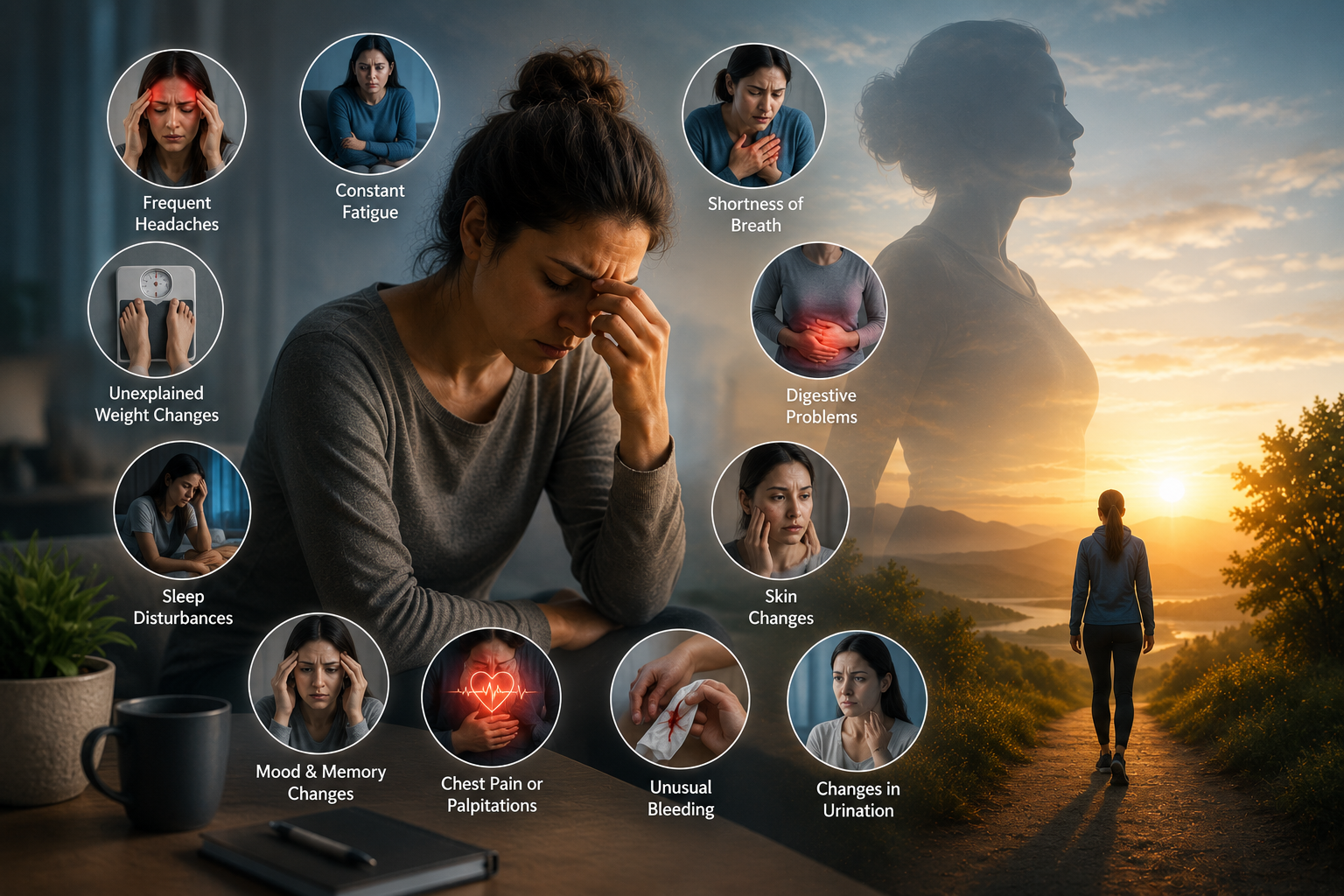
Consider consulting a healthcare professional if you experience:
- Periods that suddenly become irregular
- Missing periods for an extended period
- Very heavy menstrual bleeding
- Severe or persistent menstrual pain
- Difficulty becoming pregnant
- Significant unexplained weight changes
- Persistent fatigue
- New or worsening acne or excess facial hair
- Major changes in mood
- Persistent sleep problems
For example, the Mayo Clinic recommends medical evaluation when periods suddenly stop for more than 90 days, become significantly irregular, or involve unusually heavy or prolonged bleeding.
Creating a Sustainable Hormonal Wellness Routine
Supporting hormonal wellness does not require changing everything at once.
A practical routine could include:
Morning:
Start the day with a nutritious breakfast, hydration, and some physical movement.
During the day:
Eat balanced meals, stay active, take breaks, and manage stress.
Evening:
Reduce stimulation, eat a suitable dinner, relax, and follow a consistent bedtime routine.
Throughout the month:
Track menstrual patterns and pay attention to changes in symptoms, energy, sleep, and mood.
Small habits practiced consistently can be more sustainable than dramatic lifestyle changes.
Conclusion
Lifestyle choices can play an important role in supporting women's hormonal wellness. A balanced diet, regular physical activity, adequate sleep, stress management, healthy weight maintenance, and avoiding tobacco can support the body's metabolic and hormonal systems.
However, hormonal health is complex. Not every menstrual, mood, weight, or energy-related symptom is caused by lifestyle, and healthy habits cannot replace medical treatment when an underlying condition is present.
The best approach is to focus on consistent, sustainable habits while paying attention to changes in your body and seeking professional guidance when symptoms persist. This balanced approach can help women support their hormonal health throughout different stages of life.