How Lifestyle Habits Can Affect Your Energy Levels
Energy levels play an important role in how we work, study, exercise, and enjoy our daily lives. While occasional tiredness is normal, consistently low energy can make everyday activities feel difficult.
Lifestyle habits have a major influence on how energetic we feel. Sleep, nutrition, hydration, physical activity, stress management, and daily routines can all affect the body's ability to maintain steady energy.
Understanding these factors can help you make simple changes that support better overall wellness.
What Determines Your Energy Levels?
Energy is influenced by many factors, including sleep quality, nutrition, physical activity, emotional well-being, hydration, and general health.
A person may feel tired because of a late night, skipped meal, stressful day, dehydration, or lack of physical activity. However, persistent fatigue may sometimes be related to an underlying health condition and should not always be attributed to lifestyle alone.
1. Sleep and Energy
Sleep is one of the most important lifestyle factors affecting daytime energy.
During sleep, the body gets an opportunity to rest and recover. Poor sleep or an inconsistent sleep schedule may contribute to daytime tiredness, reduced concentration, and lack of motivation.
Healthy sleep habits include:
- Going to bed and waking up at consistent times
- Creating a relaxing bedtime routine
- Keeping the bedroom comfortable and quiet
- Limiting stimulating screen use before bed
- Avoiding excessive caffeine later in the day
- Getting regular physical activity during the day
Most adults generally need around 7–9 hours of sleep per night, although individual needs can vary.
2. Nutrition and Energy
Food provides the nutrients and energy needed for everyday activities. Skipping meals or relying heavily on highly processed foods may make it more difficult to maintain consistent energy throughout the day.
A balanced diet can include:
- Fresh vegetables
- Fruits
- Whole grains
- Pulses and legumes
- Nuts and seeds
- Eggs
- Dairy or suitable alternatives
- Fish or other protein sources
Eating balanced meals at regular intervals can help support overall nutritional needs.
3. Hydration Matters
Even mild dehydration can be associated with tiredness and reduced concentration.
The body's fluid requirements vary depending on factors such as weather, physical activity, diet, age, and health conditions.
Simple hydration habits include:
- Keeping water nearby
- Drinking fluids regularly throughout the day
- Increasing fluid intake when appropriate during hot weather or exercise
- Including water-rich fruits and vegetables in your diet
People with medical conditions that require fluid restriction should follow their healthcare professional's recommendations.
4. Physical Activity Can Improve Energy
It may seem counterintuitive, but regular physical activity can help support energy and reduce feelings of sluggishness.
Activities such as walking, cycling, swimming, yoga, stretching, and strength exercises can contribute to physical fitness and overall well-being.
You do not necessarily need intense workouts. Starting with manageable activities and gradually increasing movement can be a practical approach.
5. Stress Can Drain Energy
Emotional stress can be mentally exhausting. Constant worrying or pressure from work, studies, relationships, or other responsibilities may affect sleep, concentration, and motivation.
Healthy stress-management techniques may include:
- Deep breathing
- Meditation
- Gentle exercise
- Spending time outdoors
- Listening to music
- Reading
- Maintaining hobbies
- Talking with trusted friends or family
Finding regular opportunities to relax can support both mental and physical well-being.
6. Too Much Screen Time
Long periods of screen use may contribute to a sedentary lifestyle and may interfere with sleep when devices are used extensively before bedtime.
If you spend many hours working on a computer or phone, consider taking regular breaks.
Try the following:
- Stand up periodically
- Walk around during breaks
- Stretch your body
- Rest your eyes
- Reduce unnecessary screen use before bedtime
Creating boundaries around technology can also make it easier to maintain a healthier daily routine.
7. Caffeine and Energy Drinks
Caffeine can temporarily increase alertness, but consuming too much may contribute to sleep problems or make some people feel restless.
Coffee, tea, cola, and energy drinks can contain significant amounts of caffeine.
If you experience low energy, it may be tempting to continually increase caffeine consumption. However, improving sleep, nutrition, hydration, and physical activity is generally a better foundation for maintaining energy.
8. Spending Time Outdoors
Spending appropriate time outdoors can combine several healthy habits, including daylight exposure, movement, and relaxation.
A morning walk, gardening, or another outdoor activity can be a simple way to add movement to your daily routine.
During very hot weather, choose appropriate times of day and take precautions against excessive heat and sun exposure.
9. Maintaining a Consistent Routine
An unpredictable daily schedule can make it harder to maintain healthy habits.
A simple routine can help organize:
- Sleep
- Meals
- Exercise
- Work
- Breaks
- Relaxation
You do not need to follow a rigid schedule. The goal is to create consistent habits that fit your lifestyle.
10. Avoid Skipping Meals
Skipping meals can make some people feel tired, distracted, or irritable.
Instead of relying on occasional snacks or sugary foods, aim for balanced meals that include protein, fiber, healthy fats, and nutrient-rich carbohydrates.
Individual dietary needs vary, so people with specific health conditions should follow appropriate professional nutritional advice.
11. Alcohol and Energy Levels
Alcohol can affect sleep quality even when it initially makes a person feel relaxed or sleepy.
Regular or excessive alcohol consumption may therefore contribute to tiredness and disrupted sleep.
Reducing alcohol intake or avoiding it can be an important lifestyle choice for people who are concerned about sleep and energy levels.
12. Create a Healthy Work-Life Balance
Constant work without adequate rest can contribute to physical and mental exhaustion.
Try to create clear periods for:
- Work or study
- Meals
- Exercise
- Family and social activities
- Relaxation
- Sleep
Taking regular breaks can help prevent prolonged mental fatigue.
Simple Daily Habits for Better Energy
You can start improving your daily routine with a few simple habits:
- Maintain a consistent sleep schedule.
- Eat balanced meals.
- Drink enough fluids according to your individual needs.
- Include regular physical activity.
- Take short breaks during long periods of work.
- Spend appropriate time outdoors.
- Manage stress through healthy activities.
- Limit excessive caffeine.
- Reduce unnecessary screen use before bedtime.
- Make time for relaxation and social connection.
When Should You Be Concerned About Low Energy?
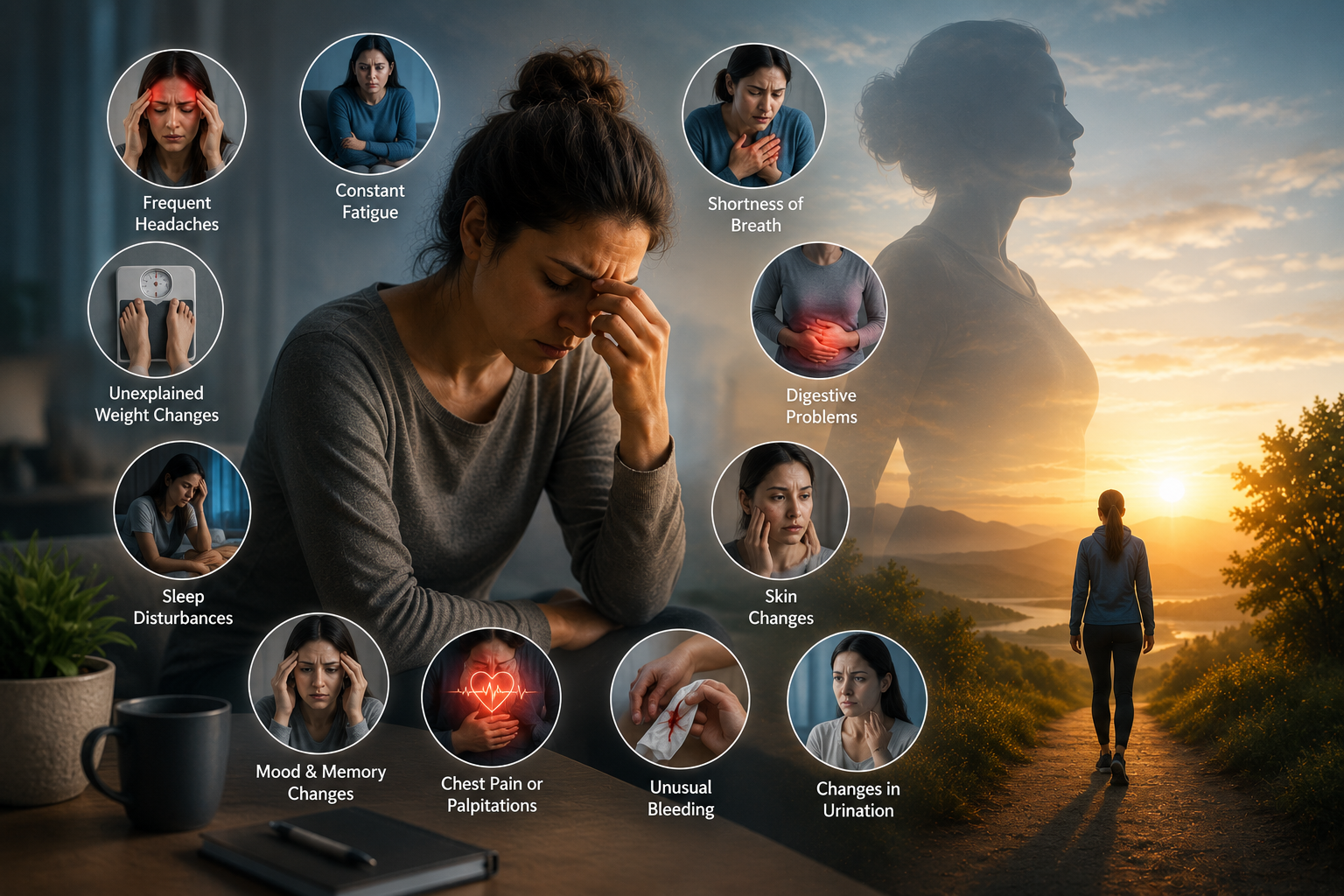
Occasional tiredness is common. However, persistent or unexplained fatigue may require professional evaluation.
Consider speaking with a qualified healthcare professional if:
- Fatigue continues for several weeks
- Your energy level is getting progressively worse
- Tiredness interferes with work, studies, or daily activities
- You feel tired despite getting adequate sleep
- Fatigue occurs with unexplained weight changes
- You experience persistent changes in mood
- You have other unusual or concerning symptoms
Fatigue can sometimes be associated with conditions such as anemia, thyroid problems, sleep disorders, infections, nutritional deficiencies, medication effects, or other health issues.
Can Natural or Homeopathic Approaches Help?
Some people explore complementary approaches, including homeopathy, when looking for ways to support general wellness and energy.
However, natural or homeopathic products should not automatically be considered effective or suitable for everyone. Persistent fatigue should first be evaluated to determine whether an underlying health issue is present.
If you are considering supplements or complementary treatments, especially if you take medications or have an existing health condition, discuss them with a qualified healthcare professional.
Conclusion
Your everyday habits can have a significant influence on how you feel throughout the day. Adequate sleep, balanced nutrition, hydration, regular physical activity, stress management, and a consistent routine can all contribute to better overall energy and well-being.
Rather than making major changes all at once, focus on small habits that you can maintain consistently. Improving your lifestyle gradually can make healthy routines easier to maintain over the long term.
If low energy persists despite healthy lifestyle changes, do not simply assume that it is caused by a busy routine or lack of sleep. A qualified healthcare professional can help identify possible underlying causes and recommend an appropriate approach.
Disclaimer: This article is intended for general educational purposes only and does not replace professional medical advice, diagnosis, or treatment. If you experience persistent or severe fatigue, consult a qualified healthcare professional.