How Nutrition and Daily Habits Support Hormonal Wellbeing
Hormones play an important role in many aspects of women's health, including the menstrual cycle, reproductive health, metabolism, mood, sleep, bone health, and energy levels. Hormonal activity naturally changes throughout life, particularly during puberty, the reproductive years, pregnancy, the postpartum period, perimenopause, and menopause.
Although food and lifestyle habits cannot "balance" every hormone problem or replace medical treatment, they can provide an important foundation for overall health. A balanced diet, regular physical activity, adequate sleep, and effective stress management can support metabolic health and general wellbeing.
What Is Hormonal Wellbeing?
Hormonal wellbeing refers to the healthy functioning of the body's endocrine and reproductive systems. Hormones act as chemical messengers that influence processes such as metabolism, reproduction, growth, mood, and sleep.
Hormone levels naturally fluctuate. Therefore, experiencing occasional changes in energy, mood, appetite, or menstrual symptoms does not necessarily mean that a hormonal imbalance is present.
Persistent or significant symptoms should be evaluated by a qualified healthcare professional rather than being attributed automatically to hormones.
1. Eat a Balanced and Varied Diet
Nutrition provides the building blocks the body needs for normal functioning.
A healthy eating pattern generally includes a variety of:
- Vegetables
- Fruits
- Whole grains
- Beans and pulses
- Nuts and seeds
- Protein-rich foods
- Dairy or suitable alternatives
- Healthy sources of fat
The Office on Women's Health recommends choosing a variety of foods from different food groups while limiting excessive added sugars, sodium, and unhealthy fats.
Rather than following restrictive diets or eliminating large food groups without a medical reason, focus on a sustainable eating pattern that provides adequate nutrition.
2. Include Adequate Protein
Protein is important for maintaining muscles and supporting many normal body functions.
Good sources can include:
- Lentils and beans
- Eggs
- Fish
- Poultry
- Dairy products
- Soy foods
- Nuts and seeds
Individual protein requirements vary according to age, activity level, health status, and other factors.
3. Pay Attention to Iron and Other Important Nutrients
Women can have specific nutritional needs at different stages of life. Iron, calcium, and folic acid are among the nutrients that can be particularly important for women.
Iron deserves particular attention for women who experience heavy menstrual bleeding because blood loss can contribute to iron deficiency.
Good dietary sources of iron include:
- Beans and lentils
- Green leafy vegetables
- Meat and poultry
- Eggs
- Fortified foods
- Nuts and seeds
If you suspect an iron deficiency, speak with a healthcare professional rather than taking high-dose supplements without appropriate evaluation.
4. Choose Whole Grains and Fiber-Rich Foods
Whole grains and other fiber-rich foods can form part of a balanced diet.
Examples include:
- Brown rice
- Oats
- Whole-wheat roti
- Whole-grain bread
- Barley
- Beans
- Lentils
- Fruits and vegetables
Choosing whole grains more often can help improve the overall nutritional quality of meals.
5. Stay Physically Active
Regular physical activity supports cardiovascular health, muscle strength, sleep, mood, and overall wellbeing.
For adults, general physical activity guidance recommends at least 150 minutes of moderate-intensity aerobic activity per week, or an equivalent combination of moderate and vigorous activity, along with muscle-strengthening activities on at least two days each week.
Activities can include:
- Walking
- Cycling
- Swimming
- Dancing
- Yoga
- Strength training
- Recreational sports
The most useful activity is one that is appropriate for your health and that you can maintain consistently.
6. Avoid Excessive Exercise Without Adequate Nutrition
Exercise is beneficial, but very high levels of physical activity combined with inadequate food intake can place stress on the body.
Women who exercise intensely and experience repeatedly missed or irregular periods should discuss these changes with a healthcare professional.
A healthy routine should include sufficient nutrition, recovery, and rest.
7. Make Sleep a Priority
Sleep affects both physical and mental health. Most adults need around 7 to 9 hours of sleep each night, although individual needs vary.
Hormonal changes during the menstrual cycle, pregnancy, perimenopause, and menopause can affect sleep in some women.
Helpful sleep habits include:
- Going to bed and waking at consistent times
- Keeping the bedroom cool, dark, and quiet
- Creating a relaxing bedtime routine
- Avoiding heavy meals close to bedtime
- Limiting caffeine later in the day
- Exercising regularly, while avoiding intense exercise immediately before bed
8. Manage Everyday Stress
Stress is a normal part of life, but ongoing stress can affect overall physical and emotional wellbeing.
Women may experience stress from work, family responsibilities, financial concerns, relationships, caregiving, or major life changes.
Healthy ways to manage stress can include:
- Walking or other physical activity
- Deep breathing
- Meditation
- Yoga
- Spending time with supportive people
- Maintaining hobbies
- Taking regular breaks
- Practicing realistic time management
Stress management should be viewed as part of overall health rather than as a way to "fix" hormones.
9. Maintain a Healthy Relationship With Food
Hormonal wellbeing should not become a reason to follow extreme diets.
Avoiding entire food groups, severely restricting calories, or repeatedly following very low-calorie diets may make it difficult to meet nutritional needs.
Instead, aim for balanced meals and sustainable habits.
The Office on Women's Health recommends making small, healthy changes that are practical enough to continue over time rather than trying to change everything at once.
10. Maintain a Healthy Weight Without Extreme Measures
Body weight can be influenced by many factors, including genetics, nutrition, physical activity, sleep, medications, age, and medical conditions.
Healthy eating and regular physical activity can support healthy weight management, but there is no single ideal body size that applies to every woman.
Importantly, weight should not be used as the only indicator of hormonal health.
If you experience unexplained weight gain or weight loss, especially alongside menstrual changes or other symptoms, seek professional evaluation.
11. Limit Excessive Alcohol and Avoid Smoking
Avoiding tobacco and limiting alcohol can contribute to better overall health.
These habits are particularly important when considering long-term cardiovascular, reproductive, and general health.
If you are pregnant, planning pregnancy, or have a medical condition, discuss alcohol use and other lifestyle factors with your healthcare professional.
12. Stay Hydrated
Water is essential for normal body functions.
Keeping adequately hydrated is especially important during hot weather, physical activity, illness, or periods of increased fluid loss.
While drinking water does not directly "balance hormones," adequate hydration is an important part of maintaining general health.
13. Pay Attention to Menstrual Changes
For women who menstruate, the menstrual cycle can provide useful information about reproductive health.
Consider tracking:
- First day of each period
- Length of the cycle
- Duration of bleeding
- Heavy or light bleeding
- Menstrual pain
- Mood changes
- Other recurring symptoms
A significant or persistent change in your usual menstrual pattern should be discussed with a healthcare professional.
14. Lifestyle Habits Can Support Premenstrual Health
Some women experience symptoms such as mood changes, bloating, breast tenderness, headaches, fatigue, or food cravings before menstruation.
ACOG's guidance on premenstrual disorders recognizes lifestyle approaches such as exercise and nutritional strategies as part of a broader, multimodal approach to managing symptoms.
However, severe or disruptive premenstrual symptoms may require professional evaluation and treatment.
15. Hormonal Health Changes Throughout Life
Women's nutritional and lifestyle needs are not exactly the same at every stage of life.
Adolescence
Growing bodies need adequate nutrition, sleep, and physical activity. Restrictive eating and excessive exercise can be particularly concerning during this stage.
Reproductive Years
During these years, nutrition, physical activity, stress, sleep, and reproductive goals may all influence healthcare decisions.
Pregnancy and Breastfeeding
Nutritional requirements change significantly during pregnancy and breastfeeding. Women should follow individualized advice from their healthcare professionals.
Perimenopause and Menopause
Hormonal changes during this stage can affect sleep, mood, metabolism, bone health, and other areas of wellbeing. Regular exercise and nutritious eating become particularly important for long-term health.
When Should You Seek Professional Advice?
Lifestyle changes are helpful, but they should not replace medical evaluation when symptoms persist.
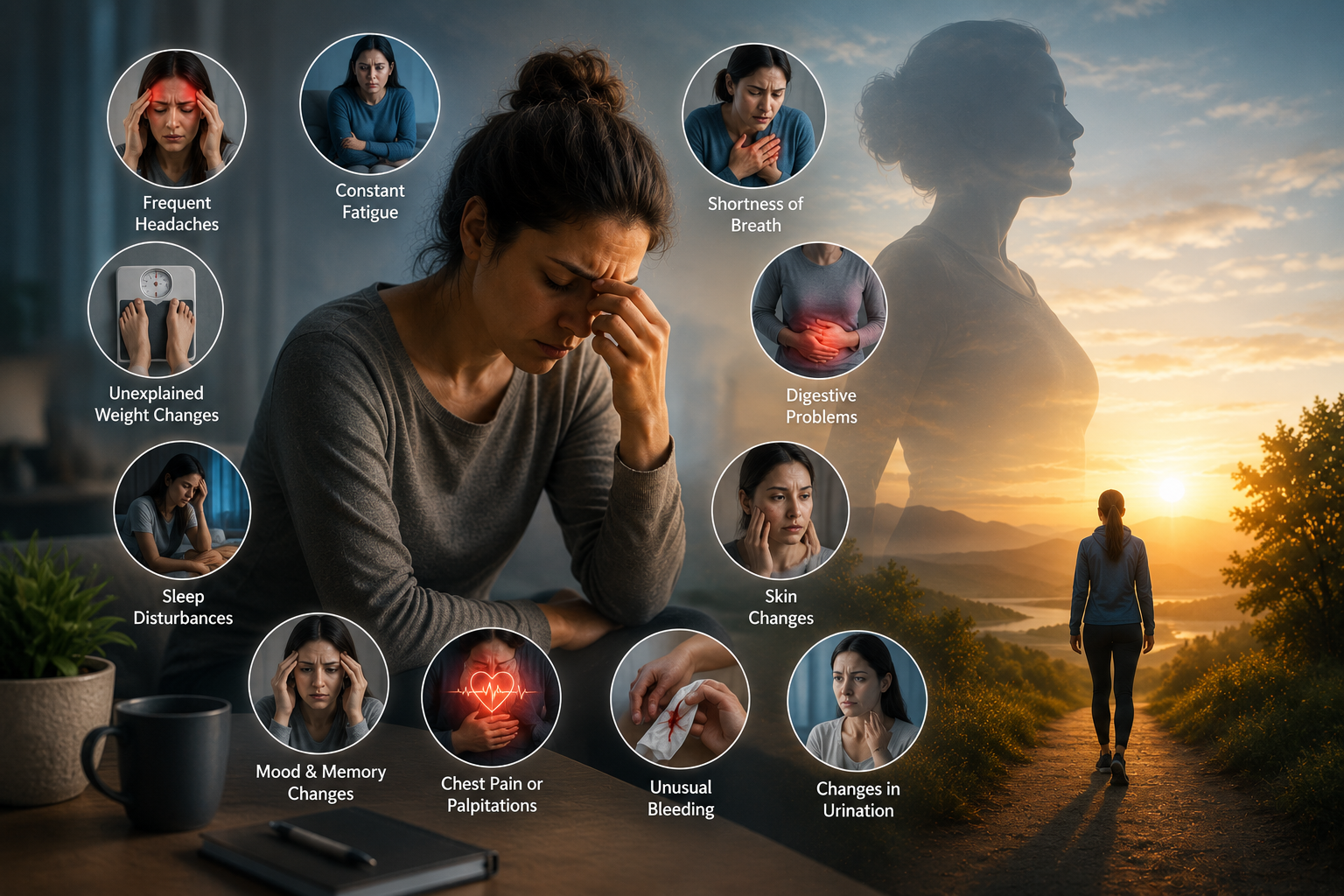
Speak with a healthcare professional if you experience:
- Repeatedly irregular or missed periods
- Very heavy menstrual bleeding
- Persistent fatigue
- Unexplained weight changes
- Significant hair loss
- New or excessive facial hair
- Persistent acne
- Severe menstrual pain
- Difficulty becoming pregnant
- Persistent mood changes
- Significant sleep problems
- Other symptoms that interfere with daily life
These symptoms can have many possible causes, and proper evaluation is important.
A Simple Daily Routine for Hormonal Wellbeing
A practical routine could include:
Morning
- Drink water
- Eat a nutritious breakfast
- Get some natural light and movement
During the day
- Eat balanced meals
- Include vegetables, fruits, whole grains, and protein
- Stay physically active
- Take short breaks from prolonged sitting
Evening
- Choose a relaxing activity
- Reduce excessive screen exposure before bed
- Avoid heavy meals close to bedtime
- Maintain a consistent sleep schedule
Small habits practiced consistently are generally more sustainable than dramatic short-term changes.
Final Thoughts
Nutrition and daily habits cannot control every aspect of hormonal health, but they can provide a strong foundation for overall wellbeing. Balanced nutrition, regular movement, adequate sleep, stress management, and sustainable lifestyle choices can support metabolic, physical, and emotional health.
Most importantly, women should avoid assuming that every symptom is caused by a "hormonal imbalance." Persistent or unusual changes deserve proper medical evaluation.
Taking care of your body through consistent, realistic habits is one of the simplest ways to support your health throughout every stage of life.