Iron Deficiency and Hair Loss: Is There a Link?
Hair loss can happen for many different reasons, including genetics, hormonal changes, illness, stress, nutritional deficiencies and certain medical conditions. Iron deficiency is one possible contributor to hair loss, particularly when iron stores become significantly low.
Iron is essential for the body's normal functions, including the production of haemoglobin, which helps carry oxygen through the blood. When iron levels are low, some people may develop symptoms such as tiredness, weakness and, in some cases, increased hair shedding.
However, hair loss is complex. Having low iron does not automatically mean that it is the only cause of hair loss. A proper evaluation can help identify the underlying reason.
What Is Iron Deficiency?
Iron deficiency occurs when the body's iron stores are lower than needed.
If the deficiency becomes severe enough to reduce haemoglobin, it can lead to iron-deficiency anaemia.
Common symptoms of iron-deficiency anaemia include:
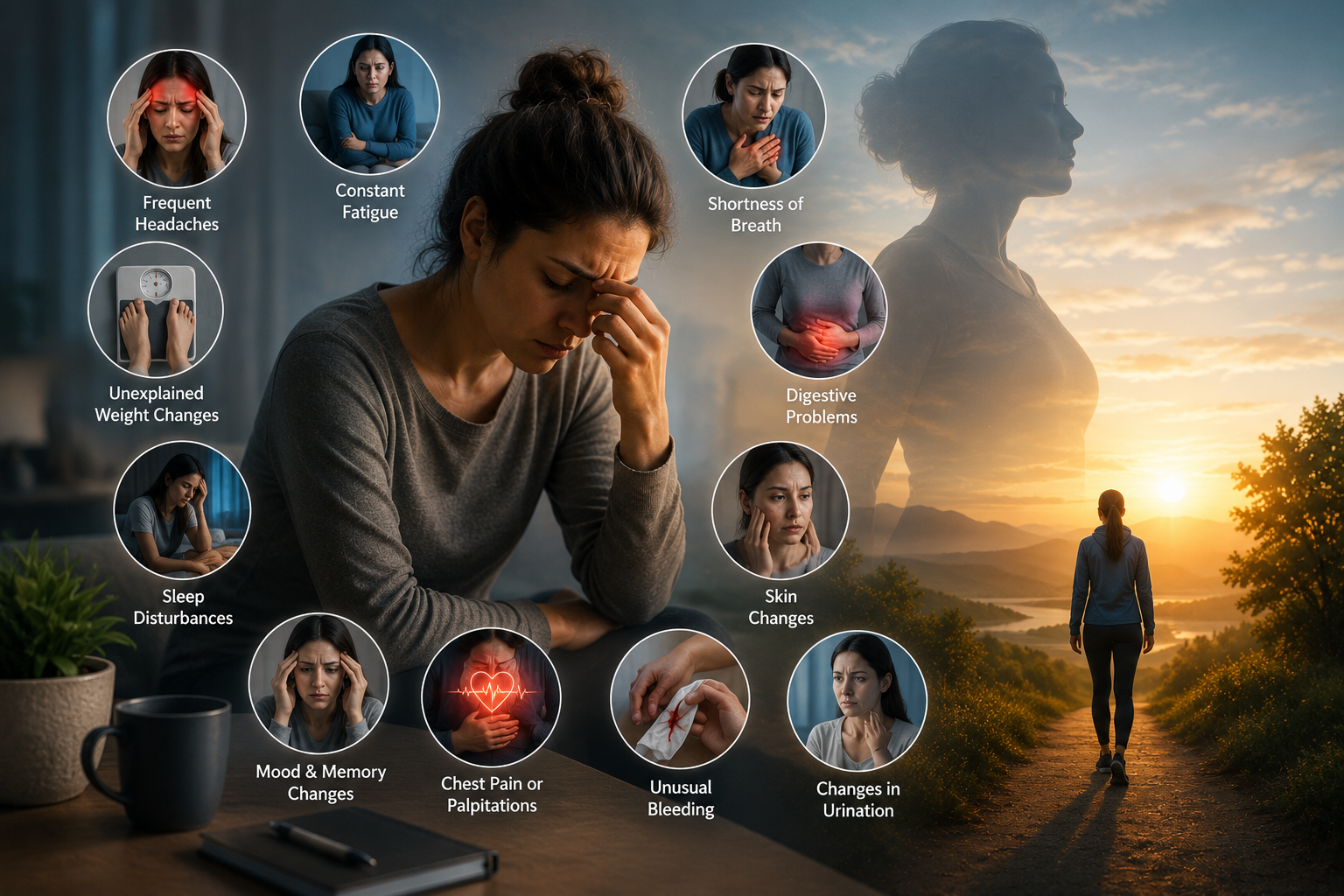
Tiredness and lack of energy
Shortness of breath
Headaches
Pale skin
Noticeable heartbeats or palpitations
Weakness
Hair loss can also occur as a symptom of iron deficiency or iron-deficiency anaemia.
How Can Iron Deficiency Affect Hair?
Hair follicles require nutrients to maintain their normal growth cycle. When the body does not have adequate iron, hair growth may be affected in some people.
Iron deficiency has been associated with increased hair shedding, and iron deficiency is also recognized as one possible cause of temporary hair loss.
One pattern that may occur is diffuse hair shedding, where more hair than usual is noticed on the pillow, in the shower or while brushing.
However, not every person with hair loss has iron deficiency, and correcting iron levels will not necessarily resolve every type of hair loss.
Signs That Your Hair Loss May Need Attention
You may notice:
More hair falling while washing or brushing
A thinner ponytail
Overall thinning across the scalp
Increased hair on your pillow or clothing
A widening hair part
Reduced hair density
These signs can have many causes. Female pattern hair loss, for example, is a common cause of hair thinning in women and usually has a different underlying mechanism.
Why Do Women Develop Iron Deficiency?
Women can be particularly vulnerable to iron deficiency because of menstrual blood loss.
Possible causes include:
Heavy Periods
Regular heavy menstrual bleeding can result in ongoing blood loss and may contribute to iron deficiency over time.
Pregnancy
The body's iron requirements increase during pregnancy. Insufficient iron intake or increased demand can contribute to iron deficiency.
Low Dietary Iron
People who do not consume enough iron-rich foods may have difficulty meeting their body's requirements.
Problems Absorbing Iron
Certain digestive conditions or other medical issues can interfere with the body's ability to absorb nutrients.
Blood Loss
Blood loss from other sources can also contribute to iron deficiency. The underlying cause should be investigated rather than simply treating the low iron level.
What Tests Can Check for Iron Deficiency?
If a healthcare professional suspects iron deficiency, they may recommend blood tests.
Depending on the situation, testing may include:
Complete blood count (CBC)
Haemoglobin
Ferritin
Other iron studies when appropriate
Ferritin is commonly used to assess the body's stored iron. Low ferritin can be an important indicator of depleted iron stores, even before anaemia becomes apparent in some people.
If hair loss is significant, a healthcare professional may also consider other possible causes and tests based on your medical history and examination. The American Academy of Dermatology notes that blood tests may be used when hair loss could be related to a nutritional deficiency, hormone imbalance or another medical condition.
Does Low Ferritin Always Cause Hair Loss?
Not necessarily.
Low iron stores can be associated with hair loss, but hair loss has many possible causes. A person may have low ferritin and hair loss without iron deficiency being the only explanation.
For this reason, it is important to look at the complete clinical picture rather than assuming that every case of hair loss is caused by low iron.
Can Iron Supplements Stop Hair Loss?
If testing confirms iron deficiency, a healthcare professional may recommend iron replacement.
However, iron supplements should not be taken routinely just because hair is falling out.
The American Academy of Dermatology recommends taking iron supplements when blood testing shows a deficiency. Taking excessive iron can be harmful and may cause iron poisoning.
The appropriate dose and duration depend on the individual's iron levels, underlying cause and medical history.
Foods That Contain Iron
A balanced diet can help provide iron.
Iron-containing foods include:
Lentils and beans
Chickpeas
Green leafy vegetables
Nuts and seeds
Eggs
Meat and poultry
Fish and seafood
Iron-fortified foods
The amount of iron absorbed by the body varies depending on the food source and other dietary factors.
If you suspect iron deficiency, dietary changes alone may not be sufficient, particularly when there is significant blood loss or established anaemia.
What Else Can Cause Hair Loss?
Iron deficiency is only one possible cause.
Hair loss can also be associated with:
Female pattern hair loss
Thyroid disorders
Significant stress
Rapid weight loss
Pregnancy and postpartum hormonal changes
Certain medications
Nutritional deficiencies
Some scalp conditions
Autoimmune conditions
Hereditary factors
Because different types of hair loss require different approaches, identifying the cause is important.
When Should You See a Doctor?
Consider seeking medical advice if:
Hair loss is sudden or increasing rapidly.
You notice significant thinning or bald patches.
Your periods are unusually heavy.
You experience persistent tiredness or weakness.
You feel dizzy or short of breath.
You have pale skin or frequent headaches.
You have unexplained changes in your health along with hair loss.
Hair loss continues despite changes in diet or routine.
A healthcare professional can assess your symptoms and determine whether blood tests or a dermatology evaluation are appropriate.
Can Hair Grow Back After Iron Deficiency Is Corrected?
If iron deficiency is contributing to temporary hair shedding, addressing the deficiency may allow the normal hair-growth cycle to recover.
However, hair growth is gradual, and improvement does not happen immediately. The outcome also depends on whether another cause of hair loss is present.
If the hair loss has another underlying cause, treating iron deficiency alone may not stop it.
Frequently Asked Questions
Can low iron cause hair loss?
Yes. Iron deficiency is recognized as one possible cause of hair loss, although it is not the only possible cause.
Is hair loss a symptom of iron-deficiency anaemia?
It can be. Hair loss is listed as a less common symptom of iron-deficiency anaemia.
Should I take iron tablets for hair loss?
Do not start iron supplements solely because you are experiencing hair loss. Testing can determine whether you actually have iron deficiency, and excessive iron can be harmful.
Can heavy periods cause low iron?
Yes. Repeated blood loss from heavy menstrual periods can contribute to iron deficiency.
What blood test checks iron stores?
Ferritin is commonly used to assess stored iron. Depending on the situation, a healthcare professional may recommend a complete blood count and other iron studies as well.
Will my hair definitely grow back after treating iron deficiency?
Not necessarily. If iron deficiency is contributing to temporary shedding, hair may recover after the deficiency is corrected. But other causes of hair loss may require separate evaluation and treatment.
Final Thoughts
Iron deficiency can be an important and sometimes overlooked factor in hair shedding, particularly in women with heavy menstrual bleeding, pregnancy-related increased iron requirements or inadequate iron intake.
At the same time, hair loss should not automatically be blamed on low iron. There are many possible causes, and identifying the underlying problem is the first step toward appropriate care.
If you are experiencing persistent hair loss, fatigue, heavy periods or other symptoms associated with iron deficiency, consider discussing your symptoms with a qualified healthcare professional. Appropriate blood testing can help determine whether iron deficiency is present and whether treatment is needed.
Medical Disclaimer: This article is intended for general educational purposes only. It does not replace a medical examination, diagnosis or individualized treatment plan. Do not start iron supplementation without appropriate medical advice and, when indicated, testing.