Iron Deficiency in Women: Early Signs You Should Not Ignore
Introduction
Iron is an essential mineral that the body needs to produce hemoglobin, a protein in red blood cells that carries oxygen throughout the body. When the body does not have enough iron, it may first use its stored iron. If the deficiency continues, it can eventually lead to iron-deficiency anemia.
Women can be particularly vulnerable to iron deficiency because of menstrual blood loss, pregnancy, increased nutritional needs, restrictive diets, and certain health conditions. Recognizing the early signs can encourage timely evaluation and treatment.
Iron deficiency can develop gradually, so some women may not realize that their symptoms are related to low iron levels.
What Is Iron Deficiency?
Iron deficiency occurs when the body's iron stores are too low to meet its needs.
There are different stages of iron deficiency. A person may have depleted iron stores before developing anemia. If the deficiency becomes more severe, the body may not be able to produce enough healthy hemoglobin, resulting in iron-deficiency anemia.
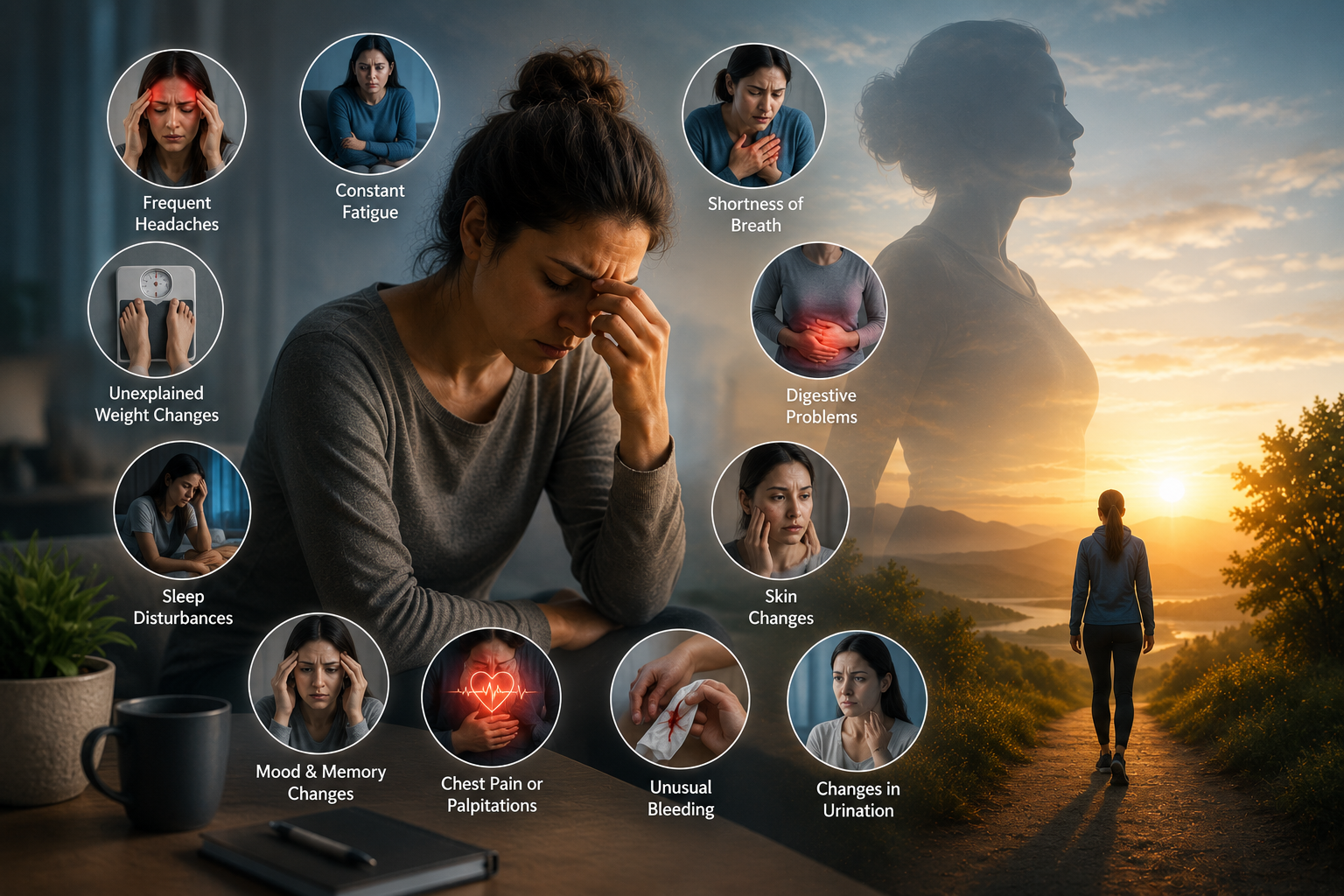
Common symptoms of iron-deficiency anemia can include tiredness, weakness, dizziness, headaches, shortness of breath, and pale skin.
Why Are Women More Prone to Iron Deficiency?
Several factors can increase a woman's risk of iron deficiency.
1. Menstrual Blood Loss
Regular menstrual periods are one of the most common reasons women may lose iron.
Women who experience heavy or prolonged menstrual bleeding may lose more iron than they can replace through their diet.
If periods are consistently very heavy, it is important to discuss this with a healthcare professional rather than simply assuming that heavy bleeding is normal.
2. Pregnancy
Iron requirements increase during pregnancy because the body needs to support the growth of the baby and placenta and produce additional blood.
Pregnant women may therefore be at increased risk of iron deficiency and are often monitored for anemia during pregnancy.
3. Low-Iron Diet
Iron can be obtained from both animal and plant foods.
Good sources include:
- Lentils
- Beans
- Chickpeas
- Spinach and other leafy vegetables
- Nuts and seeds
- Fortified cereals
- Meat
- Poultry
- Seafood
- Eggs
Women following vegetarian or vegan diets can obtain sufficient iron from plant foods, but planning a varied diet is important.
4. Problems Absorbing Iron
Some digestive conditions can interfere with nutrient absorption and increase the risk of iron deficiency.
Conditions affecting the stomach or intestines, as well as certain gastrointestinal surgeries, may reduce the body's ability to absorb iron.
5. Blood Loss From Other Causes
Menstrual bleeding is not the only possible source of iron loss.
Persistent gastrointestinal bleeding, certain medical conditions, or frequent blood donation can also contribute to iron deficiency.
Unexplained iron deficiency should therefore be evaluated to identify the underlying cause.
Early Signs of Iron Deficiency in Women
Iron deficiency can develop slowly, and symptoms may initially be subtle.
1. Persistent Tiredness
Feeling tired after a particularly busy day is normal. However, persistent or unusual fatigue can be a sign of iron deficiency or anemia.
When hemoglobin levels become low, the body's tissues may receive less oxygen, which can contribute to tiredness and reduced energy.
If fatigue continues despite adequate sleep and rest, it is worth discussing with a healthcare professional.
2. Weakness
Some women with iron-deficiency anemia experience general weakness or reduced physical endurance.
Activities that were previously easy may begin to feel more difficult.
This can sometimes be mistaken for stress, lack of sleep, or simply being busy.
3. Headaches and Dizziness
Headaches and dizziness can have many possible causes.
However, they can occur alongside iron-deficiency anemia, particularly when hemoglobin levels become significantly reduced.
Frequent or unexplained headaches or dizziness should be medically evaluated rather than automatically attributed to low iron.
4. Shortness of Breath
A woman who previously tolerated normal physical activity may notice that she becomes breathless more easily.
Walking quickly, climbing stairs, or exercising may suddenly feel more difficult.
Shortness of breath can have many causes and should not automatically be assumed to result from iron deficiency.
5. Pale Skin
Reduced hemoglobin can sometimes make the skin, lips, or inside of the lower eyelids appear paler than usual.
However, skin tone naturally varies, so changes in appearance alone cannot diagnose iron deficiency.
6. Hair Shedding
Some women notice increased hair shedding when they have nutritional deficiencies, including iron deficiency.
However, hair loss has many potential causes, including genetics, hormonal changes, stress, thyroid problems, illness, and nutritional factors.
If significant hair shedding occurs alongside fatigue or other symptoms, discussing the issue with a healthcare professional may help identify the cause.
7. Brittle or Weak Nails
Iron deficiency can sometimes be associated with changes in the nails.
In more pronounced cases, nails may become fragile or develop an unusual shape.
However, nail changes can also occur because of other nutritional deficiencies, trauma, or health conditions.
8. Feeling Cold
Some people with iron deficiency or anemia report feeling unusually cold, particularly in their hands and feet.
This symptom is nonspecific, meaning it can occur for many other reasons as well.
9. Difficulty Concentrating
Low energy and anemia may affect concentration and the ability to stay mentally focused.
A woman may feel mentally tired, less productive, or unusually forgetful.
Again, these symptoms are not specific to iron deficiency and should be considered alongside other signs.
10. Unusual Cravings
One unusual symptom associated with iron deficiency is pica, a condition in which a person develops cravings for substances that have little or no nutritional value.
Examples can include ice, clay, soil, or other non-food substances.
A persistent craving to chew or eat non-food substances should be discussed with a healthcare professional because it can be associated with iron deficiency.
Iron Deficiency and Heavy Periods
Heavy menstrual bleeding deserves particular attention.
A woman may have heavier periods if she needs to change a pad or tampon very frequently, experiences bleeding for longer than usual, passes large blood clots, or finds that menstrual bleeding significantly interferes with daily activities.
Repeated blood loss can gradually reduce iron stores.
If heavy periods are accompanied by fatigue, weakness, dizziness, or breathlessness, medical evaluation is especially important.
The underlying reason for heavy menstrual bleeding should also be investigated rather than treating only the resulting iron deficiency.
How Is Iron Deficiency Diagnosed?
Symptoms alone cannot confirm iron deficiency.
A healthcare professional may recommend blood tests based on symptoms, medical history, diet, menstrual history, pregnancy status, and other risk factors.
Common tests may include:
- Complete blood count (CBC)
- Hemoglobin
- Hematocrit
- Serum ferritin
- Serum iron
- Transferrin or total iron-binding capacity
- Transferrin saturation
Ferritin is commonly used to assess the body's stored iron, although its interpretation can be affected by inflammation and other factors.
The appropriate tests depend on the individual's circumstances.
Iron-Rich Foods for Women
A balanced diet can help provide the iron the body needs.
Animal Sources
Iron from animal foods, often called heme iron, is generally absorbed more efficiently.
Sources include:
- Lean meat
- Poultry
- Fish
- Shellfish
- Liver
Plant Sources
Plant-based sources include:
- Lentils
- Beans
- Chickpeas
- Tofu
- Spinach
- Peas
- Nuts
- Seeds
- Fortified breakfast cereals
Vegetarian sources can contribute significantly to iron intake when included regularly as part of a varied diet.
How Vitamin C Can Help
Vitamin C can improve the absorption of non-heme iron found in plant foods.
Combining iron-containing foods with vitamin-C-rich foods can therefore be a useful dietary strategy.
For example:
Lentils + tomatoes
Chickpeas + lemon
Spinach + bell peppers
Fortified cereal + strawberries
Vitamin C-rich foods include oranges, guava, strawberries, kiwi, tomatoes, bell peppers, and many other fruits and vegetables.
What Can Reduce Iron Absorption?
Some foods and beverages contain compounds that can reduce the absorption of non-heme iron when consumed around the same time.
These include:
- Tea
- Coffee
- Some calcium-rich foods or supplements
- Certain medications
This does not mean these foods need to be eliminated.
Instead, if iron deficiency has been diagnosed, a healthcare professional or dietitian can advise on meal timing and appropriate dietary changes.
Should Women Take Iron Supplements?
Iron supplements can be helpful when iron deficiency has been confirmed or when a healthcare professional recommends them.
However, taking iron supplements without identifying the reason for low iron is not always appropriate.
Too much iron can be harmful and may cause side effects such as:
- Constipation
- Nausea
- Abdominal discomfort
- Vomiting
- Diarrhea
Very high iron intake can cause serious toxicity.
The correct dose and duration depend on the severity and cause of the deficiency.
If a woman has iron deficiency because of heavy menstrual bleeding or another source of ongoing blood loss, treating the underlying cause is also important.
Simple Ways to Support Healthy Iron Levels
1. Eat a Varied Diet
Include different iron-containing foods throughout the week.
2. Combine Plant Iron With Vitamin C
Adding fruits or vegetables rich in vitamin C can help improve iron absorption.
3. Pay Attention to Heavy Periods
If menstrual bleeding is unusually heavy or prolonged, seek medical advice.
4. Avoid Self-Diagnosing
Fatigue and hair loss can have many causes. Blood testing may be necessary to determine whether iron deficiency is actually present.
5. Follow Supplement Advice Carefully
If iron supplements are prescribed, follow the recommended dose and duration.
6. Address the Underlying Cause
Treating low iron without finding out why it occurred may allow the problem to return.
When Should You See a Healthcare Professional?
Women should consider seeking professional advice if they experience persistent:
- Fatigue
- Weakness
- Dizziness
- Breathlessness
- Headaches
- Hair shedding
- Pale appearance
- Heavy menstrual bleeding
- Unusual cravings for non-food substances
Medical attention is particularly important if symptoms are severe, worsening, or interfering with daily activities.
Sudden severe breathlessness, chest pain, fainting, or significant bleeding requires urgent medical attention.
A Holistic Approach to Women's Health
Iron is only one part of a woman's overall nutritional and physical health.
Adequate nutrition, regular physical activity, quality sleep, stress management, menstrual health, and preventive healthcare all contribute to well-being.
Women experiencing persistent symptoms should receive appropriate evaluation rather than assuming that one nutrient is responsible.
Complementary approaches, including homeopathy, should not replace blood testing, diagnosis, iron replacement when medically indicated, or treatment of an underlying source of blood loss.
Final Thoughts
Iron deficiency can develop gradually, and its early signs can sometimes look like ordinary tiredness or the effects of a busy lifestyle.
Persistent fatigue, weakness, dizziness, breathlessness, unusual cravings, hair shedding, or heavy menstrual bleeding should not simply be ignored.
A balanced diet can support healthy iron intake, while appropriate blood tests can help determine whether deficiency is actually present.
Listening to your body's signals and investigating persistent symptoms early can help protect your energy, health, and quality of life.