Managing Everyday Stress for Better Women’s Wellness
Stress is a normal part of everyday life. Work responsibilities, family commitments, relationships, financial concerns, social expectations, and major life changes can all contribute to stress. A certain amount of stress can help people respond to challenges, but ongoing or excessive stress can affect emotional and physical well-being.
For women, stress may also interact with different stages of life, including menstruation, pregnancy, the postpartum period, perimenopause, and menopause. Learning practical ways to manage everyday stress can support better overall wellness and help women feel more balanced in their daily lives.
What Is Everyday Stress?
Stress is the body's response to situations that feel challenging, demanding, or threatening. It can affect thoughts, emotions, behavior, and physical functioning.
Short-term stress may help a person focus and respond to a situation. However, when stress continues for a long time without adequate recovery, it may contribute to problems such as poor sleep, fatigue, difficulty concentrating, irritability, and other health concerns.
Everyone experiences stress differently, so recognizing personal stress triggers is an important first step.
Common Causes of Stress in Women
Women may experience stress from many areas of life, including:
- Work and career responsibilities
- Academic pressure
- Family and household responsibilities
- Relationship difficulties
- Financial concerns
- Parenting responsibilities
- Lack of sleep
- Major life changes
- Social expectations
- Caring for family members
- Health concerns
- Menstrual-cycle-related changes
- Pregnancy and postpartum adjustments
- Perimenopause and menopause
Understanding the sources of stress can make it easier to identify practical ways to manage them.
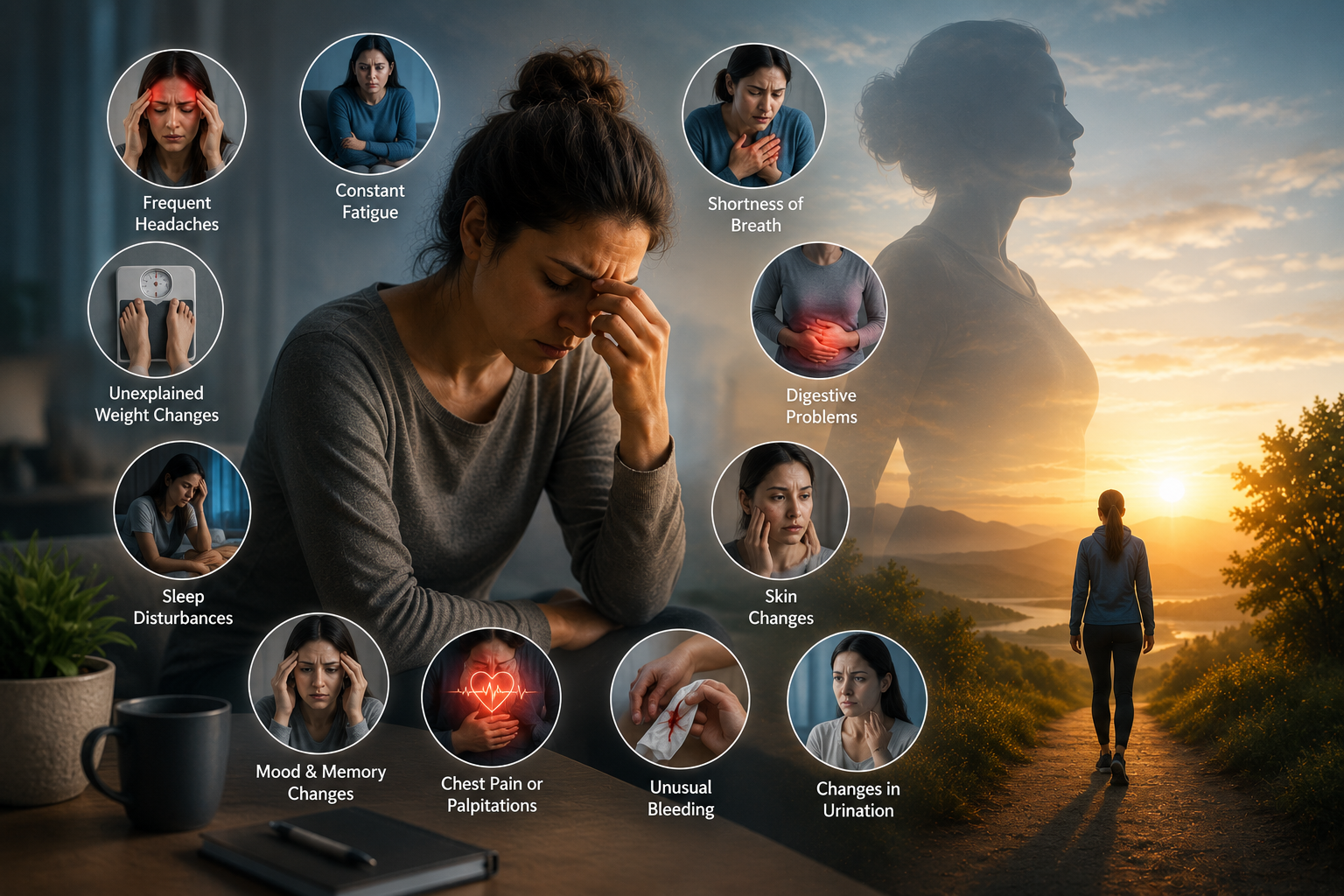
Signs That Stress May Be Affecting You
Stress can affect everyone differently. Some common signs include:
- Feeling overwhelmed
- Irritability or frustration
- Difficulty concentrating
- Feeling constantly worried
- Low energy
- Headaches
- Muscle tension
- Changes in appetite
- Difficulty sleeping
- Reduced motivation
- Withdrawing from social activities
Occasional stress is normal. However, persistent symptoms that interfere with daily life deserve attention.
1. Identify Your Stress Triggers
One of the first steps toward managing stress is understanding what causes it.
Consider keeping a simple record of stressful situations. Write down:
- What happened
- How you felt
- How you responded
- What helped
- What made the situation worse
Over time, patterns may become easier to recognize. Identifying recurring triggers can help you make practical changes to your routine.
2. Practice Deep Breathing
Simple breathing exercises can provide a short opportunity to pause during stressful situations.
Try sitting comfortably, relaxing your shoulders, and taking slow, controlled breaths. Focus your attention on the movement of your breathing rather than the stressful situation.
Even a few minutes of quiet breathing may help create a sense of calm and provide time to respond rather than react.
3. Make Physical Activity Part of Your Routine
Regular physical activity is beneficial for both physical and mental well-being.
You do not necessarily need an intensive workout. Activities such as:
- Walking
- Yoga
- Stretching
- Cycling
- Swimming
- Dancing
- Strength exercises
can be incorporated according to your fitness level and preferences.
Choosing an activity that you enjoy can make it easier to maintain consistently.
4. Prioritize Quality Sleep
Sleep and stress are closely connected. Stress can make it difficult to sleep, while inadequate sleep can make everyday challenges feel more difficult to manage.
Try to:
- Maintain a regular sleep schedule
- Reduce unnecessary screen use before bedtime
- Keep your bedroom comfortable and quiet
- Avoid consuming excessive caffeine late in the day
- Create a relaxing bedtime routine
If sleep problems persist, consider discussing them with a healthcare professional.
5. Eat a Balanced Diet
Nutrition is an important part of overall wellness.
A balanced eating pattern can include:
- Vegetables and fruits
- Whole grains
- Pulses and beans
- Protein-rich foods
- Nuts and seeds
- Healthy fats
Regular meals and adequate hydration can also help support energy levels throughout the day.
Food should not be viewed as a way to eliminate stress, but healthy nutrition can provide a strong foundation for overall well-being.
6. Set Realistic Priorities
Trying to complete everything at once can increase feelings of stress.
Instead, organize your responsibilities based on importance and urgency.
A simple approach is to divide tasks into:
Important and urgent: Complete first.
Important but not urgent: Schedule time for them.
Less important: Complete when time allows or delegate when possible.
Setting realistic priorities can help make busy days feel more manageable.
7. Learn to Say No
Women may sometimes feel pressure to meet everyone's expectations.
Taking on too many responsibilities can leave little time for rest or personal needs.
Learning to politely decline unnecessary commitments can help protect your time and energy.
Saying no does not mean you do not care about others. It can be an important part of maintaining healthy boundaries.
8. Stay Connected With Supportive People
Strong social connections can provide emotional support during stressful periods.
Talking with a trusted friend, family member, partner, colleague, or support group may help you feel less isolated.
You do not always need someone to solve the problem. Sometimes being heard and understood can be valuable in itself.
9. Make Time for Yourself
Self-care does not have to involve expensive products or complicated routines.
It can include simple activities such as:
- Reading
- Listening to music
- Spending time outdoors
- Gardening
- Practicing a hobby
- Taking a relaxing bath
- Enjoying a cup of tea
- Writing in a journal
- Spending quiet time alone
Even small periods of personal time can provide an opportunity to rest and recharge.
10. Practice Mindfulness
Mindfulness involves paying attention to the present moment without immediately judging your thoughts or feelings.
Simple mindfulness practices may include focusing on your breathing, observing your surroundings, or paying attention to everyday activities such as eating or walking.
The goal is not to eliminate thoughts but to develop greater awareness of them.
11. Organize Your Day
A realistic daily routine can reduce the feeling of constantly having to catch up.
Consider planning your day the night before or in the morning. Include time for:
- Work or study
- Meals
- Physical activity
- Breaks
- Family responsibilities
- Personal activities
- Sleep
Avoid filling every available minute with tasks. Leaving some flexibility can make unexpected situations easier to handle.
12. Reduce Unnecessary Digital Stress
Constant notifications, social media, emails, and online information can contribute to mental overload.
Consider setting specific periods when you check messages rather than responding to every notification immediately.
Taking short breaks from social media can also provide an opportunity to focus on real-world activities and relationships.
Managing Stress During Different Life Stages
During the Menstrual Cycle
Some women notice changes in mood, energy, or stress levels around certain phases of their menstrual cycle.
Keeping track of symptoms can help identify patterns and may make it easier to plan rest and self-care when needed.
During Pregnancy
Pregnancy can involve physical changes, emotional adjustments, and new responsibilities. Women experiencing significant or persistent emotional difficulties during pregnancy should discuss them with a qualified healthcare professional.
After Childbirth
The postpartum period can be physically and emotionally demanding. Sleep disruption, changing responsibilities, and recovery from childbirth can all contribute to stress.
Women who experience persistent sadness, severe anxiety, hopelessness, or difficulty functioning should seek professional support.
During Perimenopause and Menopause
Hormonal changes during the menopause transition can be accompanied by changes in sleep, mood, and physical well-being.
Maintaining healthy routines and discussing troublesome symptoms with a healthcare professional can help women manage this stage more comfortably.
When Should You Seek Professional Help?
Lifestyle strategies can help manage everyday stress, but professional support may be appropriate when stress becomes difficult to manage.
Consider speaking with a healthcare or mental health professional if you experience:
- Persistent anxiety or sadness
- Severe sleep problems
- Frequent panic or overwhelming worry
- Difficulty performing everyday responsibilities
- Significant changes in appetite
- Loss of interest in activities
- Social withdrawal
- Stress that continues for a prolonged period
- Thoughts of self-harm or suicide
Seeking professional support is not a sign of weakness. It is an important part of taking care of your health.
Building a Sustainable Stress-Management Routine
Managing stress does not require changing your entire lifestyle at once.
Start with one or two realistic habits, such as taking a daily walk, improving your sleep routine, practicing breathing exercises, or setting aside a few minutes for yourself.
Once these habits become comfortable, additional healthy practices can be introduced gradually.
Consistency is generally more sustainable than trying to make several major changes at the same time.
Final Thoughts
Everyday stress is unavoidable, but it can be managed through healthy habits, realistic expectations, supportive relationships, and appropriate professional care.
Regular physical activity, quality sleep, balanced nutrition, mindfulness, personal time, healthy boundaries, and effective time management can all contribute to better overall wellness.
Women should also pay attention to persistent emotional or physical symptoms rather than assuming they are simply caused by everyday stress.
Managing stress is not about creating a life without challenges. It is about developing healthy ways to respond to challenges while making time for your physical, emotional, and mental well-being.