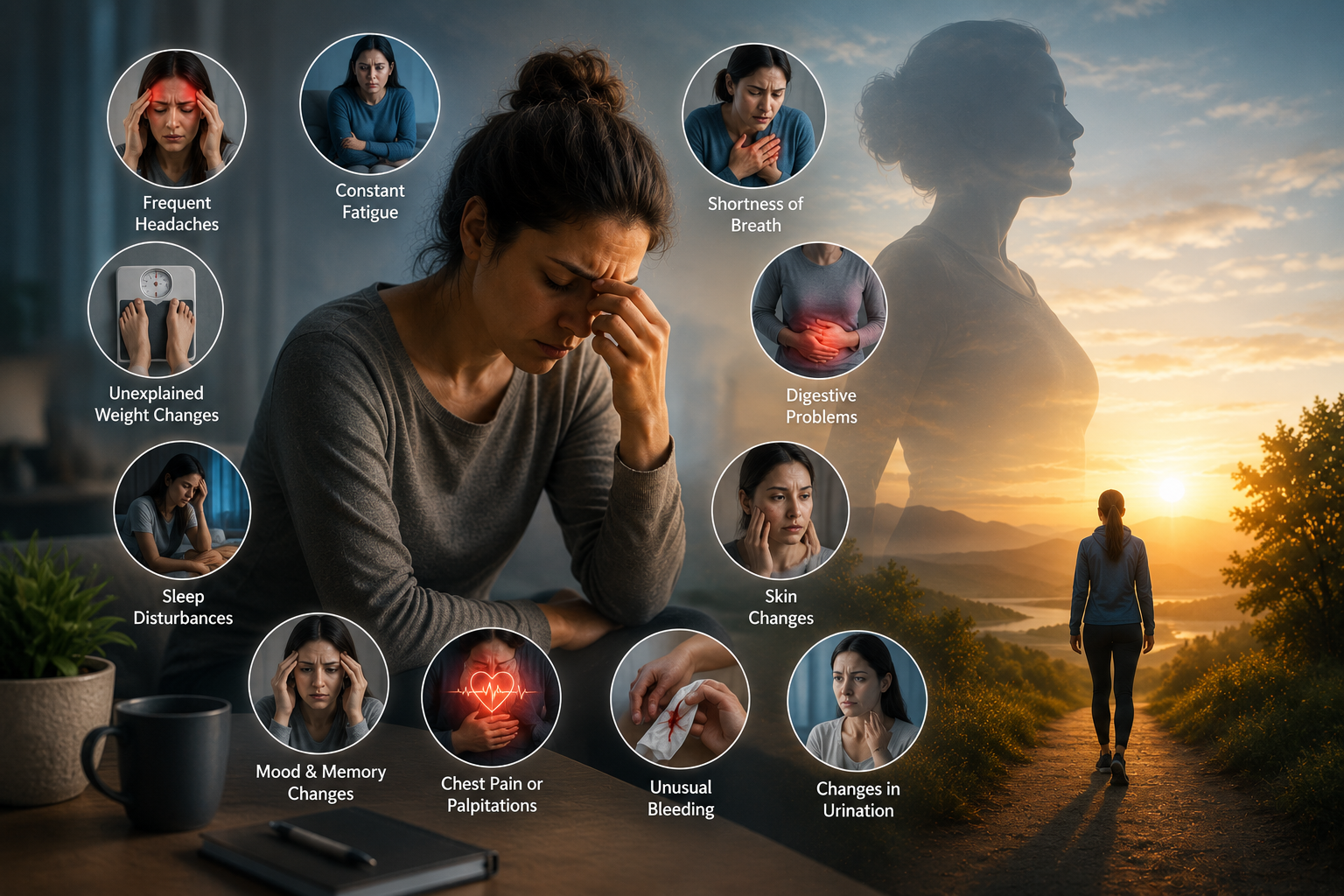
PCOS and Hormonal
Imbalance: Early Signs Women Should Not Ignore
Polycystic
Ovary Syndrome, commonly known as PCOS, is a hormonal and metabolic condition
that can affect menstrual cycles, skin, hair, body weight, fertility and
emotional well-being. It is not simply an ovarian problem, and a woman does not
necessarily need to have ovarian cysts to be diagnosed with PCOS.
According
to the World Health Organization, PCOS affects an estimated 10–13% of women of
reproductive age, and many affected women remain undiagnosed. Recognising the
early signs and receiving proper medical guidance can help women manage
symptoms and protect their long-term health.
What Is PCOS?
PCOS
occurs when the ovaries and other hormone-regulating systems do not function in
their usual balance. Many women with PCOS have higher-than-usual levels of androgens,
which are hormones present in everyone but normally found at lower levels in
women.
Higher
androgen levels and irregular ovulation may lead to missed periods, acne,
excess facial hair, scalp hair thinning and difficulty becoming pregnant.
Insulin resistance is also common in PCOS and may contribute to weight gain and
an increased risk of type 2 diabetes.
Early Signs of PCOS
PCOS
symptoms vary from one woman to another. Some women experience several
symptoms, while others notice only one or two.
1. Irregular or Missed Periods
One of
the most common signs of PCOS is an irregular menstrual cycle. Periods may come
late, occur only a few times a year or stop for several months.
Occasional
changes can happen because of stress, illness, travel or changes in body
weight. However, repeatedly missed or highly irregular periods should be
discussed with a qualified doctor.
2. Persistent Acne
Hormonal
changes can increase oil production in the skin, causing acne on the face,
chest, shoulders or back. Acne that continues after adolescence or does not
improve with ordinary skincare may be connected to hormonal imbalance.
Acne
alone does not confirm PCOS, but it should not be ignored when it occurs with
irregular periods or unwanted hair growth.
3. Excess Facial or Body Hair
Some
women notice thick or dark hair developing on the chin, upper lip, chest,
stomach or back. This condition is known as hirsutism and may be caused by
increased androgen activity.
Hair
growth patterns are also influenced by genetics, so a doctor may recommend
hormone tests before identifying the cause.
4. Hair Thinning on the Scalp
While
unwanted hair may develop on the face or body, hair on the scalp may become
thinner. Some women notice a widening parting, reduced hair volume or increased
hair fall.
Nutritional
deficiencies, thyroid conditions, stress and other health issues can also cause
hair loss, making proper evaluation important.
5. Unexplained Weight Gain
PCOS does
not affect only women who are overweight. However, insulin resistance can make
weight management more difficult for some women, particularly around the
abdomen.
Sudden
weight changes should not automatically be blamed on PCOS. Thyroid problems,
medication, stress, sleep difficulties and lifestyle habits may also be
involved.
6. Dark Patches of Skin
Dark,
thick or velvety patches may appear around the neck, underarms, groin or
beneath the breasts. These changes can sometimes be associated with insulin
resistance.
Skin tags
may also develop in these areas. A medical professional may recommend checking
blood glucose levels when these symptoms are present.
7. Difficulty Becoming Pregnant
PCOS is a
common cause of irregular ovulation, which can make conception more difficult.
However, having PCOS does not mean that pregnancy is impossible.
Many
women with PCOS conceive naturally or with appropriate medical treatment.
Fertility care depends on age, menstrual patterns, overall health and
individual reproductive goals.
8. Mood Changes and Emotional Stress
Living
with irregular periods, acne, unwanted hair, weight concerns or fertility
difficulties can affect confidence and emotional health. Some women with PCOS
experience anxiety, low mood, stress or body-image concerns.
Mental
and emotional well-being should be treated as an important part of PCOS care
rather than an unrelated issue.
What Causes PCOS?
There is
no single confirmed cause of PCOS. It may develop because of a combination of
genetic, hormonal, metabolic and environmental factors.
Women may
have a greater chance of developing PCOS when close family members have similar
hormonal or metabolic conditions. Insulin resistance can also encourage the
ovaries to produce more androgens, which may interfere with normal ovulation.
PCOS is
not caused by laziness, poor hygiene or a lack of willpower. Women should not
be blamed for developing the condition.
How Is PCOS Diagnosed?
There is
no single test that can confirm PCOS in every woman. A doctor may ask about
menstrual cycles, acne, hair growth, weight changes, family history and
fertility concerns.
The
evaluation may include:
- A physical examination
- Blood tests to check hormone
and glucose levels
- Blood-pressure and
cholesterol checks
- Pelvic ultrasound when
clinically required
- Tests to rule out thyroid
problems and other hormonal conditions
PCOS is
commonly diagnosed when at least two recognised features are present: irregular
or absent ovulation, clinical or laboratory signs of higher androgen levels, or
polycystic ovarian appearance on ultrasound. Other possible causes must first
be considered.
An
ultrasound alone does not always confirm PCOS, and normal-looking ovaries do
not automatically rule it out.
Why Should PCOS Not Be Ignored?
Without
appropriate management, PCOS may increase the risk of long-term health
concerns, including:
- Type 2 diabetes
- High blood pressure
- Unhealthy cholesterol levels
- Fertility difficulties
- Pregnancy complications
- Thickening of the uterine
lining
- Anxiety and depression
Not every
woman with PCOS will develop these problems. Regular health checks, early
diagnosis and personalised treatment can help reduce the risks.
Lifestyle Habits That May Help
Lifestyle
care is an important part of PCOS management, regardless of body size.
Eat Balanced Meals
Choose
meals containing vegetables, fruits, whole grains, pulses, protein and healthy
fats. Reducing excessive sugary drinks, highly processed snacks and frequent
refined carbohydrates may support blood-glucose management.
Extreme
diets are usually difficult to maintain and should be avoided unless
recommended by a qualified dietitian.
Stay Physically Active
Walking,
cycling, yoga, strength training, dancing and other enjoyable activities can
support metabolic health and emotional well-being. Exercise should be selected
according to the individual’s fitness, health and comfort.
Maintain a Regular Sleep Routine
Poor
sleep may affect appetite, stress and metabolic health. Going to bed at a
consistent time and reducing screen use before sleep can support a healthier
routine.
Manage Stress
Meditation,
breathing exercises, hobbies, journaling and counselling may help manage
stress. Emotional support is particularly important for women experiencing
fertility concerns or changes in physical appearance.
Medical Treatment for PCOS
There is
no single treatment suitable for every woman. Treatment is usually selected
according to the main concern, such as irregular periods, acne, unwanted hair,
insulin resistance or difficulty conceiving.
A doctor
may recommend lifestyle changes, hormonal medicines, insulin-sensitising
medication, skin or hair treatments, or fertility medicines. PCOS symptoms can
often be controlled, although ongoing monitoring may be necessary.
Never
begin, stop or change prescribed medicine without consulting the treating
doctor.
Homeopathy and PCOS Care
Some
women choose homeopathy as a complementary approach while managing stress,
sleep difficulties or general well-being. However, current scientific evidence
does not establish homeopathy as an effective treatment for PCOS or any
specific health condition.
Homeopathy
should not replace medical investigations, diabetes screening, prescribed
medicines or fertility treatment. Anyone considering a homeopathic product
should inform their gynaecologist or physician, because some products may
contain active ingredients or interact with other treatment.
Safe and
responsible care requires coordination between all healthcare professionals
involved.
When Should You Consult a Doctor?
Consult a
qualified doctor when:
- Periods are repeatedly
irregular or absent
- There is sudden or excessive
facial hair growth
- Acne becomes severe or
persistent
- Hair thinning increases
noticeably
- Dark skin patches develop
around the neck or underarms
- Pregnancy is not occurring
despite regular attempts
- Weight changes happen
unexpectedly
- Symptoms are affecting
confidence or mental health
These
symptoms do not always mean PCOS, but they deserve proper examination.
Final Thoughts
PCOS is a
manageable condition, especially when it is recognised early. Irregular
periods, persistent acne, excess facial hair, scalp hair thinning and
unexplained weight changes should not be dismissed as ordinary problems.
A proper
diagnosis helps identify the real cause and allows treatment to be planned
according to the woman’s symptoms, health risks and future goals. With medical
guidance, balanced lifestyle habits, emotional support and regular monitoring,
women with PCOS can protect their health and lead active, fulfilling lives.