Persistent Low Energy: Everyday Habits That May Be Draining You
Do you often wake up feeling tired even after a full night's sleep? Do simple tasks feel harder than usual, or do you find yourself reaching for caffeine just to get through the day?
Occasional tiredness is normal. But when low energy becomes a regular part of your life, it is worth looking beyond the idea that you are simply "not resting enough." Persistent fatigue can be influenced by everyday habits such as poor sleep, irregular meals, dehydration, stress, inactivity, or excessive caffeine. It can also sometimes be related to an underlying health condition.
Let's look at some common habits that may be quietly draining your energy.
1. You Are Not Getting Enough Quality Sleep
Sleeping for several hours does not always mean you are getting restorative sleep.
An inconsistent bedtime, frequent nighttime waking, late-night screen use, or an uncomfortable sleep environment can affect sleep quality and leave you feeling tired during the day.
Most adults generally need around 7 to 9 hours of sleep, although individual needs vary.
Try this:
- Keep a consistent sleep and wake time.
- Reduce screen use before bed.
- Keep your bedroom comfortable, quiet and dark.
- Avoid heavy meals and caffeine close to bedtime.
- Give yourself time to relax before sleeping.
If you regularly wake up feeling unrefreshed or experience excessive daytime sleepiness, discuss it with a healthcare professional.
2. Skipping Meals May Leave You Running on Empty
Your body needs a regular supply of energy and nutrients to function throughout the day.
Skipping breakfast or going for many hours without eating may leave some people feeling weak, tired or unfocused. Relying heavily on sugary snacks can also create an eating pattern that does not provide balanced nutrition.
Instead of focusing only on how much you eat, consider the quality and regularity of your meals.
Try including:
- Whole grains
- Vegetables and fruits
- Protein-rich foods
- Healthy fats
- Iron-rich foods
- Adequate fluids
Regular meals and healthy snacks can help support energy throughout the day.
3. You May Not Be Drinking Enough Fluids
Even mild dehydration can contribute to feelings of tiredness.
This can become more noticeable during hot weather, exercise, illness or periods when you simply forget to drink water.
Keep water accessible throughout the day rather than waiting until you feel extremely thirsty.
However, drinking excessive amounts of water is not a solution for unexplained fatigue. Persistent low energy should not automatically be blamed on dehydration.
4. Too Much Caffeine May Be Creating an Energy Cycle
Coffee, tea and energy drinks can temporarily make you feel more alert. But caffeine consumed later in the day may interfere with sleep, potentially contributing to tiredness the following day.
This can create a cycle:
Tired ? more caffeine ? poorer sleep ? more tiredness ? more caffeine
If you depend heavily on caffeine, consider gradually reducing your intake rather than suddenly stopping it.
Pay particular attention to afternoon and evening caffeine if you have difficulty sleeping.
5. You Are Sitting Too Much
When you're exhausted, exercise may be the last thing you want to do.
However, regular physical activity can actually help improve energy over time. The NHS notes that even a short walk can provide an energy boost, with benefits increasing as physical activity becomes more regular.
You don't necessarily need an intense workout.
Start with:
- A 10 to 15-minute walk
- Gentle stretching
- Yoga
- Light cycling
- Taking the stairs
- Short movement breaks during work
The goal is to avoid spending most of the day completely inactive.
6. Chronic Stress May Be Exhausting You
Stress does not only affect your emotions. Ongoing stress can also contribute to physical and mental exhaustion.
Constant worrying, work pressure, family responsibilities and difficulty switching off can make it difficult to relax and sleep properly.
Stress is recognized as one possible contributor to fatigue.
Small habits may help:
- Take short breaks during busy days.
- Practice slow breathing.
- Spend time outdoors.
- Reduce unnecessary multitasking.
- Make time for enjoyable activities.
- Talk to someone you trust when you feel overwhelmed.
If stress, anxiety or low mood is significantly affecting your daily life, professional support can be helpful.
7. You May Be Overworking Without Enough Recovery
Being productive all day does not mean your body and mind have unlimited energy.
Long working hours, constant notifications, excessive exercise or inadequate rest can gradually leave you feeling depleted.
Pay attention to whether your fatigue becomes worse after particularly demanding days.
Building short periods of recovery into your routine can be just as important as staying productive.
8. Your Energy Problem Could Be More Than a Lifestyle Issue
Sometimes persistent fatigue is not caused by everyday habits.
Fatigue can occur with conditions such as anemia, thyroid disorders, diabetes, sleep disorders, chronic infections, depression and other medical conditions. Certain medicines can also contribute to tiredness.
For example, iron-deficiency anemia can cause tiredness and lack of energy and may also be associated with symptoms such as shortness of breath, palpitations, pale skin and headaches.
An underactive thyroid can also cause fatigue, along with symptoms such as feeling unusually cold, weight gain, constipation, dry skin and difficulty concentrating.
This is why persistent fatigue should not always be treated with supplements or energy drinks without understanding the underlying cause.
9. Your Sleep May Be Disturbed Without You Realizing It
Some people spend enough time in bed but still don't get restorative sleep.
Loud snoring, repeated nighttime waking, gasping or choking during sleep and excessive daytime sleepiness can sometimes indicate a sleep disorder such as sleep apnea.
If someone who sleeps near you notices unusual breathing patterns during the night, mention this to your healthcare professional.
10. Listen to Your Body Instead of Pushing Through Everything
It is easy to dismiss low energy as laziness or a lack of motivation.
But persistent fatigue is a symptom, not a character flaw.
Instead of immediately reaching for another cup of coffee, consider asking:
- How have I been sleeping?
- Am I eating regular, balanced meals?
- Am I drinking enough fluids?
- Have I been under unusual stress?
- Have I been physically active?
- Have I recently started a new medicine?
- Are there other symptoms occurring alongside my fatigue?
- How long has this been happening?
Keeping a simple energy diary for a week or two may help you identify patterns.
Record your sleep, meals, caffeine intake, activity, stress levels and when your energy drops during the day.
Simple Daily Habits That May Support Better Energy
You don't need to change everything at once.
Start with a few manageable habits:
Morning
- Wake up at a consistent time.
- Drink some water.
- Eat a balanced breakfast if you normally eat one.
- Get some natural light and gentle movement.
During the day
- Eat regular, nutritious meals.
- Stay hydrated.
- Take movement breaks.
- Avoid relying on caffeine throughout the day.
- Give yourself short mental breaks.
Evening
- Reduce stimulating activities before bed.
- Limit late caffeine.
- Create a relaxing bedtime routine.
- Aim for a consistent sleep schedule.
Small changes become more useful when practiced consistently.
When Should You See a Doctor?
You should consider speaking with a healthcare professional if your tiredness has continued for several weeks, is affecting your work or daily activities, or you cannot identify a reasonable explanation for it.
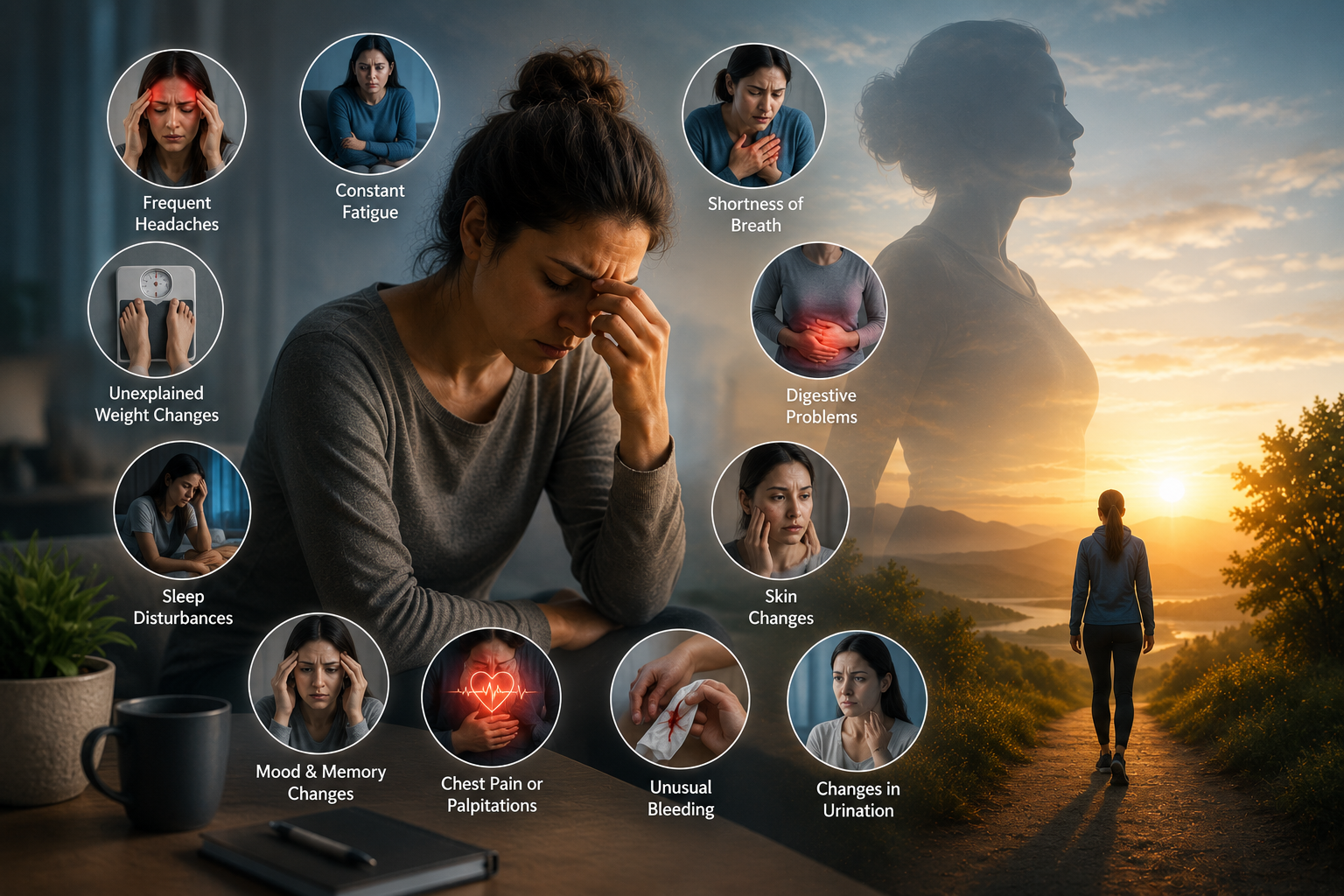
It is especially important to seek medical advice if fatigue occurs along with symptoms such as:
- Unexplained weight loss
- Persistent low mood
- Shortness of breath
- Heart palpitations
- Dizziness or fainting
- Significant changes in sleep
- Excessive thirst or frequent urination
- Unusual bleeding
- Feeling unusually cold
- Persistent weakness
Depending on your symptoms, a healthcare professional may consider blood or other tests to look for possible causes such as anemia, thyroid problems or diabetes.
Seek urgent medical attention if severe fatigue occurs with chest pain, significant shortness of breath, an irregular or very fast heartbeat, fainting, severe pain or unusual bleeding.
Final Thoughts
Persistent low energy can sometimes be traced back to surprisingly ordinary habits: inconsistent sleep, skipped meals, dehydration, too much caffeine, inactivity, stress or insufficient recovery.
But ongoing fatigue deserves attention, especially when lifestyle changes do not improve it.
Rather than constantly trying to push yourself through exhaustion, take a step back and look at what your body may be telling you. Improving everyday habits can be a useful starting point, while persistent or unexplained fatigue should be evaluated by a healthcare professional.
Disclaimer: This article is intended for general educational purposes and does not replace professional medical advice, diagnosis or treatment. If you have persistent or concerning symptoms, consult a qualified healthcare professional.