Premature Skin Aging: Causes and Prevention
Premature skin aging is a common skin concern in which signs of aging appear earlier than expected. Fine lines, wrinkles, uneven skin tone, dark spots, dryness, and loss of skin firmness may develop due to environmental exposure and everyday habits.
Although natural aging is unavoidable, certain factors can accelerate visible changes in the skin. The good news is that consistent skin care, sun protection, and healthy lifestyle habits can help reduce preventable damage and support healthier-looking skin.
In this article, we explore the common causes of premature skin aging, its early signs, and practical steps you can take to protect your skin.
What Is Premature Skin Aging?
Skin naturally changes as we grow older. The skin gradually becomes thinner, drier, and less elastic, while fine lines and wrinkles may become more noticeable.
Premature skin aging occurs when these visible changes develop earlier or progress faster than expected, often because of environmental and lifestyle factors. Sun exposure is one of the most important contributors to premature aging, also known as photoaging. <Cite refs={["turn734840search0","turn734840search3"]}/>
Premature aging does not necessarily indicate a medical problem. However, understanding its causes can help you make informed decisions about skin care and prevention.
Common Signs of Premature Skin Aging
The signs can vary depending on your skin type, genetics, age, and exposure to environmental factors.
1. Fine Lines and Wrinkles
Fine lines may first become noticeable around the eyes, forehead, and mouth. Repeated facial movements, sun exposure, and gradual changes in collagen and elastin can contribute to their development.
2. Uneven Skin Tone and Dark Spots
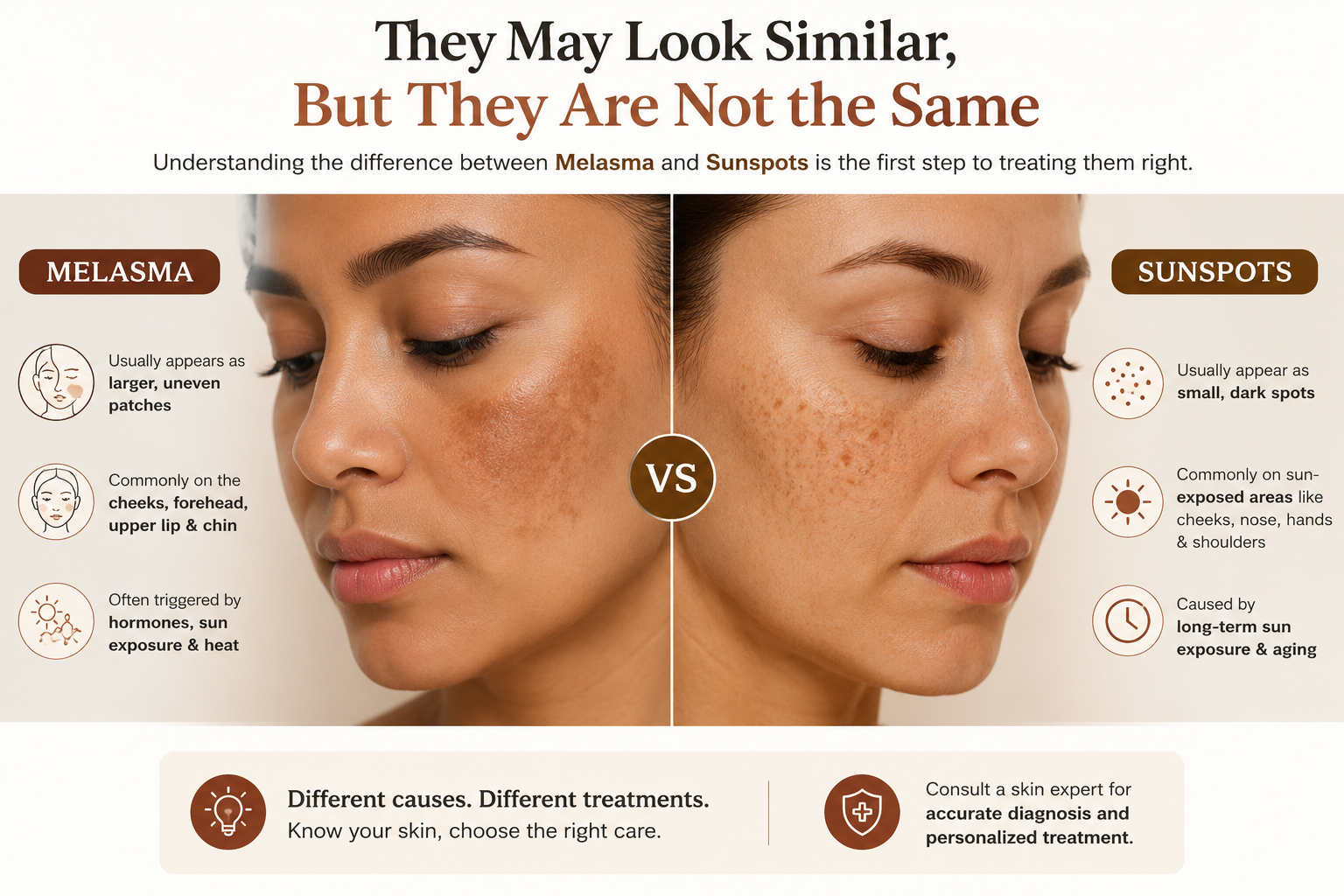
Sun exposure can stimulate pigmentation and contribute to dark spots, freckles, and an uneven complexion. These changes may become more noticeable over time.
3. Loss of Skin Firmness
Collagen and elastin help maintain the skin's structure and elasticity. As these components change with age and environmental damage, skin may begin to look less firm.
4. Dryness and Rough Texture
Skin may feel rough, flaky, or less supple when its protective barrier is affected. Harsh cleansers, excessive exfoliation, and environmental conditions can worsen dryness.
5. Dull-Looking Skin
Accumulated sun damage, dryness, smoking, and irritation can make skin appear less even or radiant. A dull appearance alone, however, cannot identify the underlying cause.
What Causes Premature Skin Aging?
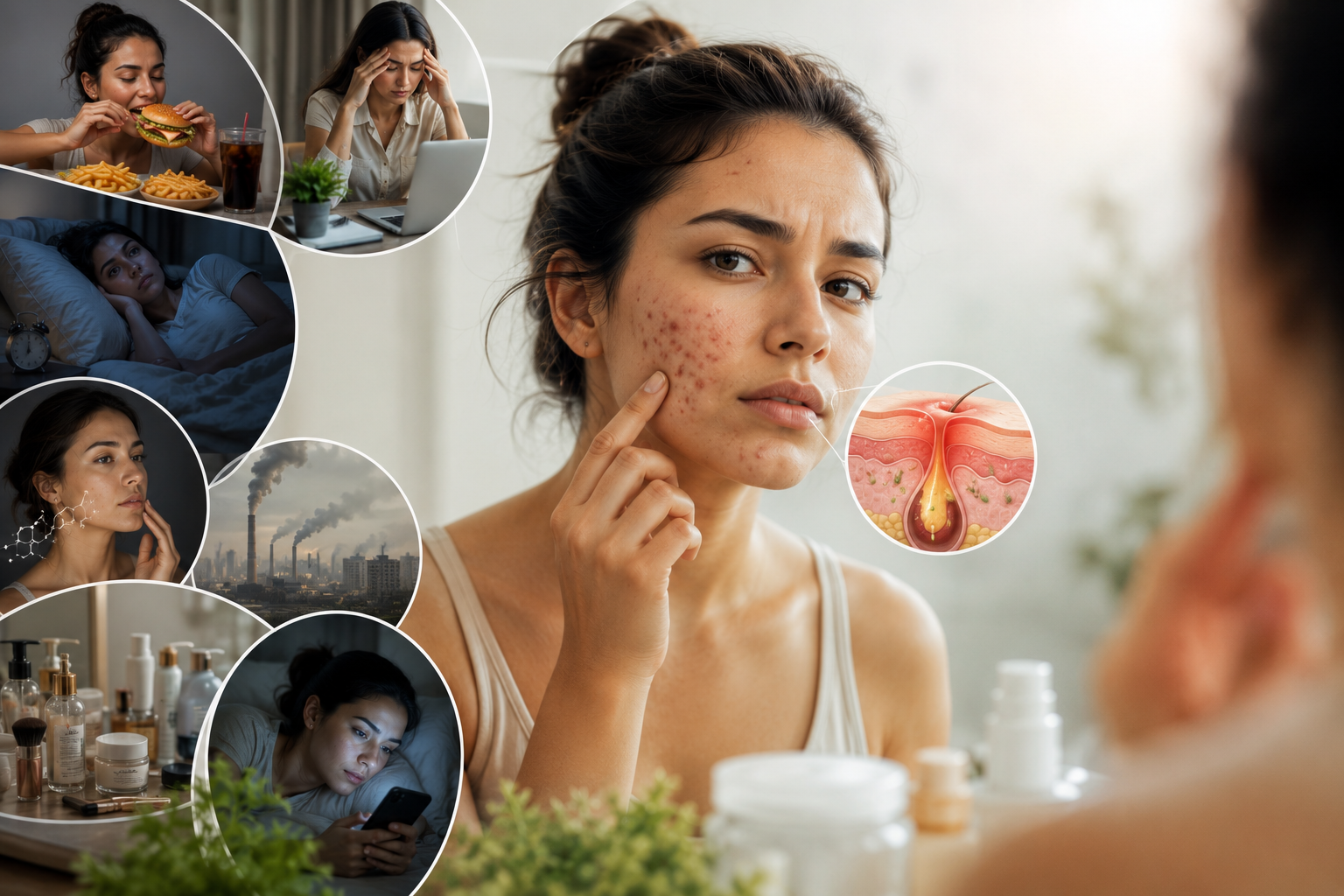
Several factors can contribute to early visible skin changes.
1. Excessive Sun Exposure
Ultraviolet (UV) radiation from the sun is a major cause of premature skin aging. Repeated exposure can damage skin structures, contributing to wrinkles, pigmentation, and changes in texture. UV exposure also increases the risk of skin cancer. <Cite refs={["turn734840search0","turn734840search6"]}/>
Spending time outdoors without adequate protection can gradually accumulate damage, even when a sunburn does not occur.
2. Smoking
Smoking exposes the body to substances that can damage skin structures and contribute to wrinkles, dryness, and a dull complexion. Avoiding tobacco is an important step towards protecting both skin and overall health. <Cite refs={["turn734840search0","turn734840search6"]}/>
3. Unbalanced Diet
A varied, balanced diet supports overall health, including skin health. Some research suggests that diets high in sugar and refined carbohydrates may contribute to premature aging, while eating a variety of fruits and vegetables may help protect against damage. Evidence does not mean that any single food can prevent wrinkles. <Cite refs={["turn734840search0"]}/>
4. Inadequate Skin Care
Using harsh cleansers, scrubbing aggressively, over-exfoliating, or continuing products that cause burning and irritation can damage the skin barrier.
A simple, consistent routine is often more helpful than using many products at once.
5. Environmental Pollution
Air pollution and other environmental exposures may contribute to oxidative stress and skin irritation. Their effects vary depending on the type and level of exposure, along with other factors such as sun exposure and smoking.
6. Poor Sleep and Ongoing Stress
Insufficient sleep may affect how refreshed the skin looks and may contribute to a tired appearance. Ongoing stress can also influence sleep and daily habits.
These factors may play a role in skin health, but they are not the only causes of wrinkles or pigmentation.
7. Excessive Alcohol Consumption
Excessive alcohol consumption can affect overall health and may contribute to dehydration or a less healthy-looking complexion. Limiting alcohol and maintaining healthy daily habits can support general well-being.
8. Natural Aging and Genetics
Not every sign of aging can be prevented. Genetics, hormonal changes, and the natural aging process all influence when lines, dryness, and changes in skin firmness appear. <Cite refs={["turn734840search3","turn734840search7"]}/>
How to Prevent Premature Skin Aging
You cannot stop natural aging, but you can take steps to reduce preventable skin damage.
1. Use Sunscreen Every Day
Sun protection is one of the most important steps in preventing premature skin aging.
Choose a broad-spectrum sunscreen with SPF 30 or higher.
Apply it to exposed skin according to the product instructions.
Reapply at least every two hours outdoors, and after swimming or heavy sweating, as directed on the label.
Wear protective clothing, sunglasses, and a wide-brimmed hat.
Seek shade when the sun is strong.
Consistent sun protection helps reduce UV damage and also lowers the risk of skin cancer. <Cite refs={["turn734840search0","turn734840search9"]}/>
2. Follow a Gentle Skin-Care Routine
A basic daily routine can help protect the skin barrier.
Morning routine:
Cleanse with a gentle face wash.
Apply a moisturiser suitable for your skin type.
Finish with broad-spectrum sunscreen.
Evening routine:
Remove sunscreen, makeup, and daily impurities with a gentle cleanser.
Apply moisturiser.
Use any additional treatment products only if suitable for your skin and according to professional advice when needed.
Avoid introducing several active ingredients at the same time, particularly if your skin is sensitive.
3. Moisturise Regularly
Moisturiser helps reduce water loss and makes the skin feel smoother and softer. Choose a product appropriate for your skin type, and apply it consistently.
If your skin is sensitive, fragrance-free products may be a suitable starting point.
4. Eat a Balanced Diet
Include a variety of vegetables, fruits, whole grains, protein sources, nuts, and healthy fats as part of a balanced diet.
No specific food or drink can guarantee wrinkle prevention, and supplements are not necessary for everyone. If you suspect a nutritional deficiency, seek appropriate medical advice rather than taking high-dose supplements without guidance.
5. Avoid Smoking
Avoiding tobacco and seeking support to quit smoking can benefit your skin and reduce other serious health risks.
6. Get Adequate Sleep
Maintain a regular sleep schedule and aim for sufficient rest. Most adults need approximately seven to nine hours of sleep each night, although individual needs vary.
7. Exercise Regularly
Regular physical activity supports cardiovascular health, circulation, and general well-being. Choose activities that suit your abilities and maintain a routine you can follow consistently.
Exercise is beneficial for health, but it should not be considered a stand-alone treatment for wrinkles or sun damage.
8. Avoid Tanning Beds
Indoor tanning exposes skin to UV radiation and can accelerate visible aging. Avoid tanning beds and sunlamps, and use sunless tanning products only as directed if you want a tanned appearance. <Cite refs={["turn734840search0","turn734840search6"]}/>
9. Avoid Products That Irritate Your Skin
Burning, persistent stinging, redness, and peeling can indicate irritation. Stop using a non-prescribed product that causes a reaction and seek advice if symptoms continue.
Some prescribed treatments may cause temporary irritation, so discuss side effects with your prescribing clinician rather than changing treatment without guidance.
Can Skin Care Products Reduce Signs of Aging?
Some skin-care ingredients may improve the appearance of fine lines, uneven pigmentation, or rough texture. Results depend on the ingredient, formulation, consistency of use, and the cause of the skin changes.
Ingredients commonly used in anti-aging skin care include:
Retinoids and retinol: May improve the appearance of fine lines and some forms of uneven pigmentation, but can cause irritation and increased sun sensitivity. They are not suitable for everyone; retinoids should be avoided during pregnancy unless a qualified clinician advises otherwise.
Vitamin C: May help improve the appearance of uneven skin tone in some people.
Moisturisers: Help hydrate the skin and temporarily make fine lines appear less noticeable.
Niacinamide: May support the skin barrier and help improve the appearance of uneven skin tone in some formulations.
Start with one new product at a time and follow its instructions. If you have sensitive skin, a skin condition, are pregnant, or are unsure which ingredient is appropriate, consult a qualified healthcare professional.
Be cautious of products promising instant results or complete removal of wrinkles. No cosmetic product can stop the natural aging process.
When Should You Consult a Dermatologist?
Consider seeing a dermatologist if:
Wrinkles, pigmentation, or skin texture changes concern you.
You develop persistent redness, itching, burning, or peeling.
Dark spots change in size, shape, or colour.
A new skin growth appears or an existing spot changes.
Over-the-counter products repeatedly irritate your skin.
You want to discuss professional options for sun damage or visible wrinkles.
A dermatologist can assess your skin, identify possible underlying conditions, and explain suitable treatments, including their benefits and risks.
Frequently Asked Questions
1. At what age does premature skin aging begin?
There is no single age at which premature aging begins. It depends on genetics, sun exposure, smoking, skin-care habits, and other environmental and lifestyle factors. Visible sun-related changes may develop gradually over many years.
2. Can sunscreen prevent premature aging?
Regular use of broad-spectrum sunscreen helps protect against UV damage, which is a major contributor to premature skin aging. It cannot prevent natural aging, but it can reduce preventable sun-related damage.
3. Can premature skin aging be reversed?
Some signs, such as dryness and the appearance of fine lines, may improve with moisturisers and appropriate treatments. Certain pigmentation and wrinkles may also respond to professional care. However, not all damage can be reversed, and results vary.
4. Is an expensive anti-aging cream always better?
No. Price alone does not determine effectiveness. A suitable, well-formulated product used consistently may be more useful than an expensive product that irritates your skin or does not address your concern.
5. Does drinking more water remove wrinkles?
Staying hydrated supports general health, but drinking extra water does not reliably remove wrinkles. Moisturising the skin and protecting it from the sun are more direct steps in a basic skin-care routine.
6. Is it too late to start protecting my skin?
No. Sun protection, gentle cleansing, moisturising, and avoiding smoking can be beneficial at any age. These habits may help reduce further preventable damage and support healthier-looking skin.
Conclusion
Premature skin aging can be influenced by sun exposure, smoking, environmental factors, skin irritation, and lifestyle habits. Although natural aging is unavoidable, a consistent routine that includes sunscreen, moisturiser, gentle cleansing, balanced nutrition, adequate sleep, and avoidance of smoking can help protect your skin over time.
Choose skin-care products based on your skin's needs rather than relying on quick fixes or exaggerated claims. If you notice persistent skin changes or want advice on treatment options, consult a qualified dermatologist.
Medical disclaimer: This article is for general educational purposes only and does not replace professional medical advice, diagnosis, or treatment. Individual skin needs and treatment suitability vary.