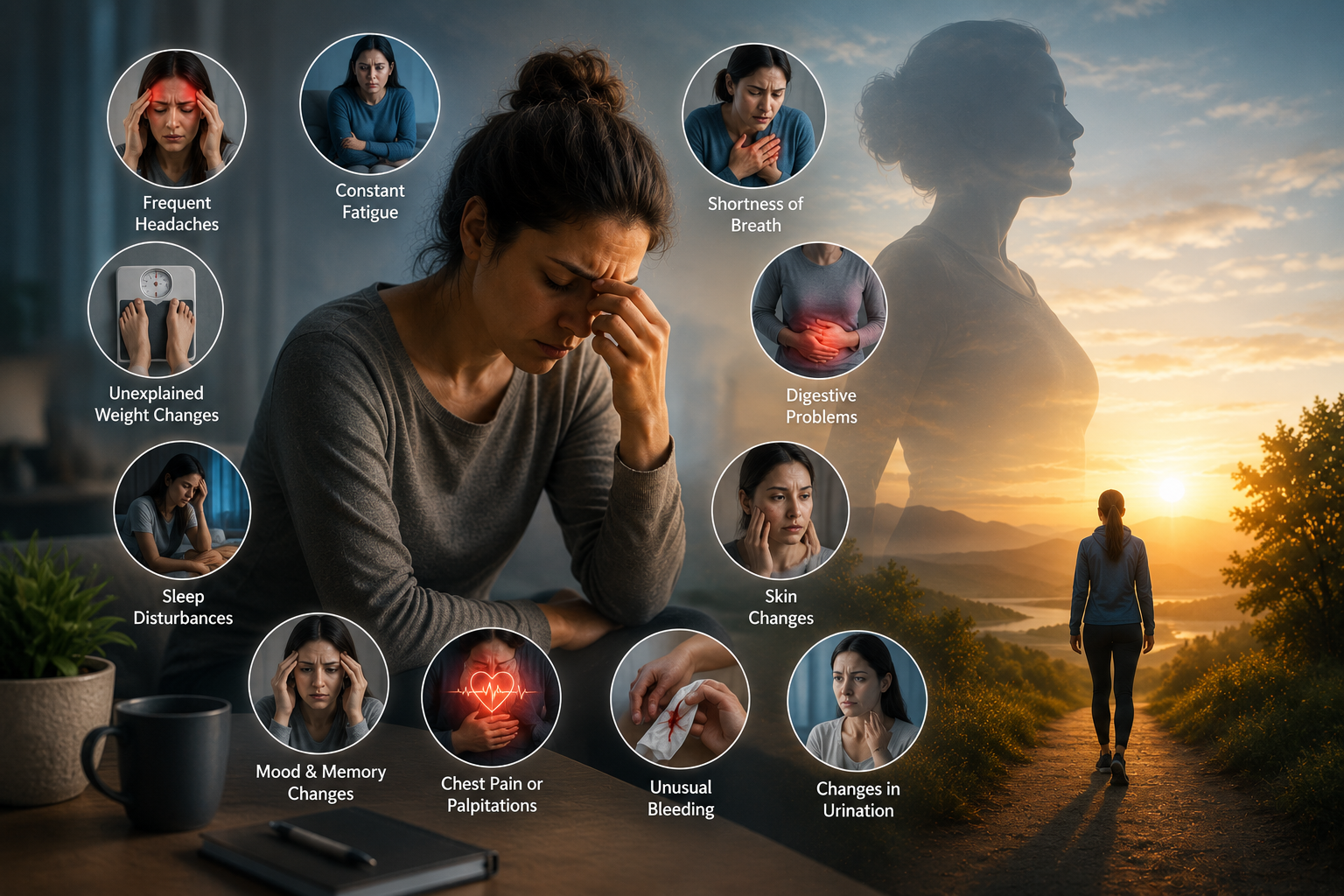
The Connection Between Stress, Sleep, and Menstrual Health
Women's health is influenced by a complex interaction of hormones, physical health, emotional well-being, lifestyle, and environmental factors. Among these, stress and sleep are two everyday factors that can have an important relationship with menstrual health.
The menstrual cycle is regulated by a complex hormonal system involving the brain and ovaries. Changes in stress levels, sleep patterns, nutrition, physical activity, and overall health can influence this system. Research has found associations between psychological stress, short or poor-quality sleep, and menstrual irregularities, although these relationships are complex and do not mean that stress or poor sleep is always the direct cause of a menstrual problem.
Understanding this connection can help women recognize the importance of taking care of both their mental and physical health.
What Is Menstrual Health?
Menstrual health involves more than simply having a monthly period. It includes the regularity of the menstrual cycle, the amount and duration of bleeding, menstrual symptoms, and the effect of periods on everyday life.
For many women, menstrual patterns change naturally at different stages of life. However, persistent irregular, very heavy, or unusually painful periods may require medical evaluation.
Because menstrual patterns can reflect changes in overall health, paying attention to the cycle can be useful.
How Does Stress Affect the Menstrual Cycle?
Stress activates the body's stress-response system. During periods of ongoing stress, the body produces hormones such as cortisol and changes the activity of systems involved in reproduction.
When stress becomes severe or prolonged, it may interfere with the hormonal signals responsible for ovulation and menstruation.
The Office on Women's Health notes that chronic stress can contribute to irregular periods and may make premenstrual symptoms more severe.
A 2024 systematic review examining 41 studies also found that most included studies reported an association between psychological stress and menstrual dysfunction, particularly irregular menstruation and changes in menstrual flow.
Common Stress-Related Changes May Include
Some women may notice:
- Irregular periods
- Missed periods
- Changes in menstrual flow
- More noticeable PMS symptoms
- Changes in mood
- Increased fatigue
- Difficulty sleeping
However, these symptoms can have many causes. Stress should not automatically be assumed to be the explanation.
The Role of Sleep in Women's Health
Sleep gives the body time to recover and supports physical and mental health.
Women can experience sleep difficulties at different stages of life, including during the menstrual cycle, pregnancy, perimenopause, and menopause. Hormonal changes themselves can influence sleep, while stress and poor sleep can also affect emotional well-being.
For adults, maintaining adequate and consistent sleep is an important part of a healthy lifestyle.
How Poor Sleep May Relate to Menstrual Health
Research suggests that sleep duration and quality may be associated with menstrual patterns.
A study of women in a community sample found that short sleep duration was associated with heavier menstrual bleeding and greater cycle irregularity. Poorer sleep quality was also associated with greater menstrual irregularity.
Another population-based study involving more than 4,400 women found associations between high stress, depressive mood, short sleep duration, and menstrual cycle irregularity. The strongest association with severe irregularity was seen among women reporting five hours or less of sleep per day.
These studies show an association rather than proving that insufficient sleep directly causes menstrual problems.
Stress and Sleep Can Create a Cycle
Stress and sleep often influence each other.
For example:
Stress ? difficulty sleeping ? daytime fatigue ? reduced ability to cope with stress ? more stress
When this pattern continues, it may affect overall physical and emotional health.
For some women, menstrual symptoms can add another layer to this cycle. Pain, mood changes, bloating, or other premenstrual symptoms may make sleep more difficult, while poor sleep may make these symptoms feel harder to manage.
This creates an interconnected relationship between stress, sleep, and menstrual well-being.
PMS, Stress, and Sleep
Premenstrual syndrome, commonly known as PMS, can include physical and emotional symptoms before menstruation.
Symptoms may include:
- Mood changes
- Irritability
- Fatigue
- Breast tenderness
- Bloating
- Headaches
- Changes in appetite
- Difficulty concentrating
The Office on Women's Health recommends adequate sleep, regular physical activity, healthy eating, and healthy stress-management strategies as part of managing PMS symptoms.
Not every woman experiences PMS, and symptoms can vary from one cycle to another.
Sleep Problems During Perimenopause
The connection between hormones and sleep can become particularly noticeable during perimenopause.
During this transition, changing hormone levels can cause irregular periods and symptoms such as hot flashes and night sweats. These symptoms can make it difficult to sleep comfortably through the night.
Poor sleep may then contribute to daytime tiredness, irritability, and difficulty managing stress.
Women experiencing persistent sleep difficulties during perimenopause should discuss their symptoms with a healthcare professional because effective treatment options are available.
Everyday Habits That Can Support Menstrual Wellness
Supporting menstrual health does not require complicated routines. Several basic lifestyle habits can help promote overall well-being.
1. Prioritize Consistent Sleep
Try to maintain relatively consistent sleeping and waking times.
A relaxing bedtime routine can include:
- Reading
- Gentle stretching
- Deep breathing
- Meditation
- Reducing unnecessary screen use
- Keeping the bedroom quiet and comfortable
2. Manage Stress
Stress cannot always be eliminated, but healthy coping strategies can make it easier to manage.
Consider:
- Walking
- Yoga
- Meditation
- Journaling
- Deep breathing
- Spending time with supportive people
- Taking regular breaks
- Speaking with a mental health professional when needed
3. Stay Physically Active
Regular physical activity supports physical and mental health. It may also help some women manage PMS symptoms such as fatigue, low mood, and difficulty concentrating.
Choose activities that are enjoyable and sustainable rather than exercising excessively.
4. Eat a Balanced Diet
Regular, nutritious meals can help provide the energy and nutrients the body needs.
Include a variety of:
- Vegetables
- Fruits
- Whole grains
- Beans and lentils
- Protein-rich foods
- Nuts and seeds
- Healthy sources of fats
Extreme dieting or inadequate calorie intake can also affect menstrual function, so restrictive eating should be avoided unless medically indicated and professionally supervised.
5. Track Your Menstrual Cycle
Keeping track of your period can help identify changes over time.
You can record:
- First and last day of bleeding
- Cycle length
- Amount of bleeding
- Pain
- PMS symptoms
- Mood changes
- Sleep quality
This information can be particularly useful when discussing concerns with a healthcare professional.
Why Menstrual Changes Should Not Always Be Blamed on Stress
Although stress can affect menstruation, it is important not to assume that every irregular period is stress-related.
Other possible causes include:
- Pregnancy
- Polycystic ovary syndrome (PCOS)
- Thyroid disorders
- Significant weight changes
- Very low calorie intake
- Excessive exercise
- Certain medications
- Perimenopause
- Other reproductive or medical conditions
The Office on Women's Health notes that several health conditions can contribute to irregular periods.
This is why persistent menstrual changes deserve proper evaluation.
When Should You Consult a Healthcare Professional?
Consider seeking medical advice if you experience:
- Periods that suddenly become irregular
- Very heavy bleeding
- Severe menstrual pain
- Repeatedly missed periods
- A significant change in your usual cycle
- No period for three months when you are not pregnant or breastfeeding
- Persistent sleep problems
- Severe fatigue
- Significant anxiety or low mood
- Symptoms that interfere with daily activities
Medical evaluation can help determine whether the symptoms are related to stress and lifestyle or whether another condition needs attention.
Building a Healthy Daily Routine
A simple daily routine can support both sleep and stress management.
Morning
- Wake at a consistent time
- Get natural daylight
- Eat a nutritious meal
- Include some physical activity
During the day
- Eat balanced meals
- Stay hydrated
- Take short breaks
- Avoid excessive caffeine late in the day
- Make time for movement
Evening
- Reduce demanding work when possible
- Limit unnecessary screen use
- Practice relaxation
- Prepare for the next day
Before bed
- Follow a consistent bedtime routine
- Keep the bedroom comfortable
- Avoid repeatedly checking your phone
- Aim for adequate sleep
These habits do not guarantee a perfectly regular menstrual cycle, but they can contribute to better overall health.
The Importance of a Whole-Person Approach
Menstrual health should not be considered separately from mental and physical well-being.
Stress can influence sleep. Sleep can influence energy and mood. Hormonal changes can influence sleep and emotional experiences. Menstrual symptoms can then affect daily activities and stress levels.
This interconnected relationship is why women's health benefits from a whole-person approach that considers lifestyle, mental health, reproductive health, and physical health together.
Current women's health guidance also emphasizes adequate sleep, regular physical activity, nutrition, and stress management as important components of long-term health.
Conclusion
Stress, sleep, and menstrual health are closely connected aspects of women's overall well-being. Research suggests that chronic psychological stress and insufficient or poor-quality sleep are associated with menstrual irregularities in some women.
However, these relationships are complex, and menstrual problems should not automatically be attributed to stress or lack of sleep.
Maintaining a consistent sleep routine, managing stress, staying physically active, eating a balanced diet, and tracking menstrual changes can all contribute to healthier daily habits.
Taking care of your sleep and emotional well-being is not separate from taking care of your menstrual health. It is an important part of overall women's wellness.