The Hidden Impact of Screen Time on Sleep, Stress, and Daily Wellbeing
Smartphones, laptops, tablets, televisions, and other digital devices have become a normal part of everyday life. We use screens for work, education, communication, entertainment, shopping, and staying connected with others.
While technology offers many benefits, spending long periods on screens—particularly late in the evening—may affect sleep habits, mental relaxation, and overall wellbeing. Research has consistently linked screen use around bedtime with poorer sleep outcomes, although the strength of the effect can vary by age, type of screen activity, and individual habits.
How Much Screen Time Is Too Much?
There is no single number of daily screen hours that is automatically harmful for every adult. The impact can depend on what you are doing on the device, when you are using it, how close it is to bedtime, and whether screen use replaces sleep, exercise, outdoor activity, or social interaction.
For example, using a laptop for necessary work during the day is different from scrolling through emotionally stimulating social media for hours late at night.
Instead of focusing only on the number of hours, it can be useful to look at how, when, and why you use screens.
How Screen Time Can Affect Sleep
1. It May Delay Bedtime
One of the simplest ways screens can interfere with sleep is by keeping people awake longer than planned.
A quick check of social media can turn into an hour of scrolling, while watching one episode can become several. Notifications, messages, games, videos, and other interactive content can encourage continued engagement.
The National Sleep Foundation's expert consensus found that reducing evening screen use can help reduce some negative effects on sleep, particularly among children and adolescents.
2. Screen Light Can Influence the Body Clock
Light is an important signal for the body's circadian rhythm—the internal system that helps regulate sleep and wakefulness.
Bright artificial light in the evening can make it harder for some people to become sleepy at the appropriate time. Screens are one potential source of this evening light exposure.
Research has also found that evening exposure to light-emitting devices can influence melatonin and circadian timing. However, evidence about the specific contribution of screen light, especially in adults, is not completely consistent.
3. Engaging Content Can Keep the Brain Alert
The problem is not necessarily the screen itself.
A stressful news story, exciting video game, emotionally intense conversation, work email, or social-media discussion can increase mental stimulation at a time when the body should be preparing for sleep.
This means that screen content and emotional engagement can be just as important as the light coming from the device.
Screen Time and Stress
Technology can make life more convenient, but constant digital stimulation can also make it difficult to mentally switch off.
Constant Notifications
Frequent messages, emails, alerts, and social-media notifications can create a feeling that you always need to be available.
Even when you are not actively responding, anticipating another notification can interrupt periods of rest and concentration.
Information Overload
People can consume enormous amounts of information every day through phones and computers. News updates, social media, advertisements, workplace messages, and online discussions can make it difficult to create quiet periods during the day.
Taking intentional breaks from digital information can help create opportunities for mental relaxation.
Work-Life Boundaries
For people who work on computers or use smartphones for professional communication, the workday may continue beyond office hours.
Checking emails from bed or responding to work messages late at night can make it harder to establish a clear transition between work and personal time.
Creating technology-free periods can help establish healthier boundaries.
The Effect on Daily Energy and Concentration
Poor sleep can affect how refreshed and alert you feel the following day.
When screen habits contribute to delayed bedtime or interrupted sleep, you may experience daytime sleepiness, difficulty concentrating, irritability, or reduced productivity.
The relationship can also become a cycle:
More screen use at night ? later bedtime ? poorer sleep ? daytime tiredness ? increased reliance on screens or caffeine ? more screen use later.
Breaking this cycle may require small but consistent changes to evening routines.
Screen Time Can Also Affect Physical Wellbeing
Long periods of screen use often mean sitting in one position for extended periods.
This can encourage a sedentary lifestyle and may contribute to neck, shoulder, back, or eye discomfort. Taking regular movement breaks can help reduce the physical strain associated with prolonged computer and smartphone use.
Try standing up, walking around, stretching gently, or changing your position regularly during long periods of screen use.
What About Blue-Light-Blocking Glasses?
Blue-light-blocking glasses and screen filters are often promoted as a way to protect sleep.
However, the evidence is mixed. Reviews have found inconsistent results, and recent randomized-trial evidence has not demonstrated significant improvements across several objective sleep measures in adults.
Therefore, relying solely on special glasses may not address the larger issue if the main problem is staying up late, engaging with stimulating content, or receiving constant notifications.
Reducing overall evening stimulation and creating a consistent bedtime routine may be more practical starting points.
Simple Ways to Build Healthier Screen Habits
You do not necessarily need to eliminate screens from your life. Instead, consider creating healthier boundaries.
1. Create a Screen-Free Period Before Bed
Try putting your phone, tablet, or laptop away before bedtime. Even a short period without stimulating digital content can provide an opportunity to relax.
2. Keep Your Phone Away From the Bed
Keeping your phone within reach makes it tempting to check messages or social media during the night.
Charging it somewhere away from your bed can reduce unnecessary checking.
3. Turn Off Non-Essential Notifications
You can reduce digital interruptions by disabling notifications that are not important.
Consider using Do Not Disturb, silent mode, or scheduled notification settings during your personal and sleeping hours.
4. Avoid Emotionally Stimulating Content at Night
If certain types of content make you anxious, excited, angry, or mentally alert, consider avoiding them close to bedtime.
Choose calmer activities such as reading a printed book, listening to relaxing audio, gentle stretching, or preparing for the next day.
5. Take Regular Breaks During the Day
If your work requires many hours in front of a computer, schedule short breaks.
Stand up, walk around, look away from the screen, and give your mind an opportunity to reset.
6. Protect Your Sleep Schedule
Try to maintain relatively consistent sleeping and waking times.
A regular routine can make it easier for your body to recognize when it is time to sleep.
7. Spend Time Away From Digital Devices
Make room for activities that do not require screens—such as walking outdoors, exercising, cooking, reading, hobbies, or talking with family and friends.
A healthy digital routine is not about avoiding technology completely. It is about making sure technology does not replace essential aspects of physical and mental wellbeing.
When Should You Pay Attention to Your Symptoms?
Occasional difficulty sleeping after a late night of screen use is common. However, persistent sleep problems should not automatically be blamed on phones or computers.
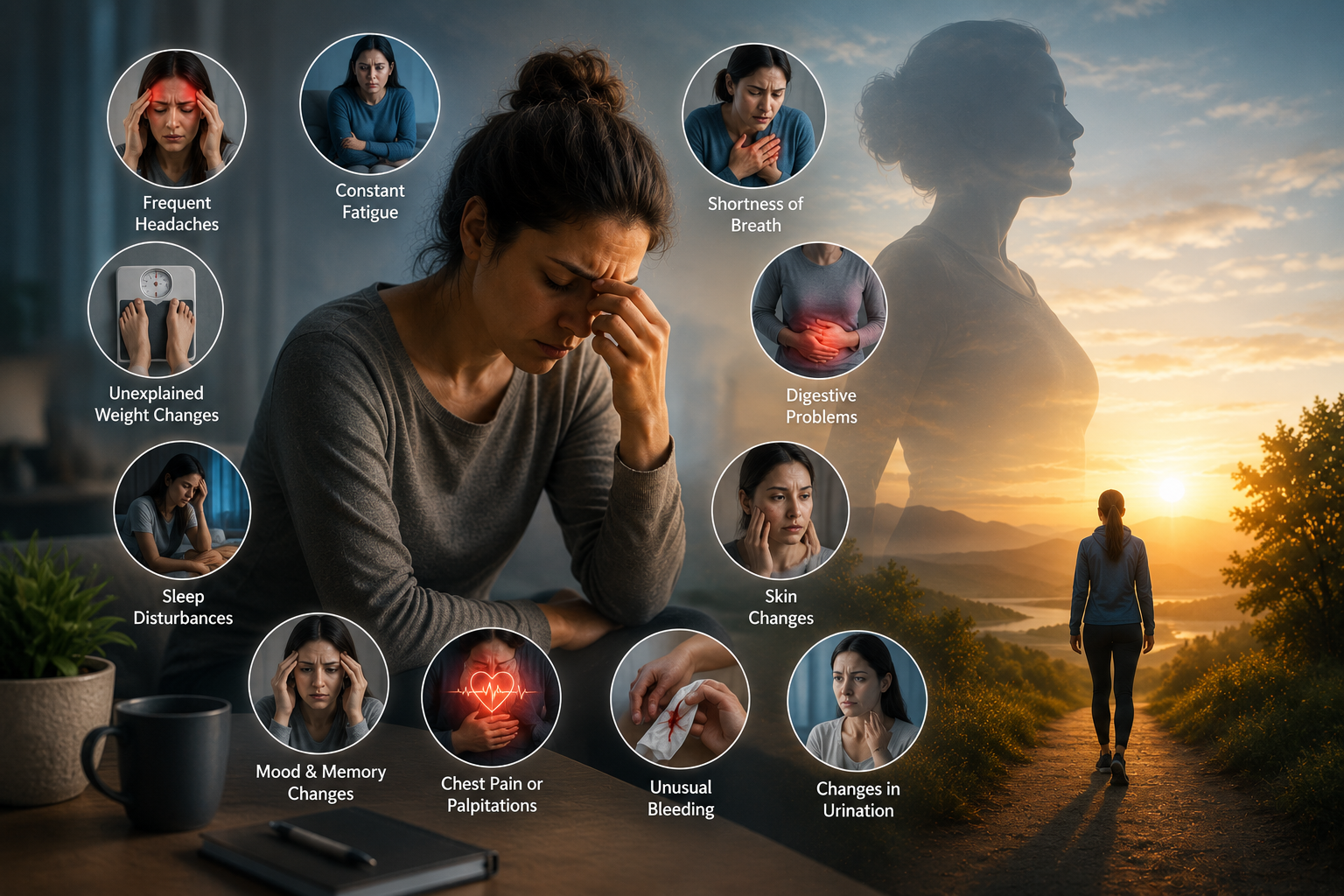
Consider speaking with a qualified healthcare professional if you regularly experience difficulty falling asleep, frequent nighttime awakenings, excessive daytime sleepiness, persistent fatigue, or other symptoms affecting your daily life.
Sleep difficulties can have many possible causes, and identifying the underlying issue is important.
Final Thoughts
Screens are an important part of modern life, but our digital habits can influence how we sleep, relax, concentrate, and spend our time.
The goal does not have to be completely eliminating screen use. Instead, small changes—such as reducing late-night scrolling, turning off unnecessary notifications, taking regular breaks, and creating a relaxing bedtime routine—can help establish healthier technology habits.
Most importantly, pay attention to how your screen habits affect your sleep, mood, energy, and daily routine. A healthier relationship with technology can be an important part of maintaining overall wellbeing.
Disclaimer: This article is intended for general health education and does not replace professional medical advice, diagnosis, or treatment. If you have persistent sleep problems, significant stress, or ongoing symptoms affecting your daily life, consult a qualified healthcare professional.