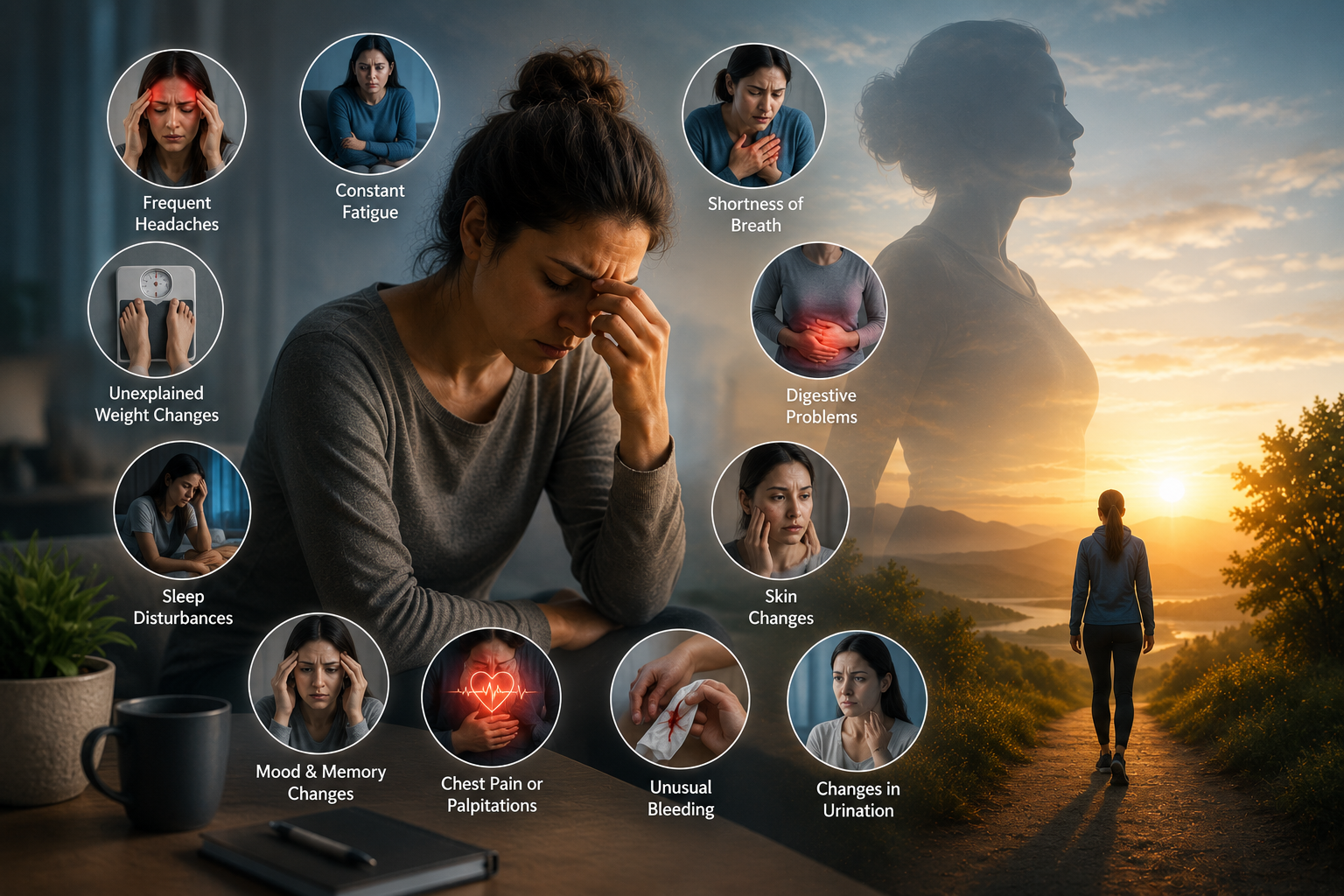
The Hidden Link Between Poor Sleep and Irregular Periods
Have you ever noticed that your period becomes unpredictable during a stressful or exhausting phase of life?
Maybe your period arrives earlier than expected, comes several days late, or occasionally doesn't come at all. While many factors can affect the menstrual cycle, sleep is an often-overlooked part of the picture.
Research suggests that short sleep, poor sleep quality, disrupted sleep schedules and sleep disorders are associated with menstrual irregularities. The relationship is complex, however, and poor sleep does not necessarily cause irregular periods by itself.
How Are Sleep and Your Menstrual Cycle Connected?
Your menstrual cycle is controlled by communication between the brain and reproductive organs through the hypothalamic-pituitary-ovarian system.
Sleep and the body's circadian rhythm also influence hormone regulation. When sleep becomes consistently disrupted, the normal timing and regulation of hormonal signals may be affected.
Researchers believe that changes in circadian rhythms, stress hormones and reproductive hormone signaling may partly explain the connection between sleep disturbances and menstrual irregularity.
This means that your menstrual cycle isn't controlled by your reproductive organs alone. Your brain, hormones, sleep-wake cycle and overall health are constantly communicating.
Can Sleeping Too Little Affect Your Period?
Possibly.
Studies have found an association between shorter sleep duration and menstrual irregularity. For example, research in adult women found that sleeping five hours or less per day was associated with higher odds of severe menstrual irregularity.
Another community-based study found that women who reported short sleep had greater odds of menstrual irregularity and heavier menstrual bleeding compared with women reporting a more typical sleep duration.
However, these findings show associations rather than proof that lack of sleep directly causes irregular periods.
Sleep, stress, lifestyle, mental health and other health conditions often overlap, making the relationship difficult to separate.
Why Does Sleep Timing Matter?
It's not only about how many hours you sleep.
Your body has an internal biological clock, known as the circadian rhythm, which helps regulate sleep, hormone release, body temperature and other daily functions.
Frequently changing your bedtime, working night shifts, staying awake until very late, or sleeping at inconsistent times can disturb this rhythm.
Research reviews suggest that altered sleep timing and circadian disruption may be associated with changes in reproductive function.
In other words, a regular sleep schedule may matter alongside getting enough total sleep.
Stress, Poor Sleep and Period Changes
Sleep and stress often form a cycle.
When you're under prolonged stress, you may sleep less or have difficulty falling asleep. Poor sleep can then make you more tired, emotionally overwhelmed and less able to cope with stress.
Stress itself can also influence the hormonal systems involved in reproductive function.
Research involving women has found associations between psychological stress, short sleep and menstrual irregularity.
This can create a pattern such as:
Stress ? poor sleep ? hormonal disruption ? menstrual changes ? more stress
Breaking this cycle may require addressing both sleep and the sources of ongoing stress.
Your Period Can Affect Your Sleep Too
The relationship works in the opposite direction as well.
Hormonal changes throughout the menstrual cycle can affect sleep quality. Some women experience more restless sleep during the days before their period, and insomnia can become more common around the time bleeding begins. Menstrual cramps, heavy bleeding and premenstrual symptoms can also interfere with sleep.
Research reviews similarly suggest that sleep quality can worsen during the premenstrual phase, particularly in women experiencing significant premenstrual symptoms or painful periods.
So you may have a two-way relationship:
Hormonal changes ? disturbed sleep
and
Sleep disruption ? potentially altered reproductive function
This is one reason the relationship between sleep and menstruation can be difficult to understand.
What Happens to Hormones When Sleep Is Disrupted?
Sleep is closely connected with several hormonal systems.
When sleep and circadian rhythms are disrupted, researchers believe this may influence the signaling pathways involved in reproductive hormones such as estrogen and progesterone.
The exact mechanisms are still being studied, but evidence suggests that sleep disturbances may affect reproductive hormone secretion and the timing of reproductive processes.
This doesn't mean that one late night will throw your hormones off balance.
Occasional poor sleep is different from chronic sleep deprivation or persistent sleep disruption.
The concern is more relevant when poor sleep becomes a regular pattern.
What Does an Irregular Period Look Like?
Menstrual cycles naturally vary, so being a few days early or late occasionally does not necessarily indicate a problem.
However, changes worth paying attention to include:
Periods becoming consistently unpredictable
Frequently skipping periods
Very long gaps between periods
Periods becoming unusually frequent
A significant change from your usual cycle pattern
New changes in menstrual bleeding
Menstrual changes accompanied by other symptoms
Tracking your cycle for several months can help you understand whether the change is occasional or persistent.
Other Causes of Irregular Periods
Sleep is only one piece of the puzzle.
Irregular periods can have many possible causes, including:
Stress
Changes in body weight
Excessive exercise
Polycystic ovary syndrome (PCOS)
Thyroid disorders
Pregnancy
Perimenopause
Certain medications
Other hormonal or reproductive conditions
This is why persistent menstrual irregularity shouldn't automatically be blamed on poor sleep.
If your periods have changed significantly, identifying the underlying cause is more important than simply trying to sleep longer.
Can Improving Sleep Help Your Cycle?
Getting better sleep is a healthy goal regardless of whether it directly changes your menstrual cycle.
Try to build a consistent sleep routine by:
Keep a Regular Schedule
Go to bed and wake up at approximately the same time each day, including weekends when possible.
Aim for Enough Sleep
Most adults need around 7–9 hours of sleep per night, although individual needs vary.
Rather than focusing on one perfect number, pay attention to whether you're consistently getting enough sleep to feel rested and function well during the day.
Reduce Late-Night Screen Exposure
Bright light and stimulating activities close to bedtime can make it harder to wind down.
Give yourself some quiet time before bed whenever possible.
Limit Caffeine Late in the Day
Caffeine can remain active in the body for several hours and may interfere with sleep, particularly when consumed later in the day.
Create a Comfortable Sleep Environment
A cool, quiet, dark and comfortable bedroom can make it easier to maintain good-quality sleep.
Address Stress
Relaxation techniques, physical activity, breathing exercises, journaling and regular breaks may help reduce stress that interferes with sleep.
If stress feels overwhelming or persistent, professional support can also be helpful.
What If You Sleep Enough but Still Feel Exhausted?
Getting enough time in bed doesn't always mean you're getting restorative sleep.
Conditions such as insomnia, sleep apnea and restless legs syndrome can interfere with sleep quality.
Women can sometimes experience sleep disorders differently, and symptoms may not always be obvious.
If you're regularly waking up exhausted despite allowing enough time for sleep, consider discussing the problem with a healthcare professional.
When Should You Investigate Irregular Periods?
Speak with a healthcare professional if your menstrual pattern has changed significantly or irregularity continues.
It's particularly important to seek evaluation if irregular periods occur along with:
Very heavy bleeding
Severe menstrual pain
Persistent fatigue
Unexplained weight changes
Excess facial or body hair
Significant acne
Hair thinning
Symptoms suggesting a thyroid problem
Repeatedly missed periods
Difficulty becoming pregnant
These symptoms can sometimes point toward an underlying hormonal or reproductive condition.
Keep a Sleep and Period Diary
One simple way to understand the connection is to track both at the same time.
For a few months, record:
Sleep
Bedtime
Wake-up time
Total sleep
Nighttime awakenings
Sleep quality
Stress level
Menstrual cycle
First day of your period
Cycle length
Bleeding intensity
Pain
PMS symptoms
You may begin to notice patterns that aren't obvious when looking at either your sleep or menstrual cycle separately.
Final Thoughts
Sleep and menstrual health are more closely connected than many women realize.
Research increasingly suggests that short sleep, poor sleep quality and disrupted circadian rhythms are associated with menstrual irregularities, although the exact relationship is complex and more research is needed.
At the same time, hormonal changes, cramps and premenstrual symptoms can make sleep more difficult, creating a two-way relationship between your sleep and menstrual cycle.
So if your period has become irregular during a prolonged period of poor sleep, don't ignore the pattern.
Improving sleep may not be the complete answer, but it is an important part of supporting your overall health.
Your menstrual cycle can provide valuable clues about your body's overall well-being. Sometimes, paying attention to how you sleep can be just as important as tracking when your period arrives.