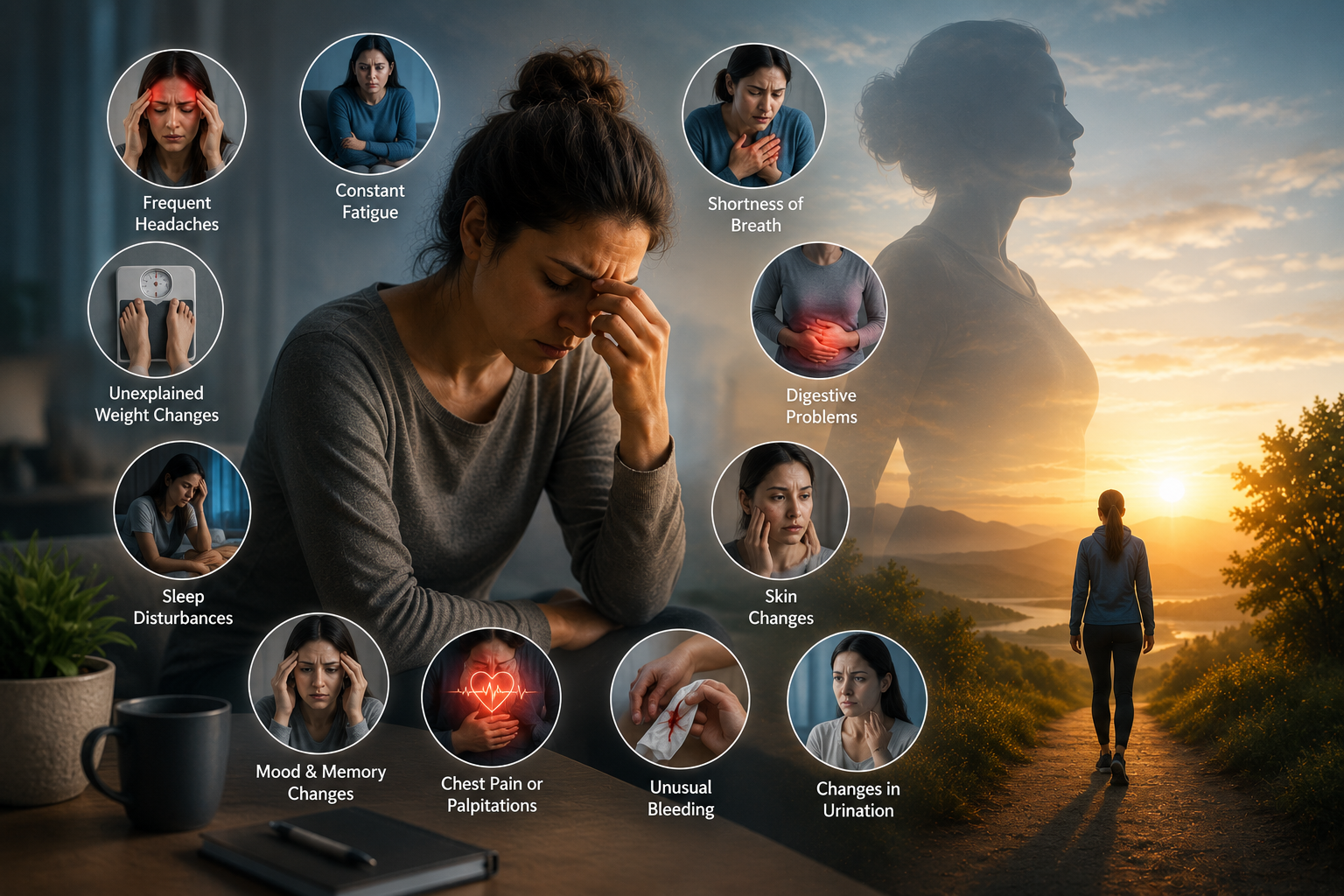
The Link Between Chronic Stress and Menstrual Irregularities
Stress is a normal part of everyday life, but prolonged or intense stress can affect more than mood and energy levels. For some women, chronic stress may also influence the menstrual cycle, leading to changes such as delayed periods, irregular cycles, or missed periods.
The menstrual cycle is regulated by a complex interaction between the brain, pituitary gland, ovaries, and reproductive hormones. Because this system can respond to physical and psychological stress, prolonged stress may interfere with the hormonal signals involved in ovulation and menstruation.
Understanding the connection between stress and menstrual health can help women recognize changes in their cycles and seek appropriate care when needed.
What Is Chronic Stress?
Stress occurs when the body responds to challenging or demanding situations. Short-term stress is generally a normal response and may resolve once the stressful situation passes.
Chronic stress, however, occurs when stressful conditions continue for a prolonged period. Work pressure, financial concerns, relationship difficulties, lack of sleep, caregiving responsibilities, major life changes, and ongoing emotional challenges can all contribute to long-term stress.
Persistent stress can affect several areas of health, including sleep, digestion, mood, energy levels, and reproductive health.
How Can Stress Affect the Menstrual Cycle?
The menstrual cycle depends on communication between the brain and reproductive organs.
The hypothalamus in the brain helps regulate reproductive hormones by initiating signals that influence the pituitary gland and ovaries. Significant psychological or physical stress can interfere with this process. In some cases, this may affect ovulation and subsequently change the timing or occurrence of menstruation.
This is one reason why some women notice changes in their periods during particularly stressful periods of life.
Common Menstrual Changes Associated With Stress
Stress does not affect every woman in the same way. Possible changes can include:
- Periods arriving later than expected
- Longer or shorter menstrual cycles
- Missed periods
- Changes in menstrual flow
- Increased premenstrual symptoms
- Changes in the timing of ovulation
Research summarized by the U.S. Office on Women's Health indicates that long-term stress can be associated with irregular periods and more severe PMS symptoms.
Stress and Delayed or Missed Periods
One of the most noticeable effects can be a delayed or missed period.
When significant stress affects the hormonal signals involved in ovulation, ovulation may occur later than usual or may not occur during a particular cycle. This can subsequently delay menstruation.
However, a missed period should not automatically be attributed to stress. Pregnancy and several medical conditions can also cause missed or irregular periods.
Stress and PMS Symptoms
Stress may also influence premenstrual symptoms.
PMS can involve physical and emotional symptoms such as:
- Mood changes
- Irritability
- Fatigue
- Sleep problems
- Headaches
- Bloating
- Breast tenderness
- Food cravings
- Difficulty concentrating
Women with high levels of stress may experience more noticeable PMS symptoms. Healthy approaches to managing stress, regular physical activity, adequate sleep, and a balanced diet may help support overall well-being and may reduce some PMS symptoms.
The Stress-Sleep Connection
Stress and sleep are closely connected.
Long-term stress can make it difficult to fall asleep, stay asleep, or maintain a consistent sleep schedule. Poor sleep can then contribute to tiredness, irritability, and difficulty managing stress.
Because sleep, stress, and hormonal health can influence one another, maintaining a consistent sleep routine is an important part of supporting overall health.
Lifestyle Habits That Can Help Manage Stress
Managing stress does not mean eliminating every stressful situation. Instead, the goal is to develop healthy ways to respond to ongoing stress.
1. Maintain a Regular Sleep Schedule
Aim for consistent sleep and wake times. Creating a relaxing bedtime routine and limiting stimulating activities before bed may make it easier to maintain healthy sleep habits.
2. Stay Physically Active
Regular moderate physical activity can support physical and mental well-being. Activities such as walking, cycling, stretching, or yoga can be incorporated into a daily routine according to individual ability.
Regular physical activity may also help with some menstrual symptoms.
3. Practice Relaxation Techniques
Relaxation techniques may help reduce everyday stress. Depending on personal preference, these may include:
- Deep breathing
- Meditation
- Yoga
- Gentle stretching
- Journaling
- Spending time outdoors
4. Eat a Balanced Diet
Regular, nutritious meals can support overall health. Avoiding extreme dieting and maintaining adequate nutrition is particularly important because significant weight loss or inadequate calorie intake can also contribute to menstrual irregularities.
5. Make Time for Rest
Constant work without adequate breaks can contribute to mental and physical exhaustion. Scheduling regular breaks and making time for enjoyable activities can support healthier stress management.
6. Talk About Emotional Concerns
Talking with a trusted friend, family member, counselor, or healthcare professional can be helpful when stress becomes difficult to manage.
Seeking support is particularly important when stress is affecting sleep, work, relationships, or everyday activities.
Why Tracking Your Menstrual Cycle Can Help
Tracking your menstrual cycle can help you understand changes over time.
You can record:
- The first day of each period
- Cycle length
- Duration of bleeding
- Changes in menstrual flow
- Pain or cramps
- PMS symptoms
- Major changes in stress or sleep
Keeping these records can provide useful information when discussing menstrual changes with a healthcare professional. The Office on Women's Health also recommends tracking periods and symptoms when menstrual problems occur.
When Should You Seek Medical Advice?
Stress can contribute to irregular periods, but it is not the only possible cause.
Irregular menstruation can also be associated with pregnancy, thyroid problems, PCOS, changes in weight, excessive exercise, certain medications, hormonal contraception, and other health conditions.
It is a good idea to consult a healthcare professional if:
- Your periods suddenly become irregular after previously being regular
- You repeatedly have very long or very short cycles
- You have gone three months without a period and are not pregnant or breastfeeding
- You experience unusually heavy bleeding
- You have bleeding between periods
- You experience severe or persistent pelvic pain
- Irregular periods are accompanied by other concerning symptoms
- You are having difficulty becoming pregnant
The NHS advises seeking medical evaluation for irregular periods, particularly when they occur alongside symptoms such as significant weight changes, fatigue, excess facial hair, or difficulty becoming pregnant.
Stress Management as Part of Women's Wellness
Managing stress is not a guaranteed solution for every menstrual problem, because irregular periods can have many different causes. However, maintaining healthy lifestyle habits can support overall physical and emotional well-being.
A balanced approach that includes adequate sleep, regular physical activity, nutritious food, relaxation, emotional support, and appropriate medical care can help women better manage the effects of ongoing stress.
Conclusion
Chronic stress and menstrual health can be closely connected. Prolonged stress may interfere with the hormonal processes that regulate ovulation and menstruation, potentially contributing to delayed, irregular, or missed periods.
At the same time, menstrual irregularities should not automatically be blamed on stress. Other health conditions and lifestyle factors can also affect the menstrual cycle.
Paying attention to menstrual patterns, managing ongoing stress, maintaining healthy daily habits, and seeking professional medical advice when changes persist can help women take a more informed approach to their reproductive health.