Understanding Heavy Menstrual Bleeding: Causes and Warning Signs
Menstrual bleeding varies from person to person, and some women naturally have heavier periods than others. However, bleeding that is unusually heavy, lasts longer than expected, or interferes with daily activities may require medical evaluation.
Heavy menstrual bleeding can occur for many reasons, including changes affecting the uterus, hormonal changes, certain medications, bleeding disorders, or other health conditions. Understanding the possible causes and recognizing warning signs can help women seek appropriate care at the right time.
What Is Heavy Menstrual Bleeding?
Heavy menstrual bleeding refers to menstrual bleeding that is unusually heavy or prolonged and affects a woman's daily life.
It may be associated with signs such as:
- Needing to change sanitary products very frequently
- Bleeding that continues for many days
- Passing unusually large blood clots
- Bleeding that interferes with work, school, sleep, or normal activities
- Feeling unusually tired or weak during or after the menstrual period
- Needing to use additional protection because of heavy flow
The amount of menstrual blood can be difficult to measure accurately. Therefore, the overall pattern and its effect on daily life are important when discussing symptoms with a healthcare professional.
What Can Cause Heavy Menstrual Bleeding?
Heavy menstrual bleeding can have several possible causes. Identifying the underlying reason is important because treatment depends on the cause.
1. Hormonal Changes
Changes in the hormones that regulate the menstrual cycle can sometimes cause the uterine lining to become thicker than usual. When the lining is shed, this may result in heavier or irregular bleeding.
Hormonal changes can occur at different stages of life, particularly when menstrual cycles are becoming established during adolescence or changing as women approach menopause.
2. Uterine Fibroids
Fibroids are non-cancerous growths that develop in or around the uterus.
Some women with fibroids have no symptoms, while others may experience:
- Heavy menstrual bleeding
- Longer periods
- Pelvic pressure
- Pelvic discomfort
- Frequent urination
- Lower abdominal fullness
The size, number, and location of fibroids can influence the symptoms a woman experiences.
3. Adenomyosis
Adenomyosis occurs when tissue similar to the uterine lining grows into the muscular wall of the uterus.
It can be associated with:
- Heavy menstrual bleeding
- Painful periods
- Pelvic discomfort
- Enlarged uterus
- Pressure or heaviness in the lower abdomen
A healthcare professional may recommend appropriate examination or imaging when adenomyosis is suspected.
4. Endometriosis
Endometriosis is a condition in which tissue similar to the uterine lining grows outside the uterus.
It may cause:
- Painful periods
- Pelvic pain
- Pain during intercourse
- Pain during bowel movements or urination during periods
- Difficulty becoming pregnant
Some women may also experience changes in menstrual bleeding.
5. Uterine or Cervical Polyps
Polyps are growths that can develop in the lining of the uterus or cervix.
They may sometimes cause:
- Heavier periods
- Irregular bleeding
- Bleeding between periods
- Bleeding after intercourse
Not every polyp causes symptoms, and further evaluation may be necessary when unusual bleeding occurs.
6. Bleeding Disorders
Some women have conditions that affect the body's ability to form blood clots properly.
A bleeding disorder may become noticeable through:
- Very heavy periods
- Easy bruising
- Frequent nosebleeds
- Prolonged bleeding after injuries
- Excessive bleeding after dental procedures or surgery
Women who have experienced unusually heavy bleeding since their early menstrual years should discuss this history with a healthcare professional.
7. Certain Medicines
Some medicines can affect menstrual bleeding.
For example, medicines that influence blood clotting may increase bleeding in some individuals.
Never stop or change a prescribed medicine because of heavy periods without discussing it with the prescribing healthcare professional.
8. Thyroid Problems
Changes in thyroid function can sometimes affect menstrual patterns.
Both an underactive and overactive thyroid may be associated with changes in menstrual bleeding.
If heavy periods occur together with unexplained fatigue, weight changes, unusual sensitivity to heat or cold, changes in heart rate, or other symptoms, a healthcare professional may consider whether thyroid evaluation is appropriate.
9. Pregnancy-Related Causes
Unexpected heavy bleeding can sometimes occur because of pregnancy-related complications.
A woman who could be pregnant and experiences unusual or heavy bleeding should seek appropriate medical advice, particularly if bleeding is accompanied by abdominal or pelvic pain, dizziness, or weakness.
How Heavy Bleeding Can Affect Everyday Life
Heavy menstrual bleeding can affect more than the menstrual cycle itself.
Women may experience:
- Reduced energy
- Difficulty concentrating
- Sleep disruption
- Missed work or school
- Reduced participation in physical activities
- Emotional stress
- Concern about unexpected bleeding
When heavy bleeding becomes a recurring problem, it can significantly affect quality of life.
Heavy Bleeding and Iron Deficiency
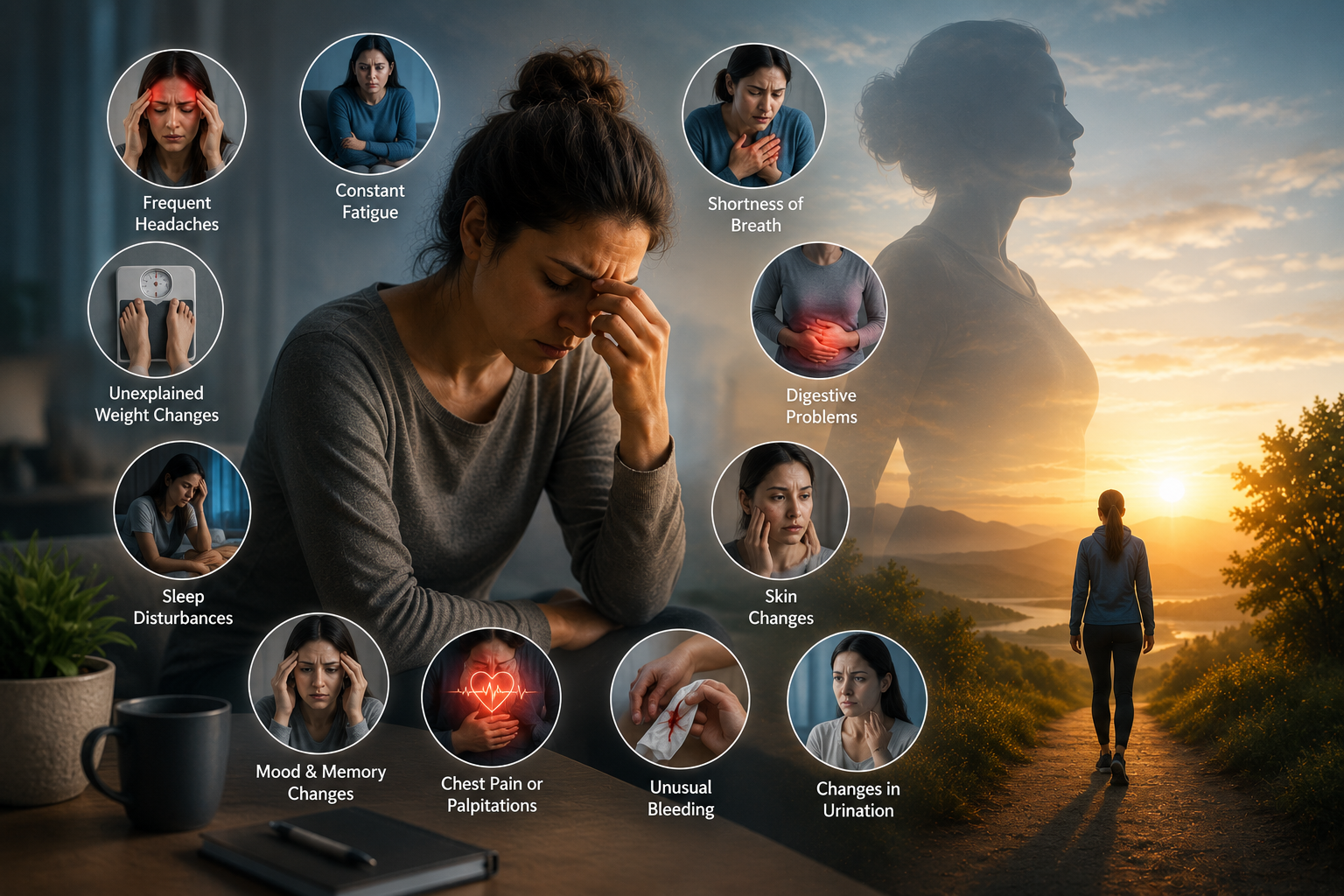
Repeated heavy blood loss can contribute to iron deficiency and, in some cases, iron-deficiency anemia.
Possible symptoms include:
- Tiredness
- Weakness
- Headaches
- Dizziness
- Shortness of breath during activity
- Pale skin
- Reduced concentration
If these symptoms occur alongside heavy periods, a healthcare professional may recommend blood tests to check for anemia or iron deficiency.
Iron supplements should not be started routinely without appropriate advice, because the correct approach depends on the individual's health and test results.
Warning Signs That Should Not Be Ignored
Women should seek medical advice when menstrual bleeding:
- Becomes significantly heavier than usual
- Continues for an unusually long time
- Repeatedly interferes with daily activities
- Causes persistent weakness or tiredness
- Occurs between menstrual periods
- Occurs after menopause
- Is accompanied by persistent pelvic pain
- Is accompanied by unusual vaginal symptoms
- Causes repeated dizziness or faintness
Sudden or extremely heavy bleeding, especially when accompanied by fainting, severe weakness, breathing difficulty, severe pain, or other concerning symptoms, requires prompt medical attention.
When Should You See a Doctor?
Consider scheduling a medical consultation if heavy menstrual bleeding occurs repeatedly or represents a significant change from your usual pattern.
During an appointment, a healthcare professional may ask about:
- When the heavy bleeding started
- How long periods usually last
- How frequently sanitary products need to be changed
- Whether large clots are present
- Pain or other symptoms
- Previous menstrual patterns
- Pregnancy possibility
- Family history
- Current medicines
- Other health conditions
Keeping a menstrual record can make these discussions easier.
How Is the Cause Evaluated?
There is no single test that identifies every cause of heavy menstrual bleeding.
Depending on the symptoms and medical history, evaluation may involve:
- Physical examination
- Blood tests
- Pregnancy testing when appropriate
- Iron or blood-count testing
- Thyroid testing when indicated
- Pelvic ultrasound
- Other imaging or procedures when necessary
The appropriate evaluation depends on the individual's age, symptoms, medical history, and risk factors.
Lifestyle Habits That May Support Overall Well-Being
Healthy habits cannot correct every cause of heavy menstrual bleeding, but they can support general health.
Eat a Balanced Diet
A varied diet can provide important nutrients and may include:
- Green vegetables
- Fruits
- Whole grains
- Pulses
- Protein-rich foods
- Nuts and seeds
- Iron-containing foods
Women experiencing significant blood loss should discuss nutritional needs with a healthcare professional.
Stay Hydrated
Adequate fluid intake supports normal body functions. Drinking enough fluids is particularly important when a person feels weak or unwell.
Get Adequate Rest
Heavy periods can contribute to tiredness. Adequate sleep and appropriate rest can support recovery and daily functioning.
Track Your Menstrual Cycle
Record:
- Start and end dates
- Approximate flow
- Presence of clots
- Pain
- Other unusual symptoms
This information can help identify changes over time.
Common Mistakes to Avoid
When experiencing heavy menstrual bleeding, avoid:
- Assuming very heavy bleeding is always normal
- Ignoring repeated changes in menstrual patterns
- Self-diagnosing the cause
- Taking supplements without appropriate guidance
- Stopping prescribed medicines without medical advice
- Delaying evaluation because symptoms have been present for a long time
- Assuming pain or heavy bleeding must simply be tolerated
Persistent symptoms deserve proper evaluation.
Can Complementary Approaches Be Used?
Some women explore complementary approaches, including homeopathy, as part of their personal wellness preferences.
However, heavy menstrual bleeding can sometimes be caused by conditions that require medical diagnosis and established treatment. Complementary approaches should therefore not replace appropriate evaluation or delay necessary care.
If you are considering a complementary approach, discuss it with a qualified healthcare professional, particularly when bleeding is heavy, persistent, or worsening.
Creating a Simple Menstrual Health Routine
A practical approach can include:
Track: Keep a record of menstrual dates and changes in flow.
Nourish: Maintain a varied and balanced diet.
Rest: Prioritize adequate sleep and recovery.
Observe: Pay attention to new or unusual symptoms.
Consult: Seek professional evaluation when heavy bleeding continues or affects daily life.
Follow up: Complete recommended investigations and follow-up appointments.
Conclusion
Heavy menstrual bleeding can have many possible causes, ranging from hormonal changes and uterine conditions to thyroid problems, bleeding disorders, certain medicines, and pregnancy-related causes.
Occasional variation in menstrual flow can be normal, but repeated or unusually heavy bleeding should not be ignored. It can affect quality of life and may sometimes contribute to iron deficiency or anemia.
Keeping track of menstrual patterns, maintaining healthy lifestyle habits, and discussing persistent changes with a qualified healthcare professional can help women understand what is happening and determine whether further evaluation is needed.
Understanding your menstrual pattern is an important part of understanding your overall health.
Medical Disclaimer
This article is intended for general educational and informational purposes only. It is not a substitute for professional medical advice, diagnosis, or treatment. Heavy menstrual bleeding can have different causes, and appropriate evaluation depends on individual circumstances. If you experience sudden, severe, or concerning bleeding or symptoms such as fainting, severe weakness, difficulty breathing, or severe pain, seek prompt medical attention.