Understanding Irregular Periods: Common Causes and When to Seek Help
Irregular periods are common among women and can happen for many reasons. While an occasional early or late period is usually not a cause for concern, frequent changes in your menstrual cycle may indicate an underlying health issue.
A menstrual cycle is generally considered irregular when the gap between periods is consistently less than 21 days or more than 35 days in adults.
Common Causes of Irregular Periods
1. Hormonal Changes
Hormonal fluctuations during puberty, pregnancy, perimenopause, and other stages of life can affect the menstrual cycle.
2. Stress
Emotional or physical stress can interfere with the hormones responsible for ovulation, potentially making periods late, lighter, or occasionally absent.
3. Pregnancy
A missed period can be an early sign of pregnancy. If pregnancy is possible, taking an appropriate pregnancy test is recommended.
4. Weight Changes
Significant weight gain, weight loss, restrictive dieting, or inadequate nutrition can affect hormone balance and menstrual regularity.
5. PCOS
Polycystic ovary syndrome (PCOS) is a common hormonal condition that may cause irregular periods, acne, increased facial or body hair, hair thinning, or difficulty becoming pregnant.
6. Thyroid Problems
Both an underactive and overactive thyroid can affect menstrual cycles. Other symptoms may include fatigue, weight changes, temperature sensitivity, or changes in bowel habits.
7. Intense Exercise
Excessive exercise combined with inadequate calorie intake can sometimes interfere with ovulation and cause missed or irregular periods.
8. Perimenopause
Women approaching menopause may experience irregular periods, changes in bleeding, hot flashes, sleep difficulties, and mood changes.
How to Support Menstrual Health
Some simple lifestyle habits can support overall hormonal and reproductive health:
- Eat a balanced, nutritious diet.
- Avoid extreme dieting or prolonged calorie restriction.
- Exercise regularly without overtraining.
- Get adequate sleep.
- Manage stress through activities such as walking, yoga, meditation, or hobbies.
- Track your menstrual cycle and note changes in bleeding, pain, and other symptoms.
When Should You Seek Medical Help?
Speak with a healthcare professional if irregular periods are persistent or accompanied by:
- Very heavy bleeding
- Severe menstrual pain
- Bleeding between periods
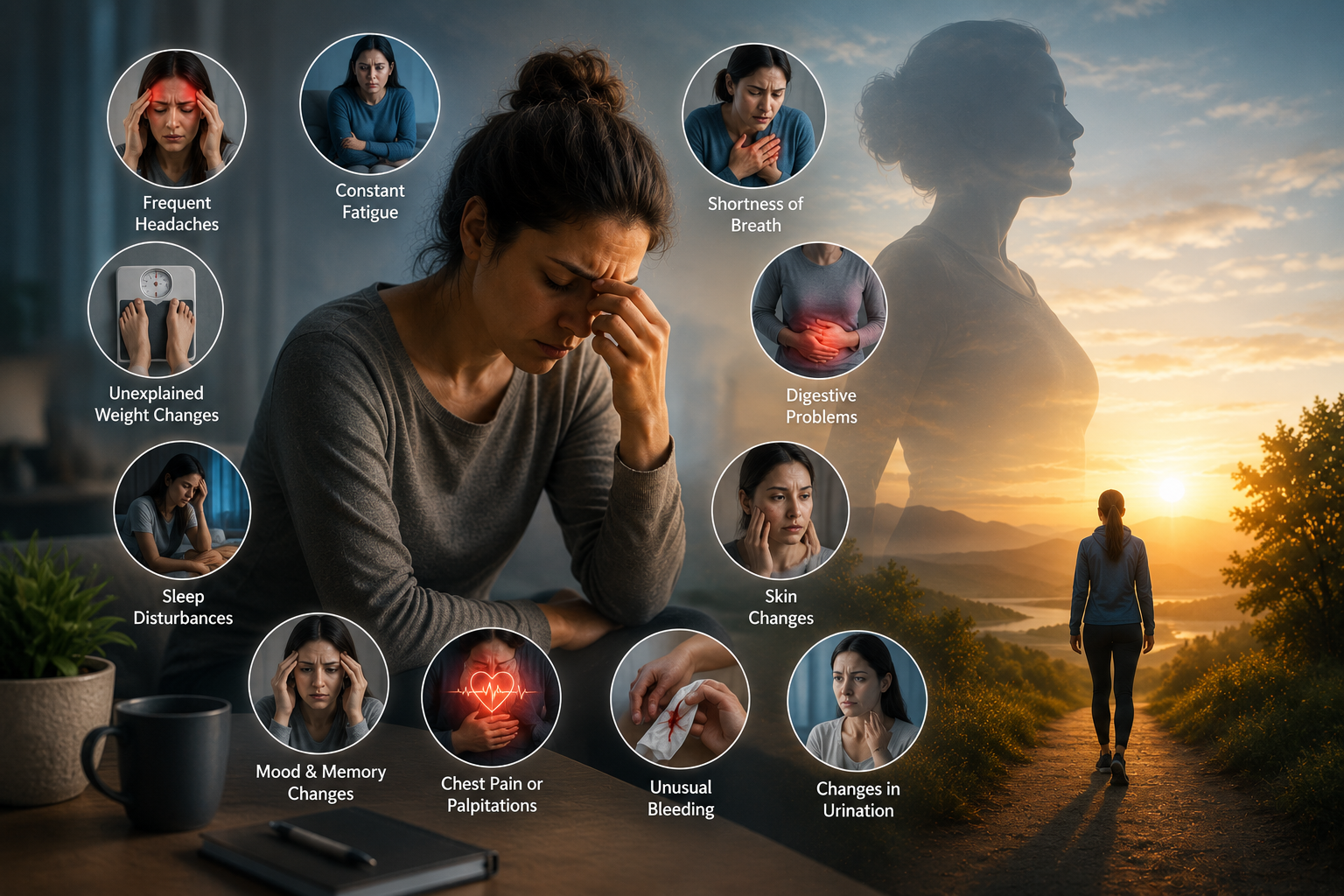
- Unexplained weight changes
- Significant fatigue
- Increased facial or body hair
- Repeatedly missed periods
- Difficulty becoming pregnant
Bleeding after menopause should always be medically evaluated.
Final Thoughts
An occasional change in your menstrual cycle may be normal, but persistent irregular periods should not simply be ignored. Tracking your cycle and paying attention to other symptoms can help identify patterns and provide useful information to your healthcare professional.
Your menstrual cycle can provide valuable clues about your overall health. Understanding your body's patterns is an important part of women's wellness.