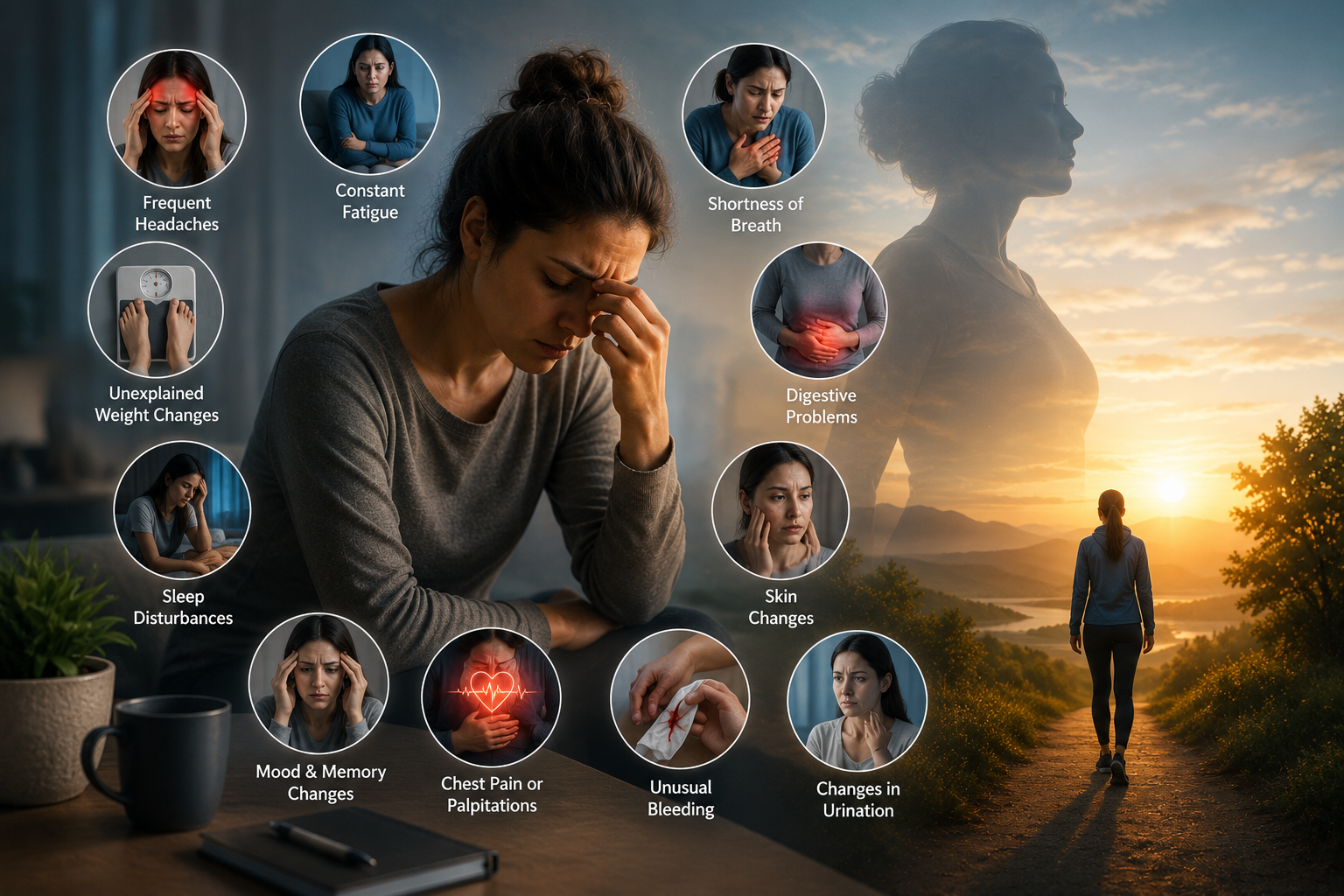
Understanding Migraine: Common Triggers, Symptoms, and Ways to Manage Headaches
Introduction
A recurring headache can affect much more than physical comfort. It can interfere with work, studies, sleep, family responsibilities, and everyday activities. For some people, headaches are occasional and mild, while others experience severe episodes accompanied by nausea, sensitivity to light, or sensitivity to sound.
Migraine is a neurological condition that can cause recurring attacks of moderate to severe head pain and other symptoms. It is sometimes mistaken for an ordinary headache, which may delay appropriate diagnosis and treatment.
Understanding the symptoms of migraine, recognizing possible triggers, and knowing when to seek medical advice can help people manage their condition more effectively.
What Is a Migraine?
Migraine is a neurological disorder characterized by recurring episodes of headache and associated symptoms. The pain often affects one side of the head, although it can occur on both sides.
A migraine attack may last from several hours to a few days if untreated. Its frequency and severity vary from person to person.
Common migraine symptoms include:
Moderate to severe headache
Throbbing or pulsating pain
Nausea or vomiting
Sensitivity to light and sound
Increased discomfort during physical activity
Difficulty concentrating
Fatigue before or after an attack
Some people experience an aura before or during a migraine attack. Aura may involve temporary visual disturbances, such as flashing lights or zigzag patterns, or sensory symptoms such as tingling.
New, sudden, or unusual neurological symptoms should not automatically be assumed to be migraine. They may require urgent medical evaluation.
What Can Trigger a Migraine Attack?
Migraine triggers differ from person to person. A factor that triggers an attack in one individual may not affect another.
1. Irregular Sleep
Sleeping too little, sleeping excessively, or frequently changing sleep schedules may trigger migraine attacks in susceptible individuals.
Maintaining consistent sleeping and waking times can help support a regular routine. If sleep problems persist, consider discussing them with a healthcare professional.
2. Stress and Emotional Pressure
Stress is a commonly reported migraine trigger. Some people experience attacks during stressful periods, while others notice symptoms when stress levels suddenly decrease.
Relaxation exercises, regular breaks, gentle physical activity, and effective stress-management strategies may help support overall well-being.
3. Skipping Meals
Going long periods without eating may trigger migraine in some people. Maintaining regular meal times and avoiding prolonged fasting when it triggers symptoms may be helpful.
A balanced diet with adequate nourishment supports general health, although no single diet prevents every migraine attack.
4. Dehydration
Insufficient fluid intake can contribute to headaches and may trigger migraine in some individuals.
Drinking water regularly throughout the day, particularly during hot weather or physical activity, can help maintain hydration.
5. Hormonal Changes
Some people experience migraine attacks around menstruation because hormonal fluctuations may influence migraine patterns.
Keeping a record of headaches and menstrual dates can help identify recurring patterns. Frequent or disabling headaches should be discussed with a healthcare professional.
6. Environmental Factors
Bright lights, strong smells, loud sounds, and changes in weather may be associated with migraine attacks in some individuals.
Identifying personal triggers can be useful, but avoiding every possible trigger is neither practical nor necessary. Focus on patterns that consistently appear to affect your symptoms.
How Is Migraine Different From a Tension Headache?
Migraine and tension-type headaches can cause discomfort, but they often have different characteristics.
Migraine commonly causes throbbing pain, nausea, sensitivity to light or sound, and worsening discomfort with routine physical activity.
Tension-type headache often produces a pressing or tightening sensation on both sides of the head. Nausea is less typical, and ordinary physical activity does not usually worsen the pain.
These patterns are not always clear-cut. A healthcare professional can assess the symptoms, medical history, and headache pattern to help determine the likely cause.
Practical Ways to Manage Migraine
1. Maintain a Headache Diary
A headache diary can help identify patterns and provide useful information during medical appointments.
Record details such as:
Date and duration of each attack
Location and severity of pain
Associated symptoms
Sleep patterns
Meals and fluid intake
Possible environmental triggers
Medicines taken and their effects
Over time, this information may help you and your healthcare professional recognize patterns and assess whether the treatment plan is working.
2. Follow a Consistent Daily Routine
Regular sleep, balanced meals, adequate hydration, and manageable physical activity can support general well-being.
Try to avoid sudden changes in daily routines when these changes consistently trigger headaches. Small, sustainable habits are often easier to maintain than strict routines that are difficult to follow.
3. Create a Comfortable Environment During an Attack
Some people find relief by resting in a quiet, dark room during a migraine attack.
Reducing exposure to bright lights and loud sounds may make symptoms more manageable. A cool cloth or a comfortable resting position may also help some individuals.
These measures provide comfort but do not replace medical treatment when it is needed.
4. Discuss Treatment Options With a Healthcare Professional
Migraine treatment depends on the frequency, severity, associated symptoms, medical history, and individual circumstances.
A healthcare professional may recommend medicines to relieve an acute attack or preventive treatment for frequent or disabling migraines.
Using pain-relief medicines too frequently can itself contribute to medication-overuse headaches. Follow professional guidance and discuss recurring headaches rather than repeatedly self-medicating.
5. Review Persistent or Changing Symptoms
If headaches become more frequent, last longer, or begin affecting your ability to perform everyday activities, arrange a medical assessment.
A healthcare professional can review potential contributing factors and determine whether further investigation or a change in treatment is appropriate.
When Should You Seek Urgent Medical Care?
Most headaches are not emergencies, but certain symptoms require immediate evaluation.
Seek emergency medical care for:
A sudden, extremely severe headache that reaches maximum intensity rapidly
A headache accompanied by new weakness, difficulty speaking, confusion, fainting, or loss of vision
A headache with fever and a stiff neck
A severe headache following a significant head injury
A new severe headache during pregnancy or shortly after delivery
A first or substantially different headache, or one accompanied by new neurological symptoms, should be assessed promptly rather than automatically attributed to migraine.
Can Lifestyle Changes Prevent Every Migraine?
Lifestyle changes can help some people reduce their migraine burden, but they do not guarantee prevention.
The most useful approach is usually individualized. A person who consistently experiences migraine after missing meals may benefit from regular eating patterns, while someone whose attacks are associated with irregular sleep may benefit from a more consistent sleep schedule.
For people with frequent attacks, lifestyle adjustments may need to be combined with appropriate medical treatment.
It is also important to avoid unnecessary dietary restrictions or unproven remedies. Complementary approaches should be discussed with a qualified healthcare professional, particularly if they involve supplements or products that could interact with existing medicines.
Conclusion
Migraine is more than an ordinary headache. It can affect concentration, energy, sleep, and quality of life, especially when attacks occur frequently or cause severe symptoms.
Recognizing migraine symptoms, recording possible triggers, maintaining consistent daily habits, and seeking appropriate medical advice can help people make informed decisions about their health.
If headaches repeatedly interfere with daily activities, professional evaluation can help identify the likely cause and suitable treatment options. Early recognition and an individualized management plan can make living with migraine more manageable.
Care & Cure Homeopathic Center encourages individuals experiencing recurring headaches to seek reliable health information and consult qualified healthcare professionals for appropriate assessment and care.
Medical disclaimer: This article is for educational purposes only. It does not replace professional medical advice, diagnosis, or treatment.