Understanding Night Sweats: Common Causes and When to Seek Medical Advice
Waking up sweaty occasionally is usually nothing to worry about. A warm bedroom, heavy blankets, intense exercise, or a stressful day can all make a person sweat during sleep. However, repeated night sweats that soak clothing or bedding despite a comfortable sleeping environment may have an underlying cause and should not be ignored.
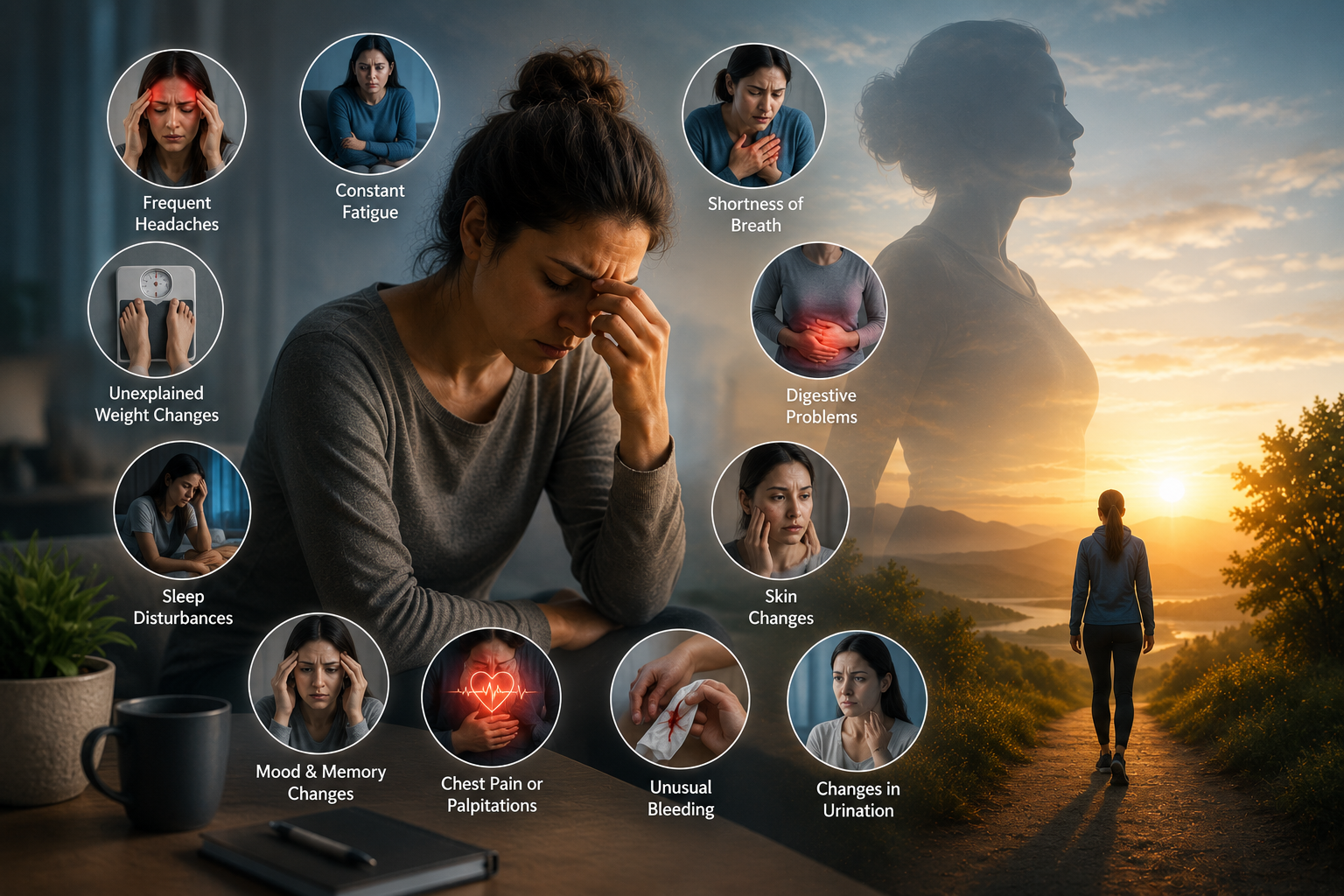
Night sweats can affect people of all ages. They may occur on their own or alongside other symptoms such as fever, tiredness, weight changes, coughing, or changes in sleep. Understanding the possible causes can help you recognize when professional medical advice may be appropriate.
What Are Night Sweats?
Night sweats refer to episodes of excessive sweating during sleep that are not simply explained by a hot room or too many blankets.
Normal sweating is part of the body's temperature-control system. The brain continuously monitors body temperature and activates sweating when the body needs to cool down. Night sweats occur when this process becomes excessive or is triggered by another factor.
It is important to distinguish between normal sweating caused by environmental heat and unexplained sweating that repeatedly interrupts sleep.
Common Causes of Night Sweats
There are many possible reasons for night sweats. Some are temporary and harmless, while others may require medical evaluation.
1. A Warm Sleeping Environment
One of the simplest explanations for sweating at night is excessive heat.
A warm bedroom, thick blankets, heavy nightwear, or poor ventilation can cause sweating during sleep. Adjusting the room temperature, wearing breathable clothing, and using lighter bedding may resolve the problem.
2. Stress and Anxiety
Emotional stress can activate the body's nervous system and increase sweating. People experiencing ongoing worry, anxiety, or stressful life events may notice increased sweating, including during the night.
Relaxation techniques, regular physical activity, consistent sleep habits, and reducing stimulating activities before bedtime may support better sleep.
3. Hormonal Changes
Hormonal fluctuations can affect the body's temperature-regulation system.
For example, some women experience night sweats during perimenopause and menopause, when changing hormone levels can contribute to hot flashes and nighttime sweating.
Other hormonal conditions may also influence sweating and body temperature. Persistent symptoms should be discussed with a healthcare professional.
4. Fever and Infections
The body may produce a fever as part of its response to an infection. As body temperature falls after a fever, sweating can occur.
Respiratory infections, urinary infections, and other infections may sometimes be accompanied by sweating, fever, chills, or fatigue.
Night sweats that occur together with persistent fever or other signs of infection deserve medical attention.
5. Certain Medications
Some medicines can cause increased sweating as a side effect. Examples may include certain antidepressants, pain medicines, hormone-related medications, and medicines that affect fever or blood pressure.
If night sweats begin after starting a new medication, speak with your healthcare professional. Do not stop prescribed medication on your own.
6. Low Blood Sugar
Low blood sugar, also known as hypoglycemia, can sometimes cause sweating, shakiness, hunger, weakness, or confusion.
This can be particularly important for people taking medication for diabetes. Repeated nighttime episodes should be discussed with a healthcare professional so that the underlying cause can be evaluated.
7. Thyroid Problems
An overactive thyroid, known as hyperthyroidism, can increase metabolism and make a person more sensitive to heat. Other symptoms can include rapid heartbeat, nervousness, unexplained weight loss, and increased sweating.
If these symptoms occur together, medical evaluation may be appropriate.
8. Alcohol and Certain Substances
Alcohol can affect sleep and the body's temperature regulation. Some people may experience sweating during the night after drinking alcohol.
Reducing alcohol intake may help improve sleep quality and reduce related symptoms.
9. Sleep-Related Conditions
Some sleep disorders may be associated with nighttime sweating. For example, people with obstructive sleep apnea may experience sweating along with loud snoring, pauses in breathing, gasping during sleep, morning headaches, or excessive daytime sleepiness.
If these symptoms occur, a healthcare professional can determine whether further sleep evaluation is necessary.
Night Sweats in Women
Hormonal changes are a particularly common reason women may experience night sweats.
During perimenopause and menopause, changing estrogen levels can affect the body's temperature regulation and lead to hot flashes and sweating at night.
Maintaining a cool bedroom, wearing lightweight sleepwear, identifying individual triggers, and practicing healthy sleep habits may help some people manage symptoms.
However, severe or unusual symptoms should not automatically be attributed to menopause. A healthcare professional can help rule out other possible causes.
Night Sweats in Men
Men can also experience night sweats for many of the same reasons, including environmental heat, infections, medication effects, alcohol use, stress, hormonal changes, and certain medical conditions.
Repeated night sweating should be considered in the context of other symptoms and overall health rather than being attributed to a single cause.
When Are Night Sweats a Concern?
Occasional sweating during sleep is usually not serious. However, consider speaking with a healthcare professional if night sweats:
Occur frequently without an obvious explanation
Soak your clothes or bedding
Continue for several weeks
Regularly disturb your sleep
Are accompanied by persistent fever
Occur with unexplained weight loss
Are accompanied by persistent cough
Occur with unusual tiredness or weakness
Are associated with swollen lymph nodes
Begin after starting a new medication
Occur together with other unexplained symptoms
These symptoms do not necessarily indicate a serious illness, but they can help a healthcare professional determine whether further evaluation is needed.
What Can You Do at Home?
If your night sweating appears to be related to environmental or lifestyle factors, several simple changes may help.
Keep the Bedroom Comfortable
Maintain a comfortable sleeping temperature and ensure adequate ventilation. Lightweight bedding and breathable sleepwear can also reduce overheating.
Stay Hydrated
Adequate fluid intake throughout the day helps support normal body functions. If you have been advised to restrict fluids because of a medical condition, follow your healthcare professional's recommendations.
Limit Alcohol Before Bed
Alcohol can interfere with sleep and may contribute to sweating in some people. Limiting alcohol, particularly close to bedtime, may improve sleep quality.
Practice Stress Management
If stress appears to trigger nighttime sweating, consider relaxing activities such as gentle stretching, breathing exercises, meditation, reading, or taking a warm—not excessively hot—bath before bed.
Maintain a Consistent Sleep Routine
Going to bed and waking up at similar times each day can support healthy sleep patterns. Avoid excessive screen use, heavy meals, or stimulating activities immediately before bedtime if they interfere with your sleep.
Keep Track of Your Symptoms
A simple symptom diary can sometimes help identify patterns.
Record:
When the night sweats occur
How severe they are
Room temperature and bedding
Food and drinks consumed during the evening
Alcohol or caffeine intake
Medications and supplements
Stress levels
Other symptoms such as fever, cough, pain, or fatigue
This information can be useful when discussing persistent symptoms with a healthcare professional.
How Are Night Sweats Evaluated?
There is no single test used for all cases of night sweats. The evaluation depends on the person's symptoms and medical history.
A healthcare professional may ask about medications, menstrual or hormonal changes, sleep patterns, recent infections, lifestyle factors, and other symptoms. Depending on the situation, physical examination and blood or other diagnostic tests may be recommended.
The goal is to identify the underlying reason rather than simply treating the sweating itself.
Can Night Sweats Be Prevented?
Not every cause of night sweats can be prevented. However, healthy lifestyle habits may reduce sweating related to environmental and lifestyle triggers.
Helpful habits include:
Keeping your sleeping environment comfortable
Wearing breathable clothing
Maintaining a regular sleep schedule
Drinking adequate fluids
Eating a balanced diet
Exercising regularly
Managing stress
Limiting alcohol
Avoiding known personal triggers
Taking medicines exactly as prescribed
If night sweats are caused by an underlying health condition, treating that condition may help reduce the symptoms.
Conclusion
Night sweats can have many causes, ranging from a warm bedroom and stress to hormonal changes, medications, infections, and certain medical conditions. Occasional sweating during sleep is generally not concerning, but persistent or unexplained episodes deserve attention.
Paying attention to accompanying symptoms and keeping track of when night sweats occur can help identify possible triggers. If the sweating is frequent, severe, or accompanied by symptoms such as persistent fever, unexplained weight loss, or ongoing cough, consult a qualified healthcare professional for appropriate evaluation.
Disclaimer: This article is intended for general educational purposes and should not replace professional medical advice, diagnosis, or treatment. If you have persistent, severe, or unexplained night sweats, consult a qualified healthcare professional.