Understanding Pelvic Pain in Women: Common Causes and When to Seek Care
Pelvic pain is discomfort felt in the lower abdomen, pelvis, or surrounding areas. It can be mild or severe, occasional or persistent, and may occur during menstruation, urination, bowel movements, physical activity, or sexual intercourse.
Pelvic pain is common, but it should not always be considered a normal part of being a woman. Because many different conditions can cause similar symptoms, identifying the underlying cause is important. Some causes are temporary and manageable, while others require prompt medical evaluation.
What Is Pelvic Pain?
Pelvic pain refers to discomfort in the lower part of the abdomen or pelvis. It may feel like:
A dull or heavy ache
Cramping or throbbing
Sharp or stabbing pain
Burning or pressure
Pain that comes and goes
Pain that becomes worse with movement
Pain during urination, bowel movements, or sexual intercourse
Pelvic pain can be short-term or persistent. Pain lasting several months or recurring frequently may be considered chronic pelvic pain and may have more than one contributing factor.
Common Causes of Pelvic Pain in Women
There are many possible causes of pelvic pain. Some involve the reproductive system, while others may originate from the urinary system, digestive tract, muscles, or nerves.
1. Menstrual Cramps
Period pain is one of the most common causes of pelvic discomfort. It usually occurs shortly before or during menstruation and may spread toward the lower back or thighs.
Mild menstrual cramps are often a normal part of the menstrual cycle. However, pain that becomes significantly worse, interferes with daily activities, or changes over time should be discussed with a healthcare professional.
2. Ovulation Pain
Some women experience temporary pain around the middle of their menstrual cycle when an ovary releases an egg. This is sometimes called ovulation pain.
It may occur on one side of the lower abdomen and can last from a few minutes to a day or two. Persistent or severe pain should not automatically be assumed to be ovulation pain because other conditions can produce similar symptoms.
3. Ovarian Cysts
Ovarian cysts are fluid-filled sacs that can develop in or on an ovary. Many are harmless and disappear without treatment, but some can cause pelvic pain, pressure, bloating, or discomfort.
A cyst that becomes large, ruptures, or causes twisting of the ovary can lead to more serious symptoms and may require urgent medical attention.
4. Endometriosis
Endometriosis occurs when tissue similar to the lining of the uterus grows outside the uterus. It can cause pelvic pain, particularly around menstruation, and may also be associated with painful sexual intercourse or bowel movements.
When pelvic pain repeatedly occurs around the menstrual cycle, endometriosis may be one of the conditions a healthcare professional considers.
5. Pelvic Inflammatory Disease
Pelvic inflammatory disease (PID) is an infection affecting the female reproductive organs, including the uterus, fallopian tubes, and ovaries.
Possible symptoms include pelvic or lower abdominal pain, pain during sex, unusual vaginal discharge, painful or heavy periods, and bleeding between periods or after sex. Early diagnosis and treatment are important.
6. Urinary Tract Problems
Urinary tract infections can sometimes cause discomfort in the lower abdomen or pelvic region. Burning during urination, needing to urinate more frequently, or changes in urine may occur alongside the pain.
Other bladder conditions can also contribute to recurring pelvic discomfort.
7. Digestive Problems
The digestive system is located close to the pelvic organs, so bowel-related problems can sometimes feel like pelvic pain.
Possible causes include:
Constipation
Irritable bowel syndrome
Other bowel conditions
Gas and abdominal bloating
Persistent digestive symptoms combined with pelvic pain should be evaluated rather than self-diagnosed.
8. Pelvic Floor Muscle Problems
The pelvic floor contains muscles that support the bladder, bowel, and reproductive organs. Tight or overactive pelvic floor muscles can contribute to pelvic discomfort and may cause pain during sexual intercourse or problems involving the bladder or bowel.
9. Pregnancy-Related Causes
Pelvic discomfort can occur during pregnancy for several reasons. Pregnancy-related pelvic girdle pain, for example, can cause discomfort around the pubic bone, lower back, perineum, or thighs and may become worse with walking, climbing stairs, or turning in bed.
However, pelvic pain during pregnancy should be discussed with a healthcare professional because some pregnancy-related conditions require urgent assessment.
Symptoms That May Occur Alongside Pelvic Pain
The symptoms accompanying pelvic pain can provide useful information for a healthcare professional.
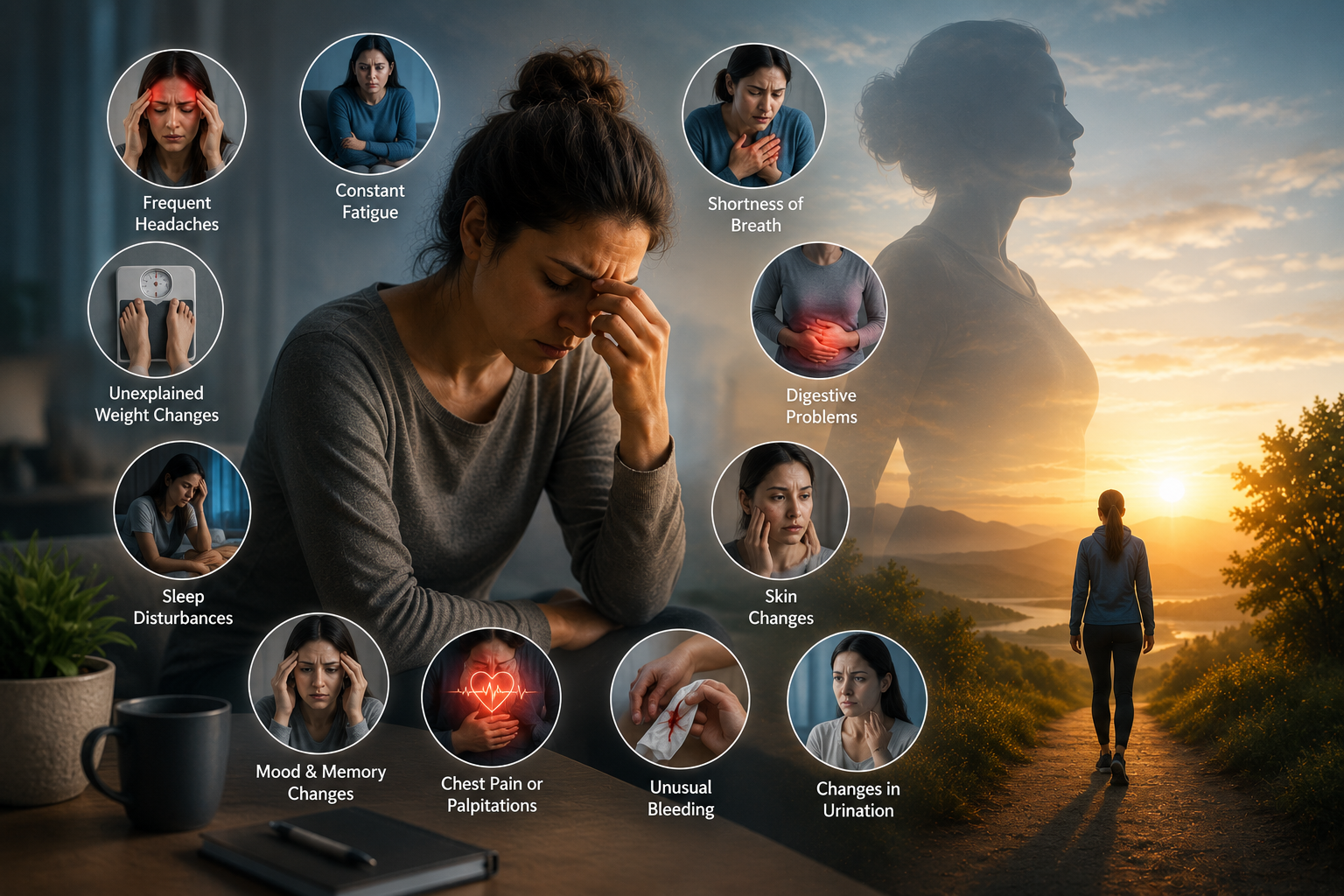
Pay attention to symptoms such as:
Changes in menstrual bleeding
Bleeding between periods
Bleeding after sexual intercourse
Unusual vaginal discharge
Pain during sex
Pain while urinating
Frequent urination
Constipation or diarrhea
Bloating
Nausea or vomiting
Fever or chills
Unexplained weight loss
Changes in appetite
Keeping track of when symptoms occur and what makes them better or worse can be helpful during a medical consultation.
When Should You See a Doctor?
Women should consider medical evaluation when pelvic pain:
Keeps returning
Does not go away
Is interfering with normal daily activities
Is becoming more painful over time
Occurs with unusual vaginal bleeding
Occurs with unusual vaginal discharge
Happens during or after sexual intercourse
Occurs alongside persistent digestive or urinary symptoms
Is accompanied by unexplained weight loss or ongoing bloating
Persistent pelvic pain should not be managed solely through self-diagnosis because several different conditions can produce similar symptoms.
When Is Pelvic Pain an Emergency?
Some pelvic pain requires immediate medical attention.
Seek emergency care if the pain is sudden, severe, worsening, or associated with fainting, dizziness, difficulty breathing, heavy vaginal bleeding, or severe vomiting.
Pelvic pain accompanied by a missed period or possible pregnancy also requires prompt medical assessment because an ectopic pregnancy can cause abdominal or pelvic pain and can become life-threatening if it ruptures.
How Is Pelvic Pain Diagnosed?
Diagnosis depends on the symptoms and suspected cause. A healthcare professional may ask about:
When the pain started
Where the pain occurs
Whether it is constant or intermittent
Relationship to the menstrual cycle
Pain during sex
Urinary or bowel symptoms
Vaginal bleeding or discharge
Possibility of pregnancy
Previous surgeries or medical conditions
Depending on the situation, investigations may include a pregnancy test, urine testing, blood tests, infection testing, or an ultrasound scan. Further specialist evaluation may be recommended when the cause remains unclear or symptoms continue.
Healthy Habits That May Support Overall Pelvic Wellness
Lifestyle habits cannot treat every cause of pelvic pain, but several practices can support general health.
Stay Physically Active
Gentle activities such as walking, stretching, or appropriate exercise can support general fitness. If a particular activity makes your pain worse, stop and discuss it with a healthcare professional.
Maintain a Balanced Diet
A varied diet containing vegetables, fruits, whole grains, protein sources, and healthy fats supports overall nutritional health. Adequate dietary fiber and fluids can also support regular bowel function.
Get Adequate Rest
Good-quality sleep is important for physical and emotional well-being. Establishing a regular sleep routine may help support overall wellness.
Track Your Symptoms
Consider recording your menstrual dates, pain intensity, location of pain, digestive or urinary symptoms, and any unusual bleeding or discharge. This information can help your healthcare professional understand your symptoms more clearly.
Avoid Self-Medicating for Persistent Pain
Occasional mild menstrual discomfort may respond to commonly used pain-relief measures, but recurring or unexplained pelvic pain deserves appropriate evaluation rather than repeated self-treatment.
Can Homeopathy Replace Medical Treatment?
Women interested in homeopathic care should discuss their options with a qualified healthcare professional. Homeopathy should not replace medical evaluation, diagnostic testing, antibiotics when indicated, pregnancy assessment, emergency treatment, or treatment recommended for an identified pelvic condition.
There is insufficient reliable evidence to establish homeopathy as a replacement for evidence-based treatment of conditions such as pelvic inflammatory disease, ectopic pregnancy, ovarian emergencies, or other serious causes of pelvic pain.
Conclusion
Pelvic pain in women can have many different causes, ranging from menstrual cramps and ovulation pain to ovarian cysts, endometriosis, infections, urinary conditions, digestive problems, and pelvic floor disorders.
Because similar symptoms can occur with very different conditions, persistent or unusual pain should be evaluated by a qualified healthcare professional. Sudden or severe pelvic pain, particularly when accompanied by heavy bleeding, fainting, dizziness, vomiting, fever, or possible pregnancy, requires urgent medical attention.
Understanding the warning signs, tracking symptoms, maintaining healthy habits, and seeking timely professional care can help women protect their reproductive and overall health.
Medical Disclaimer: This article is intended for general educational purposes only and does not replace professional medical diagnosis, treatment, or advice. If you experience severe, sudden, persistent, or unexplained pelvic pain, consult a qualified healthcare professional promptly.