Understanding the Relationship Between Stress and Menstrual Health
Stress is a normal part of everyday life. Work responsibilities, family concerns, financial pressure, relationship challenges, lack of sleep, and major life changes can all contribute to stress. While occasional stress is usually manageable, prolonged or intense stress can affect both mental and physical well-being.
For women, one area that may be affected by ongoing stress is the menstrual cycle. Research and guidance from the U.S. Office on Women’s Health indicate that chronic stress can contribute to irregular periods, changes in premenstrual symptoms, and, in some cases, missed periods.
Understanding this connection can help women pay closer attention to changes in their menstrual health and recognize when professional guidance may be appropriate.
What Is Stress?
Stress is the body's response to a challenge or change. In short-term situations, stress can increase alertness and energy, helping a person respond to a demanding situation.
The concern arises when stress becomes frequent or continues for a long period.
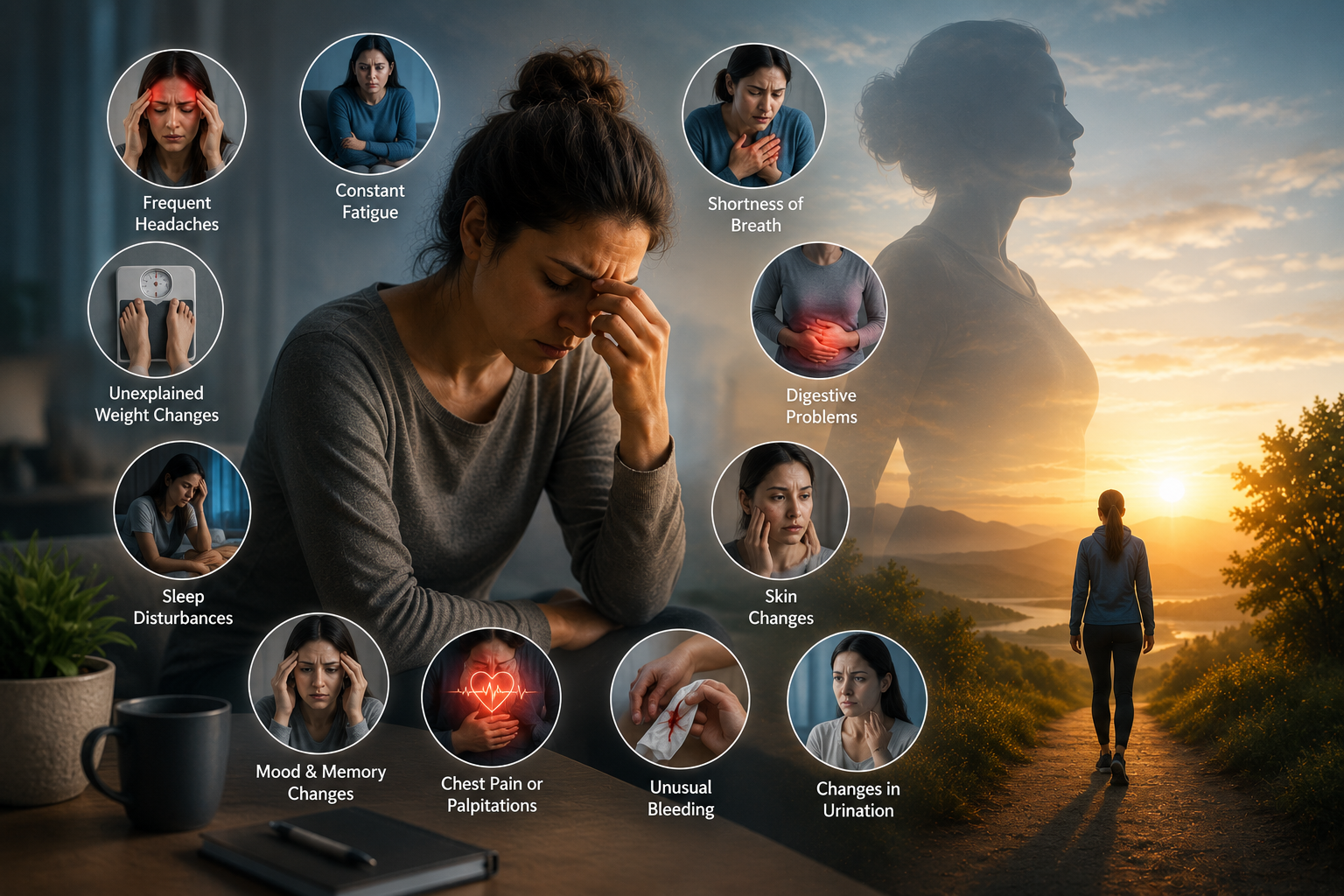
Long-term stress can be associated with symptoms such as:
- Difficulty sleeping
- Fatigue
- Headaches
- Digestive problems
- Difficulty concentrating
- Mood changes
- Changes in appetite
- Feeling overwhelmed
- Reduced energy
The effects of stress can vary considerably from one person to another.
How Can Stress Affect the Menstrual Cycle?
The menstrual cycle is regulated by a complex interaction between the brain and reproductive hormones.
When the body experiences prolonged stress, the systems involved in regulating reproduction can be affected. The Office on Women's Health notes that chronic stress can contribute to irregular periods, while severe long-term stress may sometimes interfere with the processes that control ovulation and menstruation.
This means some women may notice changes such as:
- Periods arriving earlier or later
- Changes in cycle length
- Missed periods
- Changes in premenstrual symptoms
- Increased menstrual discomfort
- Changes in energy and mood around the cycle
However, stress is only one possible cause of menstrual changes. Hormonal conditions, thyroid problems, pregnancy, changes in weight, certain medications, and other health conditions can also affect periods.
Stress and PMS Symptoms
Premenstrual syndrome, commonly known as PMS, can include physical and emotional symptoms that occur before menstruation.
Symptoms may include:
- Mood changes
- Irritability
- Fatigue
- Anxiety
- Headaches
- Cramps
- Bloating
- Breast tenderness
- Sleep problems
- Changes in appetite
The Office on Women's Health notes that women experiencing high levels of stress may be more likely to experience PMS symptoms.
This does not mean that stress is the only cause of PMS. Hormonal fluctuations during the menstrual cycle also play an important role.
The Stress-Sleep-Menstrual Health Connection
Stress and sleep can influence each other.
A stressful day may make it difficult to relax at night, while inadequate sleep can make it harder to manage stress the following day.
Poor sleep may also make certain PMS symptoms, including mood changes and fatigue, feel more difficult to manage.
Creating a consistent sleep routine can therefore be an important part of overall menstrual wellness.
Stress and Hormonal Changes
Hormones naturally change throughout the menstrual cycle.
Estrogen and progesterone levels fluctuate during the cycle, and these changes can influence physical, mental, and emotional experiences.
When stress is added to these normal hormonal fluctuations, some women may feel that their symptoms become more noticeable.
For example, a woman might experience:
Stress ? Poor sleep ? Increased fatigue ? Greater difficulty managing PMS symptoms
This does not happen to everyone, but recognizing personal patterns can be useful.
Can Stress Cause Irregular Periods?
Yes, long-term stress can contribute to irregular periods. According to the Office on Women's Health, chronic stress is one possible cause of irregular menstrual cycles.
In cases of severe, prolonged stress, menstruation may stop because stress can affect the part of the brain involved in regulating reproduction.
However, an irregular or missed period should not automatically be blamed on stress.
If previously regular periods suddenly become irregular, it is important to consider other possible causes and seek appropriate medical evaluation.
Tracking Your Menstrual Cycle
Keeping track of your menstrual cycle can help you understand your individual patterns.
You can record:
- First day of your period
- Number of days of bleeding
- Cycle length
- Pain or cramps
- Mood changes
- Energy levels
- Sleep quality
- Stress levels
- Headaches
- Bloating
- Other noticeable symptoms
Over several months, this information may help you identify whether certain symptoms regularly occur around particular stages of your cycle.
It can also give a healthcare professional useful information when discussing menstrual concerns.
Healthy Ways to Manage Everyday Stress
Stress cannot always be eliminated, but healthy coping strategies may help reduce its impact.
Regular Physical Activity
Walking, stretching, yoga, or other enjoyable forms of physical activity can support overall physical and emotional well-being.
Maintain a Consistent Sleep Routine
Try to maintain regular sleeping and waking times and create a relaxing routine before bed.
Eat Balanced Meals
Regular, balanced meals can support energy levels and general health.
Take Short Breaks
If work or responsibilities are overwhelming, taking short breaks during the day can provide an opportunity to reset.
Practice Relaxation
Breathing exercises, meditation, journaling, and other relaxation techniques may help some people manage stress.
Stay Connected
Talking with trusted friends, family members, or professionals can provide emotional support during stressful periods.
When Menstrual Changes Need Attention
Not every change in the menstrual cycle indicates a serious problem. However, persistent or significant changes should not simply be ignored.
Consider speaking with a healthcare professional if you experience:
- Repeatedly irregular periods
- Periods occurring less than 24 days or more than 38 days apart
- Missing periods for several months
- Very heavy bleeding
- Severe menstrual pain
- Bleeding between periods
- A sudden change from your usual cycle
- Symptoms that interfere with work, education, or daily activities
The Office on Women's Health recommends discussing new or concerning menstrual changes with a doctor or nurse.
Stress Is Not Always the Whole Explanation
It can be tempting to assume that a stressful period of life explains every menstrual change. But menstrual health is influenced by many factors.
Other possible contributors include:
- Pregnancy
- Changes in body weight
- Polycystic ovary syndrome (PCOS)
- Thyroid disorders
- Certain medications
- Eating disorders
- Perimenopause
- Other reproductive or medical conditions
For this reason, persistent menstrual changes deserve proper evaluation rather than self-diagnosis.
Supporting Overall Women's Health
Managing menstrual health involves more than focusing on the period itself.
Sleep, nutrition, physical activity, emotional well-being, stress management, and regular healthcare can all contribute to overall wellness.
A useful approach is to look at the complete picture:
Stress + Sleep + Nutrition + Activity + Hormonal Changes + Menstrual Symptoms
Understanding how these factors relate to each other can help women become more aware of changes in their bodies.
A Personalized Approach
Every woman's menstrual experience is different. Some women may notice significant changes during stressful periods, while others may notice very little difference.
The goal should not be to assume that stress is responsible for every menstrual problem. Instead, women can use symptom tracking and professional guidance to better understand their individual health patterns.
A healthcare professional can help determine whether symptoms are likely related to stress, normal hormonal changes, or another underlying condition.
Conclusion
Stress and menstrual health can be closely connected. Long-term stress may contribute to irregular periods and may be associated with more noticeable PMS symptoms.
At the same time, menstrual changes can have many different causes, so persistent or unusual symptoms should not automatically be attributed to stress.
Paying attention to your menstrual cycle, maintaining healthy lifestyle habits, managing stress, getting adequate sleep, and seeking professional advice when needed can all support better women's health.
Understanding your body's patterns is an important step toward recognizing changes early and making informed decisions about your health.