Understanding Vitamin D Deficiency in Women: Signs, Causes and Prevention
Introduction
Vitamin D is an essential nutrient that plays an important role in maintaining healthy bones, muscles, and several other body functions. Although the body can produce vitamin D when skin is exposed to sunlight, many people may not get enough through sunlight and diet alone.
Women can be particularly vulnerable to inadequate vitamin D because of lifestyle factors, limited outdoor exposure, dietary patterns, increasing age, and certain health conditions. Understanding the signs and causes of vitamin D deficiency can help women take appropriate steps toward maintaining their overall health.
Vitamin D helps the body absorb calcium and supports normal bone mineralization. It also contributes to normal muscle, nerve, and immune function.
What Is Vitamin D?
Vitamin D is a fat-soluble vitamin that comes primarily from three sources:
- Sunlight exposure
- Certain foods
- Dietary supplements
The body converts vitamin D into forms that can be used for various physiological functions. A blood measurement called 25-hydroxyvitamin D [25(OH)D] is commonly used to assess vitamin D status.
Vitamin D works closely with calcium and phosphorus to support healthy bones. When vitamin D levels are very low, adults can develop osteomalacia, which may cause bone pain and muscle weakness.
Why Is Vitamin D Important for Women?
Vitamin D has several important roles in women's health.
1. Supports Bone Health
Adequate vitamin D helps the body absorb calcium, which is essential for maintaining strong bones. Long-term inadequate vitamin D and calcium can contribute to weakened bones and increase concerns surrounding osteoporosis, particularly as women age.
2. Supports Muscle Function
Vitamin D is involved in normal muscle function. Severe deficiency can be associated with muscle weakness.
3. Supports the Immune System
Vitamin D also contributes to normal immune function. However, this does not mean that taking high-dose vitamin D supplements will prevent infections or replace appropriate medical care.
4. Supports Normal Nerve Function
Vitamin D is involved in normal nerve function and helps the body carry messages between the brain and other parts of the body.
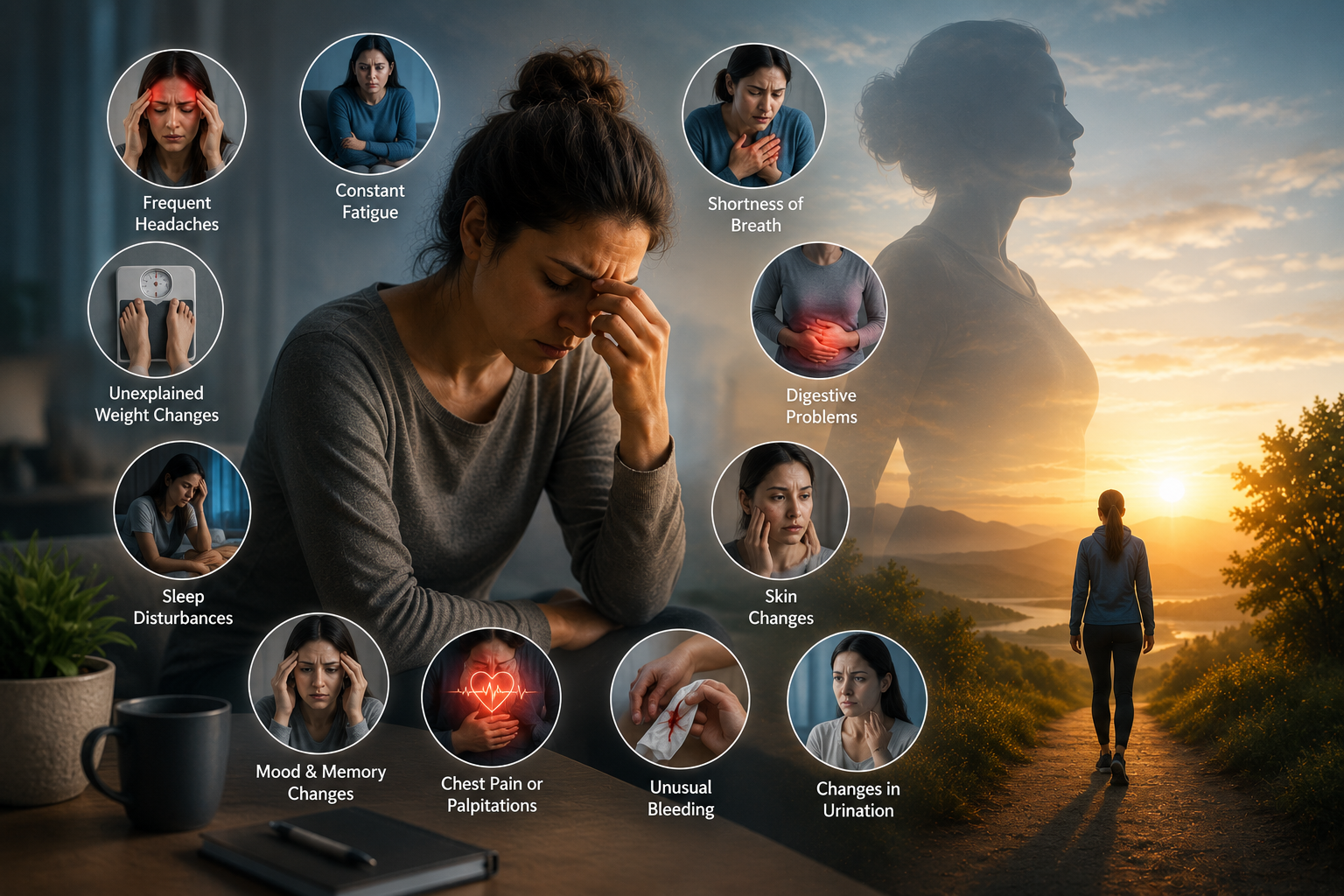
Signs of Vitamin D Deficiency
Vitamin D deficiency may sometimes occur without obvious symptoms. When deficiency becomes significant, symptoms can include:
- Bone pain
- Muscle weakness
- General physical discomfort
- Increased susceptibility to bone problems
- Fatigue or low energy in some individuals
Because these symptoms can occur with many other conditions, they cannot by themselves confirm vitamin D deficiency.
A healthcare professional may recommend a blood test when deficiency is suspected.
Common Causes of Vitamin D Deficiency in Women
Limited Sunlight Exposure
The skin produces vitamin D when exposed to ultraviolet B radiation from sunlight. Women who spend most of their time indoors may have less opportunity for vitamin D production.
Work schedules, indoor lifestyles, covering most of the skin outdoors, and avoiding sunlight can all reduce exposure.
Darker Skin
People with darker skin generally produce less vitamin D from the same amount of sunlight compared with people with lighter skin.
Dietary Factors
Only a relatively small number of foods naturally contain vitamin D. Important dietary sources include fatty fish, egg yolks, some meats, liver, mushrooms, and vitamin-D-fortified foods.
Women who follow restrictive diets may need to pay particular attention to dietary sources and discuss supplementation with a healthcare professional when appropriate.
Certain Digestive Conditions
Conditions that interfere with fat absorption can reduce the absorption of vitamin D because it is a fat-soluble vitamin.
Examples include some gastrointestinal conditions such as Crohn's disease, celiac disease, and ulcerative colitis.
Increasing Age
As people get older, the skin becomes less efficient at producing vitamin D from sunlight. Older adults are therefore among the groups more likely to have inadequate vitamin D status.
Obesity
People with obesity may have a greater risk of vitamin D inadequacy and may sometimes require individualized advice regarding vitamin D intake.
Vitamin D and Pregnancy
Pregnancy is an important period when nutritional needs need careful attention.
Pregnant and breastfeeding women have a recommended vitamin D intake of 15 mcg (600 IU) per day according to the U.S. National Institutes of Health consumer guidance.
Women who are pregnant or breastfeeding should discuss supplements with their doctor or qualified healthcare professional rather than starting high-dose vitamin D on their own.
How Can Women Get Vitamin D Naturally?
1. Sensible Sun Exposure
Sunlight is one of the body's natural sources of vitamin D. However, there is no universal amount of sunlight that guarantees adequate vitamin D because production varies according to factors such as skin pigmentation, season, location, clothing, and age.
Sun exposure also carries a risk of skin damage and skin cancer, so deliberately seeking prolonged unprotected exposure is not recommended as a vitamin D strategy.
2. Include Vitamin D-Rich Foods
Useful food sources include:
- Salmon
- Sardines
- Mackerel
- Trout
- Egg yolks
- Some mushrooms
- Fortified foods
- Certain fortified dairy or plant-based beverages
Fatty fish are among the better natural food sources of vitamin D.
3. Maintain a Balanced Diet
A balanced diet containing adequate calcium, protein, fruits, vegetables, whole grains, and other essential nutrients supports overall nutritional health.
Vitamin D is only one part of maintaining strong bones and healthy muscles.
Should Every Woman Take a Vitamin D Supplement?
Not necessarily.
Whether supplementation is appropriate depends on factors such as diet, lifestyle, age, health conditions, medications, and vitamin D status.
A blood test measuring 25-hydroxyvitamin D can help assess vitamin D status when testing is clinically appropriate. The NIH notes that levels below 12 ng/mL are considered too low, while 20 ng/mL or above is adequate for most people under the Food and Nutrition Board framework.
It is important not to assume that taking more vitamin D is always better.
Can Too Much Vitamin D Be Harmful?
Yes.
Because vitamin D is fat-soluble, excessive supplementation can cause dangerously high calcium levels in the blood. Very high vitamin D levels can lead to nausea, vomiting, weakness, excessive thirst and urination, kidney stones, and in severe cases kidney failure or abnormal heart rhythms. Excessive vitamin D is generally caused by very high supplement intake rather than sunlight exposure.
For adults, the general tolerable upper intake level is 100 mcg (4,000 IU) per day from all sources, although healthcare professionals may prescribe higher amounts for a limited period when treating confirmed deficiency.
Who May Need Extra Attention?
Women may want to discuss vitamin D with a healthcare professional if they:
- Spend very little time outdoors
- Have darker skin
- Are older
- Have a condition affecting nutrient absorption
- Have undergone weight-loss surgery
- Follow a diet with few vitamin D sources
- Have been diagnosed with low vitamin D
- Are pregnant or breastfeeding
- Take medicines that may affect vitamin D metabolism
Some medications and medical conditions can affect vitamin D levels, so individualized advice is important.
When Should You Consider Medical Evaluation?
Vitamin D deficiency cannot reliably be diagnosed based only on symptoms.
Consider discussing your concerns with a healthcare professional if you experience persistent bone or muscle symptoms, have risk factors for deficiency, or have been advised that you may have low vitamin D.
A healthcare professional can determine whether testing is appropriate and recommend treatment based on your individual circumstances.
A Holistic Approach to Women's Wellness
Vitamin D is one component of overall women's health. Healthy nutrition, regular physical activity, adequate sleep, sensible sunlight exposure, and appropriate preventive healthcare all contribute to long-term well-being.
Women should avoid relying on a single nutrient or supplement as a solution for multiple health concerns. Persistent symptoms should be evaluated to identify their actual cause.
Homeopathy or other complementary approaches should not replace medically necessary testing or evidence-based treatment for confirmed vitamin D deficiency.
Final Thoughts
Vitamin D plays an important role in bone, muscle, nerve, and immune function. Women who spend limited time outdoors, have certain dietary or digestive concerns, or belong to other higher-risk groups may be more likely to develop inadequate vitamin D levels.
The best approach is to focus on balanced nutrition, sensible sunlight exposure, regular physical activity, and professional guidance when supplementation or testing is needed.
Taking care of your vitamin D levels is not about taking the highest dose. It is about understanding your body's needs and maintaining a healthy balance.