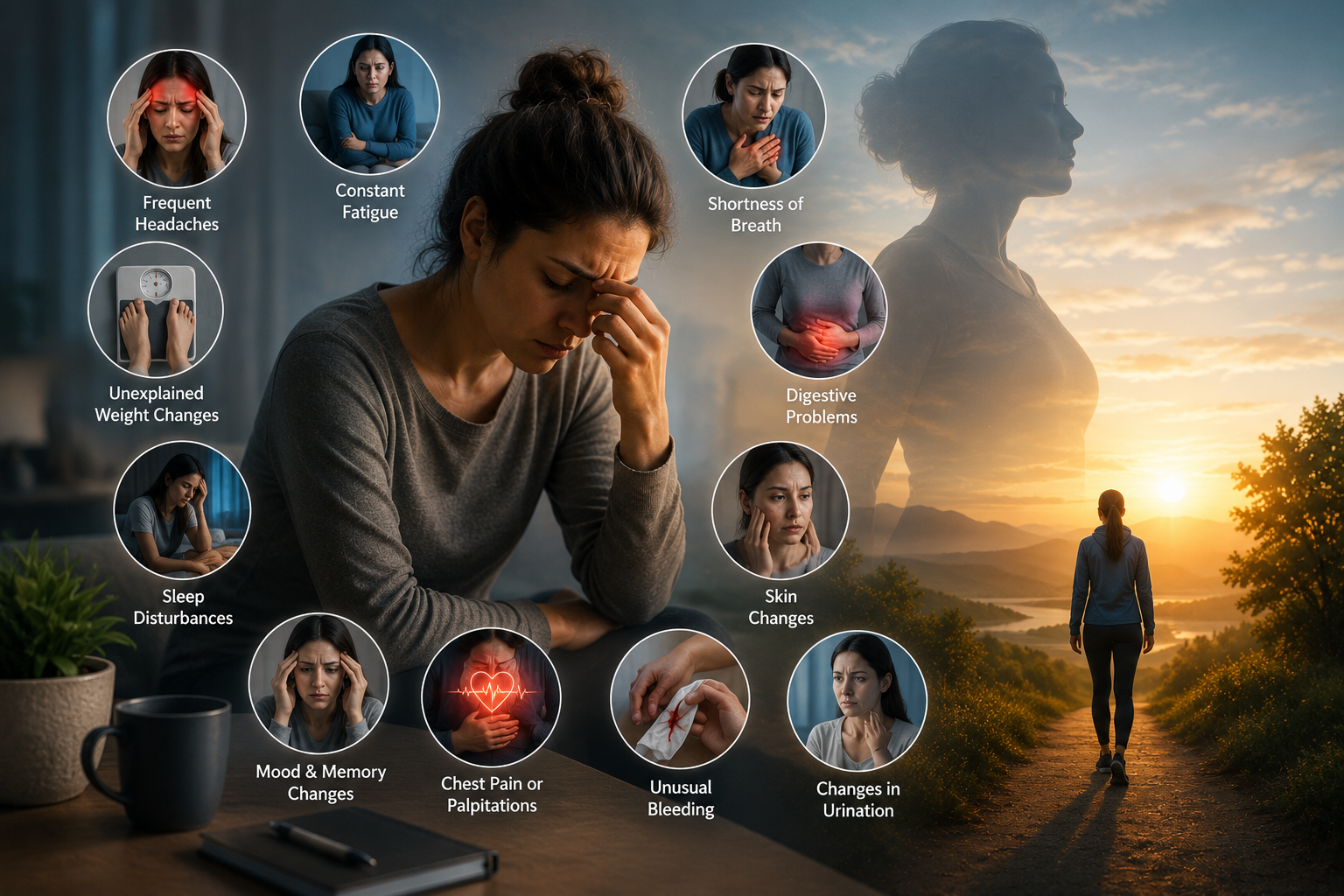
Vitamin D Deficiency: Symptoms, Causes, and Prevention
Introduction
Vitamin D plays an important role in maintaining healthy bones, supporting muscle function, and helping the body absorb calcium. It is an essential nutrient for people of all ages, contributing to normal bone development and overall health.
Despite its importance, vitamin D deficiency is a common health concern. Limited sun exposure, dietary factors, certain medical conditions, and problems with nutrient absorption can increase the risk of low vitamin D levels.
Some people with vitamin D deficiency may not experience noticeable symptoms, while others may develop bone discomfort, muscle weakness, or other health problems. Understanding the possible signs, causes, and prevention strategies can help people make informed decisions about their health.
What Is Vitamin D Deficiency?
Vitamin D deficiency occurs when the body does not have enough vitamin D to support its normal functions.
The body produces vitamin D when the skin is exposed to ultraviolet B (UVB) rays from sunlight. Vitamin D can also be obtained from certain foods and supplements.
Once produced or consumed, vitamin D undergoes processing in the body to become available for its biological functions. One of its most important roles is helping the body absorb calcium and phosphorus, which are essential for healthy bones and teeth.
Severe or prolonged deficiency can lead to bone disorders. In children, it can cause rickets, while in adults it may contribute to osteomalacia, a condition involving softening of the bones.
Common Symptoms of Vitamin D Deficiency
Symptoms can vary depending on the severity and duration of the deficiency. Some people have low vitamin D levels without experiencing obvious symptoms.
1. Bone Pain or Discomfort
Vitamin D supports calcium absorption and bone mineralization. When levels remain low, some individuals may develop bone pain or tenderness.
Persistent or unexplained bone pain should be evaluated by a healthcare professional rather than automatically attributed to vitamin D deficiency.
2. Muscle Weakness
Low vitamin D levels can be associated with muscle weakness and reduced physical function.
Some people may notice difficulty climbing stairs, getting up from a seated position, or performing everyday activities. These symptoms can also occur for many other reasons, so medical assessment may be necessary.
3. Fatigue and Low Energy
Some people with vitamin D deficiency report tiredness or low energy. However, fatigue is a nonspecific symptom and may also be associated with sleep problems, anaemia, thyroid disorders, stress, or other medical conditions.
A healthcare professional can help determine whether vitamin D deficiency or another issue may be contributing to persistent fatigue.
4. Bone Problems in Children
Vitamin D is particularly important during childhood because bones are growing and developing rapidly.
Severe deficiency in children can cause rickets, which may lead to poor bone mineralization, bone deformities, delayed growth, and other complications.
Children with concerns about bone development or growth should receive appropriate medical evaluation.
5. Increased Risk of Bone Fractures
Long-standing vitamin D deficiency can contribute to poor bone mineralization and may increase the risk of certain bone complications.
Fracture risk is influenced by several factors, including age, bone density, physical activity, nutrition, and other medical conditions. Vitamin D status is only one part of overall bone health.
What Causes Vitamin D Deficiency?
Several factors can contribute to low vitamin D levels.
1. Limited Sun Exposure
Sunlight is an important source of vitamin D for many people. Spending most of the day indoors, covering most of the skin, or living in conditions that limit UVB exposure may reduce vitamin D production.
However, the amount of vitamin D produced varies with skin pigmentation, season, latitude, time outdoors, age, and other factors.
Sun exposure should always be balanced with skin protection. Deliberate sunburn or prolonged unprotected exposure is not a safe way to improve vitamin D levels.
2. Inadequate Dietary Intake
Only a limited number of foods naturally contain substantial amounts of vitamin D.
Dietary sources include:
Oily fish, such as salmon and sardines
Egg yolks
Vitamin D-fortified milk and other fortified foods
Fortified breakfast cereals and selected plant-based products
People following vegetarian or vegan diets may need to pay particular attention to suitable dietary sources and discuss supplementation with a healthcare professional if necessary.
3. Problems With Nutrient Absorption
Certain digestive conditions can interfere with the absorption of fat-soluble vitamins, including vitamin D.
Examples include some cases of coeliac disease, inflammatory bowel disease, and other disorders affecting fat absorption.
People with these conditions may need individualized nutritional assessment and monitoring.
4. Age and Individual Risk Factors
Older adults may have a reduced capacity to produce vitamin D through the skin. People who spend little time outdoors or have limited dietary intake may also be at increased risk.
Obesity and certain medical conditions or medications can influence vitamin D status as well.
Having a risk factor does not necessarily mean that a person is deficient. Testing may be appropriate when a healthcare professional considers it necessary.
How Can Vitamin D Deficiency Be Diagnosed?
Symptoms alone cannot reliably confirm vitamin D deficiency.
A healthcare professional may recommend a blood test measuring 25-hydroxyvitamin D, commonly written as 25(OH)D, when a person's symptoms, medical history, or risk factors justify testing.
The results should be interpreted in the context of individual health needs and the laboratory's reference ranges.
Routine testing is not necessary for everyone. A clinician can determine whether testing is appropriate and whether additional investigations are needed to assess bone health or identify an underlying cause.
Avoid starting high-dose vitamin D supplements simply because you feel tired or experience muscle discomfort.
Practical Ways to Prevent Vitamin D Deficiency
1. Include Vitamin D Sources in Your Diet
A balanced diet can help improve vitamin D intake.
Consider including suitable foods such as oily fish, eggs, and vitamin D-fortified products, depending on your dietary preferences.
Food choices alone may not provide enough vitamin D for everyone, particularly for people with increased requirements or absorption problems.
2. Spend Time Outdoors Safely
Outdoor activity can support general health and may contribute to vitamin D production.
The amount of sunlight needed varies significantly between individuals and environmental conditions. There is no single safe exposure duration that works for everyone.
Follow appropriate sun-protection practices and avoid intentional tanning or sunburn.
3. Consider Supplements When Recommended
Vitamin D supplements may be appropriate for people who have a confirmed deficiency or specific risk factors.
The suitable dose depends on factors such as age, test results, medical history, and individual requirements. Infants, children, pregnant individuals, older adults, and people with certain medical conditions may require specific guidance.
Excessive vitamin D supplementation can cause toxicity, leading to high blood calcium levels and potentially serious complications.
Always consult a qualified healthcare professional before starting high-dose supplements.
4. Support Overall Bone Health
Vitamin D works alongside other nutrients and lifestyle factors to support healthy bones.
Useful habits include:
Eating a balanced diet with adequate calcium
Participating in appropriate weight-bearing physical activity
Avoiding smoking
Limiting excessive alcohol consumption
Seeking medical advice for persistent bone pain or muscle weakness
These measures support general bone health but do not replace treatment for an established deficiency.
Who May Need Extra Attention?
Some groups may be more likely to develop vitamin D deficiency or complications from low levels.
These include:
People with limited sun exposure
Older adults
Individuals with conditions affecting nutrient absorption
People with certain chronic medical conditions
Individuals taking medicines that affect vitamin D metabolism
Children who do not receive adequate vitamin D
People with a previously diagnosed deficiency
The appropriate approach differs by age and individual circumstances. Preventive supplementation may be recommended for certain groups under local health guidance, while others may need assessment before treatment.
Can Homeopathy Treat Vitamin D Deficiency?
Homeopathy has not been established by reliable scientific evidence as an effective treatment for vitamin D deficiency. It should not replace appropriate testing, nutritional correction, or medically recommended vitamin D supplementation.
If a deficiency is suspected or confirmed, consult a qualified healthcare professional to determine the cause and an appropriate treatment plan.
People using complementary healthcare services should inform their healthcare professionals about any products they take, particularly when managing an existing medical condition.
When Should You Consult a Healthcare Professional?
Seek medical advice if you experience persistent bone pain, unexplained muscle weakness, recurring fractures, or symptoms that interfere with everyday activities.
Children with concerns about growth or bone development should be assessed promptly.
A healthcare professional can evaluate possible causes, recommend testing when appropriate, and advise on suitable treatment or prevention strategies.
Do not assume that every episode of fatigue, body pain, or weakness is caused by vitamin D deficiency, as these symptoms can have many different explanations.
Conclusion
Vitamin D is essential for calcium absorption, bone mineralization, and normal muscle function. Low vitamin D levels may develop because of limited sun exposure, inadequate dietary intake, certain medical conditions, or other individual risk factors.
Recognizing possible symptoms, maintaining a balanced diet, spending time outdoors safely, and seeking medical advice when needed can help support healthy vitamin D levels.
When deficiency is suspected, appropriate assessment is important because symptoms alone cannot establish the diagnosis. With evidence-based guidance and individualized care, people can take practical steps to protect their bone health and overall well-being.
Care & Cure Homeopathic Center encourages individuals to seek reliable health information and consult qualified healthcare professionals for advice suited to their needs.
Medical disclaimer: This article is for educational purposes only and does not replace professional medical advice, diagnosis, or treatment.