Why Do You Feel Mentally Exhausted Even After Rest?
Have you ever slept for several hours, taken a break from work, or spent a quiet weekend at home, yet still felt completely drained?
Feeling tired after a busy day is normal. But when mental exhaustion continues even after rest, it may be a sign that your body or mind needs more attention.
Mental exhaustion can feel like having no mental energy, difficulty concentrating, low motivation, forgetfulness, or feeling overwhelmed by tasks that normally seem manageable. Fatigue itself is a symptom rather than a disease and can have many possible causes.
What Is Mental Exhaustion?
Mental exhaustion is a feeling of being mentally drained or unable to cope with normal cognitive demands.
You may notice:
- Difficulty concentrating
- Forgetfulness
- Feeling mentally “heavy”
- Trouble making decisions
- Lack of motivation
- Irritability
- Feeling overwhelmed
- Difficulty completing routine tasks
- Poor memory or “brain fog”
- Feeling tired even after sleeping
Mental and physical fatigue can also occur together.
Why Can You Feel Tired Even After Rest?
1. Your Sleep May Not Be Restorative
Getting enough time in bed does not always mean that you are getting good-quality sleep.
Frequent nighttime waking, insomnia, an uncomfortable sleep environment, or sleep disorders can leave you feeling tired the following day.
For example, sleep apnea can cause repeated interruptions in breathing during sleep and may result in daytime tiredness.
If you regularly wake up feeling as though you barely slept, your sleep quality may deserve attention.
2. Ongoing Stress Can Drain Your Mental Energy
Resting physically does not always mean your mind is resting.
If you spend your day worrying about work, family responsibilities, finances, relationships, or other concerns, your brain may remain in a state of constant alertness.
Stress is a recognized contributor to tiredness and fatigue.
Taking time away from work may not feel restorative if you continue thinking about unfinished tasks or worrying about problems.
3. Too Much Mental Stimulation
Constant notifications, emails, social media, multitasking, and information overload can leave you feeling mentally exhausted.
When your attention is repeatedly pulled in different directions, it can become difficult to give your mind genuine downtime.
Try creating periods during the day when you are not checking your phone, responding to messages, or consuming new information.
4. Your Diet May Not Be Supporting Your Energy
Your body needs adequate nutrition to maintain normal energy and brain function.
Skipping meals, following highly restrictive diets, or having an unbalanced eating pattern may contribute to tiredness.
Certain nutritional deficiencies can also cause fatigue. Iron deficiency anemia, for example, can cause tiredness, weakness, headaches, dizziness, and difficulty concentrating.
If persistent fatigue is unexplained, it is better to speak with a healthcare professional rather than automatically assuming you need supplements.
5. Hormonal Changes
Hormonal changes can sometimes be associated with fatigue.
Women may experience tiredness during different stages of life, including pregnancy, the postpartum period, and the menopausal transition. The NHS lists hormonal changes among possible causes of tiredness and fatigue.
During perimenopause and menopause, sleep disturbances and other symptoms may also contribute to daytime tiredness.
6. Thyroid Problems
The thyroid gland produces hormones that help regulate the body's metabolism.
An underactive thyroid, known as hypothyroidism, can cause symptoms such as fatigue, feeling slowed down, weight gain, feeling cold, constipation, dry skin, and mood changes.
Thyroid problems can affect women particularly often, so persistent unexplained fatigue may warrant discussion with a healthcare professional.
7. Emotional Health May Be Playing a Role
Mental exhaustion can sometimes be connected with anxiety, depression, prolonged stress, grief, or emotional burnout.
When your mind is constantly dealing with difficult emotions or worries, everyday activities can require considerably more mental effort.
If you have persistent low mood, loss of interest in activities, excessive worry, changes in sleep, or difficulty managing everyday responsibilities, professional support may be helpful.
8. You May Not Be Getting Enough Physical Activity
It may seem strange, but doing very little physical activity can sometimes contribute to feeling more tired.
Regular movement supports overall health and can help improve energy levels over time. The NHS recommends gradually introducing physical activity and notes that even a short walk can provide an energy boost.
You do not need an intense workout. Walking, stretching, cycling, swimming, or another activity you enjoy can be a good starting point.
9. Certain Medicines Can Cause Fatigue
Some medicines can cause tiredness or drowsiness as a side effect.
Examples can include certain antihistamines, antidepressants, blood-pressure medicines, sleeping medicines, and other treatments.
If you noticed a change in your energy after starting or changing a medication, discuss it with your healthcare professional. Do not stop prescribed medication without medical advice.
10. An Underlying Health Condition May Be Responsible
Sometimes persistent fatigue is a symptom of an underlying medical condition.
Possible causes include:
- Anemia
- Thyroid disorders
- Diabetes
- Sleep disorders
- Infections
- Kidney or liver problems
- Depression or anxiety
- Chronic pain
- Certain medications
- Other long-term health conditions
Because fatigue has so many possible causes, persistent symptoms should not simply be attributed to a busy lifestyle.
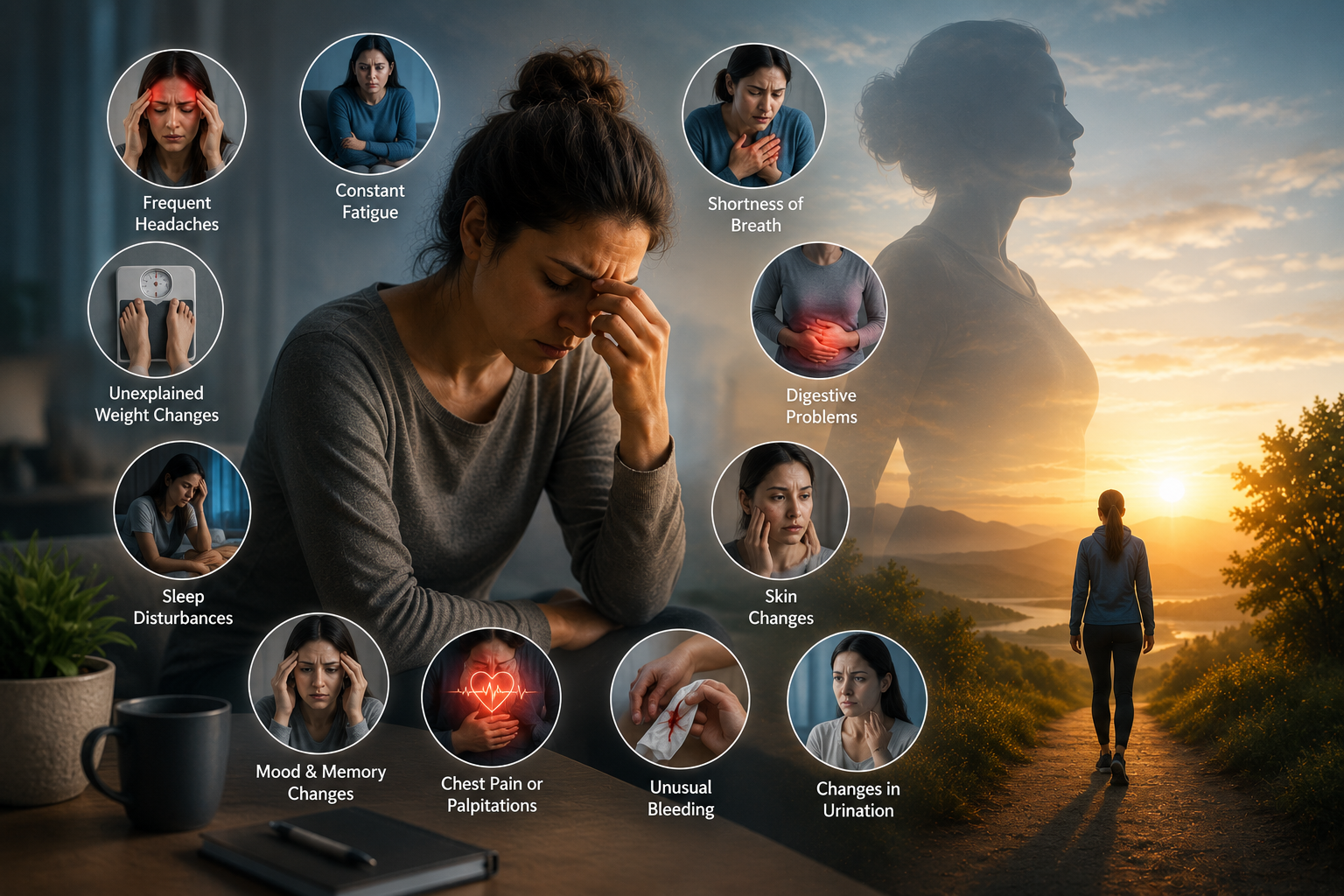
Signs That Your Mental Exhaustion Needs Attention
Consider speaking with a healthcare professional if you regularly experience:
- Fatigue that lasts for several weeks
- Difficulty functioning at work or home
- Persistent brain fog
- Significant memory or concentration problems
- Unexplained weight changes
- Persistent mood changes
- Shortness of breath or unusual weakness
- Frequent headaches or dizziness
- Sleep problems despite having enough time to rest
- Fatigue that continues despite healthy lifestyle changes
The NHS recommends seeking medical advice when unexplained tiredness continues for several weeks or begins affecting daily life.
How Can You Support Better Energy and Focus?
While the right approach depends on the cause, several healthy habits can support overall energy.
Prioritize Quality Sleep
Maintain consistent sleep and wake times and create a relaxing bedtime routine.
Eat Regular, Balanced Meals
Include a variety of vegetables, fruits, whole grains, protein sources, nuts, seeds, and other nutrient-rich foods.
Stay Hydrated
Keep water available and drink regularly throughout the day according to your individual needs.
Move Your Body
Start with manageable activities such as a daily walk or gentle stretching and gradually increase activity as appropriate.
Take Genuine Mental Breaks
A break should not always mean switching from work to social media. Try walking, sitting quietly, spending time outdoors, reading, or doing something relaxing.
Reduce Multitasking
Focus on one important task at a time rather than constantly switching between emails, messages, calls, and other activities.
Manage Stress
Breathing exercises, meditation, hobbies, social connections, physical activity, and professional counselling may help manage ongoing stress.
Keep a Fatigue Diary
Write down when you feel most tired, how well you slept, what you ate, your activity level, and any other symptoms.
A fatigue diary may help you identify patterns and can provide useful information when discussing your symptoms with a healthcare professional.
Is It Normal to Feel Tired After Rest?
Occasionally, yes.
You may still feel tired after a particularly stressful week, illness, poor night's sleep, or period of intense activity.
The concern is when rest consistently fails to improve your energy.
Persistent fatigue that does not improve with adequate sleep and recovery can sometimes indicate an underlying physical or mental health issue.
What About Chronic Fatigue Syndrome?
Some people experience a much more severe and persistent form of fatigue associated with myalgic encephalomyelitis/chronic fatigue syndrome (ME/CFS).
ME/CFS is different from ordinary tiredness. Symptoms can include severe fatigue that is not relieved by rest, sleep problems, difficulty with thinking and concentration, and worsening symptoms after physical or mental activity.
It should not be self-diagnosed. Persistent or disabling fatigue requires professional evaluation.
Final Thoughts
Feeling mentally exhausted even after rest can be frustrating, particularly when you cannot identify an obvious reason.
Sometimes the answer may be lifestyle-related, such as poor-quality sleep, stress, inadequate nutrition, too little physical activity, or excessive mental stimulation. However, persistent fatigue can also be associated with conditions such as anemia, thyroid disorders, sleep disorders, depression, or other health problems.
Instead of simply pushing through the exhaustion, pay attention to the pattern. Good sleep, balanced nutrition, regular movement, stress management, and genuine mental breaks can support better energy, but persistent or unexplained fatigue deserves professional evaluation.