Why Does Skin Become Dull? Everyday Factors That Can Affect Skin Radiance
Healthy skin naturally reflects light, giving the face a fresh and radiant appearance. But sometimes the skin can start looking tired, rough, uneven, or less vibrant. This is commonly described as dull skin.
Dull-looking skin can happen for many everyday reasons, including dryness, buildup of dead skin cells, sun exposure, lack of sleep, environmental factors, and an unsuitable skincare routine. Fortunately, simple and consistent habits can often help improve the overall appearance of the skin.
What Does Dull Skin Look Like?
Dull skin may appear:
Less bright or radiant than usual
Dry or rough to the touch
Uneven in texture
Tired-looking
Flaky in some areas
More noticeable around the cheeks or forehead
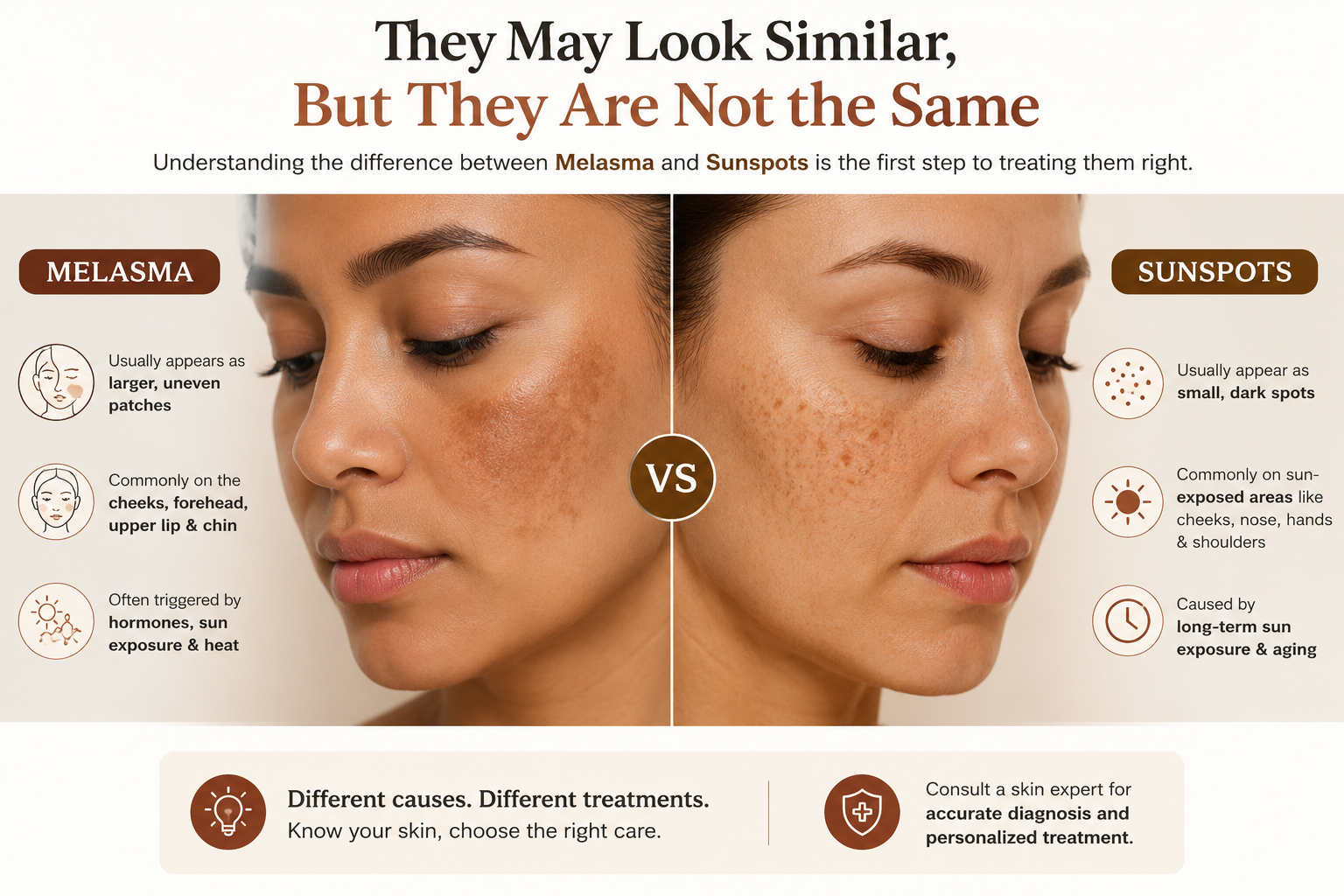
Uneven in tone or affected by dark spots
Dullness is not a specific medical diagnosis. It is a general description of how the skin looks and feels.
Common Reasons Why Skin Becomes Dull
1. Buildup of Dead Skin Cells
Your skin naturally sheds old cells. When dead cells accumulate on the surface, they can make the skin appear rough and less radiant.
Gentle exfoliation can help remove surface dead skin cells, but it should be appropriate for your skin type. Over-exfoliating can irritate the skin and damage its protective barrier.
2. Dry or Dehydrated Skin
When the skin does not retain enough moisture, it may look rough, flaky, or tired.
Moisturizers help trap water in the skin and can improve the appearance of dryness. Dermatologists generally recommend choosing a moisturizer according to your skin type and applying it while the skin is still slightly damp.
3. Too Much Sun Exposure
Regular exposure to ultraviolet radiation can contribute to premature skin aging, uneven pigmentation, dark spots, and changes in skin texture.
Daily sun protection is therefore an important part of maintaining healthy-looking skin. The American Academy of Dermatology recommends a broad-spectrum sunscreen with SPF 30 or higher.
4. Over-Exfoliating
Exfoliation can be useful for some people, but more is not always better.
Frequent scrubbing or using multiple exfoliating products can cause redness, dryness, irritation, and sensitivity. A damaged skin barrier may actually make the skin look less healthy rather than more radiant.
5. Harsh Skincare Products
Strong cleansers, excessive scrubbing, heavily fragranced products, or using too many active ingredients can irritate the skin.
A simple routine using a gentle cleanser, moisturizer, and sunscreen may be more suitable than constantly adding new products.
6. Not Getting Enough Sleep
Sleep gives the body time to recover and renew itself. Poor sleep habits may contribute to a tired-looking complexion.
While skincare cannot replace adequate sleep, maintaining a regular sleep schedule can be part of a healthy lifestyle that supports overall skin health.
7. Environmental Pollution and Dust
Air pollution, dust, smoke, and other environmental factors can affect the skin's appearance. Regular cleansing can help remove accumulated dirt and environmental particles from the skin.
However, washing too frequently or using harsh cleansers can have the opposite effect and leave the skin dry or irritated.
8. Natural Aging
As we age, the skin gradually changes. It can become drier, and natural skin renewal may slow down.
Fine lines, uneven pigmentation, dryness, and changes in texture can therefore make the complexion appear less radiant over time. Consistent moisturizing and sun protection can help maintain healthier-looking skin.
9. Smoking
Smoking can contribute to premature skin aging and is associated with a dull and dry complexion, along with other visible changes to the skin.
Avoiding tobacco is beneficial not only for skin health but also for overall health.
How Can You Improve Dull-Looking Skin?
A complicated skincare routine is not always necessary. Start with a few basic habits.
Cleanse Gently
Use a gentle cleanser appropriate for your skin type. Avoid aggressive scrubbing, particularly if your skin is dry or sensitive.
Moisturize Regularly
Apply a suitable moisturizer after cleansing. Moisturizing helps reduce dryness and supports the skin's natural protective barrier.
Protect Your Skin From the Sun
Use a broad-spectrum sunscreen with SPF 30 or higher when spending time outdoors. Sun protection is important throughout the year, not only during summer.
Exfoliate Carefully
If exfoliation suits your skin, choose a gentle method and avoid doing it too frequently. Stop or reduce exfoliation if you experience burning, redness, excessive dryness, or irritation.
Keep Your Skincare Routine Simple
Using many products does not necessarily mean healthier skin. A basic routine of cleansing, moisturizing, and sun protection can provide a strong foundation for everyday skincare.
Maintain Healthy Lifestyle Habits
Adequate sleep, a balanced diet, regular physical activity, hydration, and avoiding smoking can all contribute to general health and may support healthier-looking skin.
Can Dull Skin Be a Sign of a Skin Problem?
Sometimes what appears to be simple dullness may actually be related to dryness, dermatitis, acne, pigmentation, eczema, or another skin condition.
If dullness is accompanied by persistent itching, redness, scaling, painful areas, significant pigmentation changes, a rash, or other unusual symptoms, it is better to consult a dermatologist or qualified healthcare professional.
New or persistent changes in skin color should also be evaluated when appropriate, because skin discoloration can have many different causes.
What About Homeopathic Care for Dull Skin?
Some people choose homeopathic care as part of their approach to general skin wellness. A homeopathic practitioner may consider individual symptoms, lifestyle factors, and overall health when discussing a personalized approach.
However, dull-looking skin can have many different causes, and homeopathic treatment should not replace appropriate medical evaluation when there is a persistent skin condition, significant pigmentation, rash, pain, or other concerning symptom.
Final Thoughts
Dull-looking skin is common and can be influenced by many everyday factors. Dryness, dead skin cell buildup, sun exposure, over-exfoliation, harsh skincare products, environmental factors, aging, and lifestyle habits can all affect how radiant the skin appears.
Instead of constantly searching for new skincare products, focus on the basics: gentle cleansing, regular moisturizing, sensible exfoliation, sun protection, adequate sleep, and healthy lifestyle habits.
If changes in your skin persist or are accompanied by other symptoms, professional evaluation can help identify the underlying cause and guide appropriate care.
Disclaimer: This article is intended for general educational purposes and does not replace consultation with a dermatologist or qualified healthcare professional. Individual skin concerns may have different causes and require personalized assessment.