Why Does Your Appetite Change During Stress?
Have you ever noticed that you completely lose your appetite when you are worried, while at other times stress makes you want to snack constantly?
Both reactions can happen.
Stress affects the body in many ways, and changes in appetite are one of them. Some people may skip meals because food feels unappealing, while others may experience stronger cravings and eat more than usual. The response can also change depending on whether the stress is short-term or continues for weeks or months. ?
How Does Stress Affect Your Appetite?
When you experience stress, your body activates its fight-or-flight response. Hormones such as adrenaline and cortisol are involved in this process.
During an immediate stressful situation, adrenaline and other stress responses can temporarily suppress appetite. Your body becomes focused on responding to the perceived threat rather than eating.
However, when stress continues for a longer period, the body's response can be different. Cortisol may remain elevated and can increase appetite and the desire for highly palatable foods.
This is one reason why someone may experience little appetite during a stressful event but increased hunger or cravings later.
1. Short-Term Stress Can Make You Lose Your Appetite
Have you ever had an important exam, interview, presentation, or difficult conversation and suddenly felt like you couldn't eat?
This is a common stress response.
During acute stress, the body releases adrenaline and activates systems that temporarily reduce appetite. Digestion and eating become less important while the body prepares to respond to the stressful situation.
You may notice:
- Skipping breakfast or lunch
- Feeling full after eating only a small amount
- Feeling slightly nauseous
- Not thinking about food
- Having less interest in your usual meals
For many people, appetite returns once the stressful situation passes.
2. Long-Term Stress May Increase Hunger
Chronic stress can produce a different pattern.
When stress continues, cortisol may influence appetite and food-related motivation. Some people begin eating more frequently or experience stronger cravings, particularly for foods high in sugar, fat, or calories.
This doesn't mean that everyone who experiences chronic stress will overeat. Stress-related eating varies considerably from person to person.
Some people eat more, some eat less, and some experience little noticeable change.
3. Why Do You Crave Comfort Foods?
Stress doesn't only affect how much you eat. It can also influence what you want to eat.
When you're stressed, foods such as sweets, chips, desserts, fast food, or other highly palatable foods may seem especially appealing.
There can be both biological and psychological reasons for this. Certain foods may provide temporary pleasure, comfort, distraction, or emotional relief.
For example, after a difficult day, you may automatically reach for your favorite snack even when you aren't physically hungry.
This is sometimes called emotional eating.
4. Stress Can Change Your Eating Routine
Stress can affect appetite indirectly by changing your daily routine.
When you're busy or overwhelmed, you may:
- Forget to eat
- Work through meal times
- Eat meals much later than usual
- Depend on packaged snacks
- Eat quickly
- Skip breakfast
- Eat while working
- Order convenience foods more frequently
Chronic stress can also interfere with sleep, which may further affect food choices and eating patterns.
Therefore, changes in appetite aren't always caused by hormones alone. Your daily habits and environment also matter.
5. Stress and Your Digestive System
Stress can also affect the digestive system.
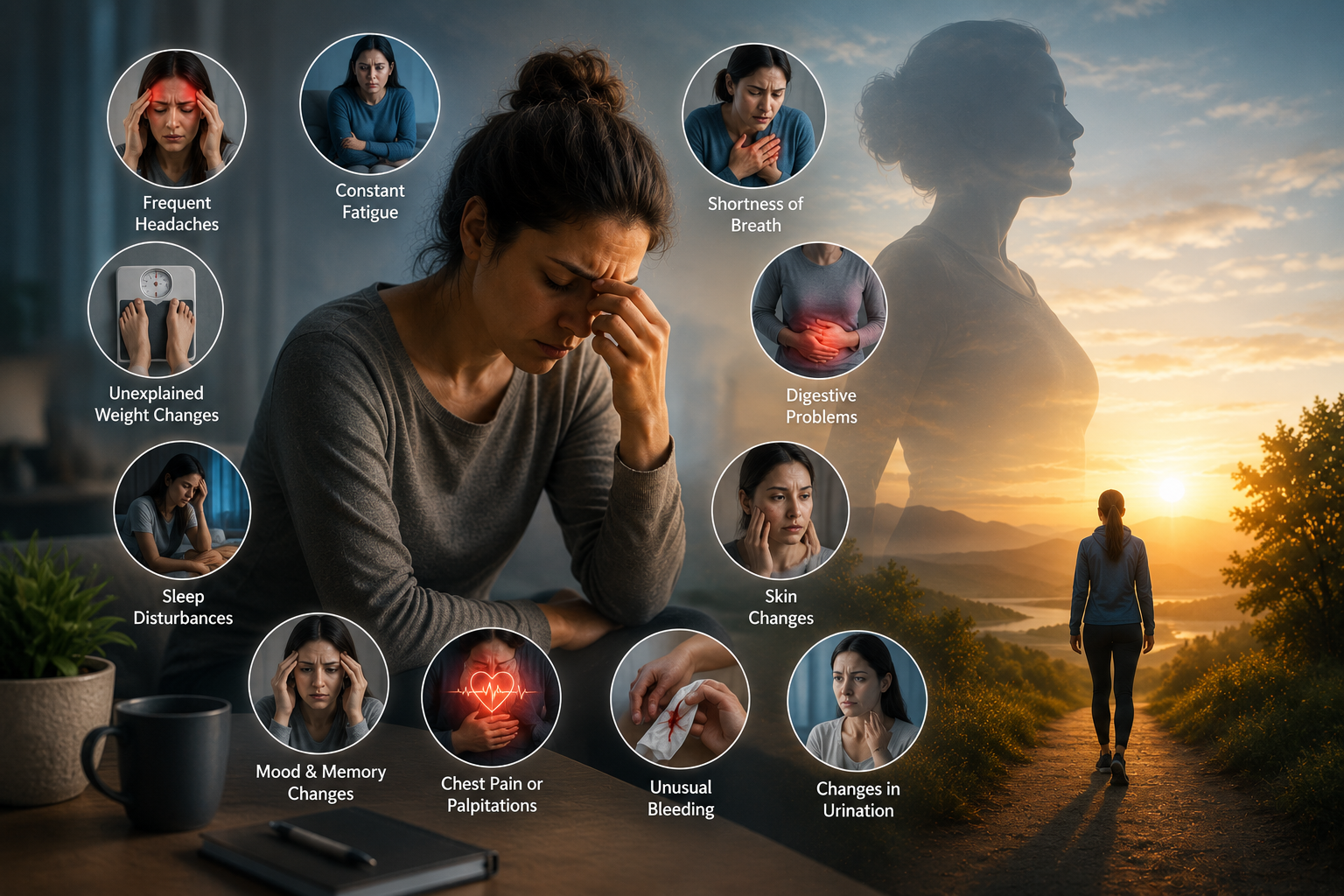
When you're stressed, you may experience symptoms such as:
- Stomach discomfort
- Nausea
- Bloating
- Changes in bowel habits
- Feeling unusually full
- Indigestion
These symptoms can make eating less appealing.
This is one reason why someone may say, "I'm hungry, but I don't feel like eating."
6. Why Do Some People Eat More While Others Eat Less?
There isn't one universal stress response.
People respond to stress differently depending on factors such as their individual biology, the type and duration of stress, sleep, previous eating habits, emotional state, and learned coping behaviors.
For some people, food becomes a source of comfort. For others, stress makes eating difficult. Research also suggests that the relationship between stress and eating behavior is complex and varies between individuals.
So, both increased appetite and decreased appetite can occur during stress.
7. Poor Sleep Can Make Things More Difficult
Stress and sleep often influence each other.
You may worry at night, have difficulty falling asleep, or wake up frequently. Poor-quality sleep can then contribute to daytime fatigue and changes in eating behavior.
When you're exhausted, you may be more likely to rely on caffeine, convenient snacks, or highly processed foods for quick energy.
This can create a cycle:
Stress ? Poor sleep ? Fatigue ? Irregular eating ? More stress
Breaking this cycle can be helpful for both appetite and overall well-being.
How Can You Manage Stress-Related Appetite Changes?
You don't need to follow a restrictive diet simply because your appetite has changed. Instead, focus on creating regular and supportive eating habits.
Maintain regular meal times
Even if you aren't very hungry, try to maintain a consistent meal schedule.
Small, balanced meals may be easier to manage when your appetite is low.
Choose nutritious foods
Include foods that provide protein, fiber, healthy fats, vitamins, and minerals.
Examples include:
- Eggs
- Yogurt
- Fruits
- Vegetables
- Whole grains
- Nuts and seeds
- Beans and lentils
- Fish or other protein sources
Don't skip meals because of stress
Missing meals can sometimes lead to intense hunger later, which may encourage overeating.
If a full meal feels difficult, try a smaller meal or nutritious snack.
Notice emotional eating triggers
Before reaching for food, pause and ask yourself:
"Am I physically hungry, or am I stressed, bored, tired, or upset?"
You don't need to judge yourself for the answer. Simply recognizing the trigger can help you understand your eating pattern.
Find other ways to manage stress
Food doesn't have to be your only coping strategy.
You could try:
- Walking
- Deep breathing
- Stretching
- Meditation
- Journaling
- Listening to music
- Talking with someone you trust
- Taking short breaks from work
Stress-management strategies can be useful alongside healthy eating habits.
When Should You Seek Professional Help?
Temporary changes in appetite during stressful periods are common. However, persistent changes shouldn't always be attributed to stress.
Consider speaking with a healthcare professional if you experience:
- Significant unintentional weight loss
- Persistent loss of appetite
- Frequent episodes of overeating
- Feeling unable to control your eating
- Persistent nausea or digestive symptoms
- Extreme fatigue or weakness
- Symptoms that continue even after the stressful period has passed
If changes in eating are accompanied by significant emotional distress or are interfering with daily life, professional support can also be helpful.
Final Thoughts
Stress can affect appetite in more than one way. Short-term stress may temporarily reduce your desire to eat, while ongoing stress can increase appetite and cravings in some people.
The important thing is to understand that these changes are not simply about willpower. Stress affects hormones, emotions, sleep, routines, and eating behaviors, all of which can influence your relationship with food.
If you notice your appetite changing during stressful periods, focus on regular meals, nutritious foods, adequate sleep, and healthy ways of managing stress. If the changes are severe or persistent, talk with a qualified healthcare professional to identify the underlying cause.
Disclaimer: This article is intended for general educational purposes only. It should not be considered a substitute for professional medical advice, diagnosis, or treatment. If you have persistent appetite changes, unexplained weight changes, or other concerning symptoms, consult a qualified healthcare professional.