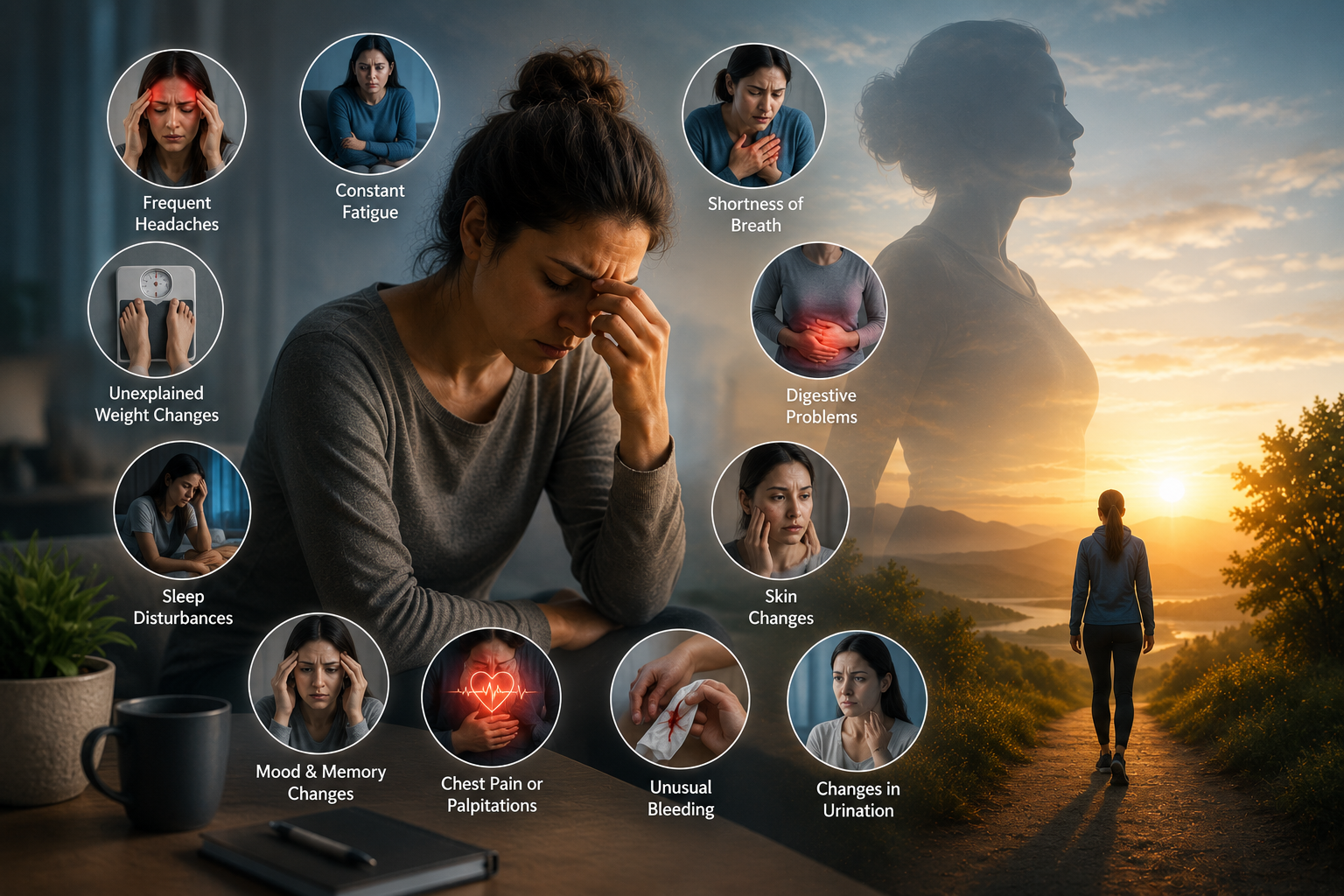
Why Does Your Body Ache More During Stressful Periods?
Have you ever noticed that your neck feels tight, your shoulders hurt, your back aches, or your whole body feels sore when you are going through a stressful period? It may seem surprising, but stress can affect the body just as strongly as it affects the mind.
Stress can cause physical symptoms including muscle tension, muscle pain, headaches, exhaustion and general aches and pains.
How Does Stress Cause Body Aches?
When you experience stress, your body activates its natural “fight-or-flight” response. This prepares you to respond to a perceived threat. Your muscles may tighten, your heart rate may increase and your breathing may change.
This response is useful for short periods. However, when stress continues for days or weeks, your body may remain in a state of tension. Continuous muscle tension can contribute to soreness and discomfort, particularly around the neck, shoulders, upper back and lower back.
Common Ways Stress Can Make You Feel Achy
1. Muscle Tension
One of the most common physical effects of stress is muscle tension. You may unconsciously tighten your shoulders, clench your jaw or tense your back muscles when you are worried or under pressure.
If this continues for a long time, the muscles may become tired and uncomfortable.
2. Poor Sleep
Stress can make it difficult to fall asleep, cause frequent waking, or leave you feeling unrested. Poor sleep can contribute to tiredness and make everyday aches feel more noticeable.
This can create a cycle:
Stress ? Poor sleep ? Fatigue ? Increased discomfort ? More stress
3. Headaches and Neck Pain
Stress-related muscle tension can contribute to headaches and discomfort around the neck and shoulders. People who spend long periods sitting at a desk may notice these symptoms even more when they are under pressure.
4. Changes in Physical Activity
When people are stressed, they may exercise less, sit for longer periods or change their normal routines. Reduced movement can contribute to stiffness and discomfort.
On the other hand, some people may exercise excessively as a way of coping with stress, which can also lead to muscle soreness.
5. Stress Can Increase Pain Sensitivity
Stress does not necessarily mean that an underlying pain condition has been caused by stress. However, stress can make existing pain feel worse in some people. It can also contribute to a cycle in which pain increases stress, and stress then increases the experience of pain.
Why Does It Sometimes Feel Like Your Whole Body Hurts?
When stress is prolonged, several things can happen at the same time. You may sleep poorly, feel mentally exhausted, move less, experience muscle tension and become more focused on physical discomfort.
Together, these factors can make you feel as though your entire body is tired, heavy or achy.
However, it is important not to assume that every episode of body pain is caused by stress. Muscle aches can have many possible causes, including infections, injuries, medication effects and other medical conditions.
Simple Ways to Relax Your Body During Stress
Take Short Movement Breaks
If you spend most of your day sitting, get up regularly and gently move your neck, shoulders, arms and legs.
Try Relaxation Exercises
Slow, relaxed breathing and other relaxation techniques can help reduce the body's stress response and muscle tension.
Prioritise Good Sleep
Try to maintain a consistent sleep routine and give yourself enough time to rest.
Stay Physically Active
Walking, stretching, yoga or other suitable forms of physical activity can help you stay mobile and support overall wellbeing.
Pay Attention to Your Posture
Stress may cause you to unconsciously raise your shoulders, hunch forward or clench your jaw. Becoming aware of these habits can help you consciously relax your body.
Give Yourself Mental Breaks
Taking a short break from work, spending time outdoors, practising mindfulness or talking with someone you trust can help reduce mental pressure.
When Should You See a Doctor?
Although stress can contribute to muscle tension and body aches, persistent or severe pain should not automatically be blamed on stress.
Consider seeking medical advice if your pain:
- Is severe or getting worse
- Continues for a long time
- Occurs after an injury
- Is accompanied by significant weakness
- Is associated with fever or other concerning symptoms
- Interferes with your normal activities
Chest pain, particularly if it is new, severe or accompanied by symptoms such as difficulty breathing, sweating, dizziness or nausea, requires prompt medical attention rather than assuming it is stress-related.
Final Thoughts
Stress affects more than your emotions. It can show up physically through muscle tension, headaches, tiredness and body aches. When stressful periods continue, poor sleep, reduced activity and increased muscle tension may make discomfort more noticeable.
Taking care of your sleep, movement, relaxation and overall wellbeing can help your body cope better with stressful periods. If aches persist or are severe, however, it is important to have them properly evaluated rather than assuming stress is the only cause.