Why Emotional Well-Being Matters in Women's Physical Health
Women's health is often discussed in terms of physical symptoms, hormones, nutrition, reproductive health, and fitness. However, emotional well-being is equally important. The mind and body continuously influence each other, which means ongoing stress, anxiety, emotional exhaustion, or low mood can affect physical health as well.
The World Health Organization recognizes that mental and physical health are interconnected and should not be treated as completely separate areas of health.
For women, this connection can become particularly important during different stages of life, including adolescence, pregnancy, the postpartum period, perimenopause, and menopause.
What Is Emotional Well-Being?
Emotional well-being involves being able to understand and manage emotions, cope with everyday challenges, maintain relationships, and seek support when needed.
It does not mean feeling happy all the time. Everyone experiences sadness, frustration, worry, stress, and disappointment. Good emotional well-being means having healthy ways to respond to these experiences and knowing when additional support may be necessary.
Maintaining emotional well-being can contribute to healthier habits and better overall quality of life.
How Are Emotional and Physical Health Connected?
The brain and body communicate continuously through the nervous, hormonal, and immune systems.
When a person experiences ongoing stress, the body responds by releasing stress-related hormones and activating physiological responses. Short-term stress can be useful, but prolonged stress can contribute to physical symptoms and health problems.
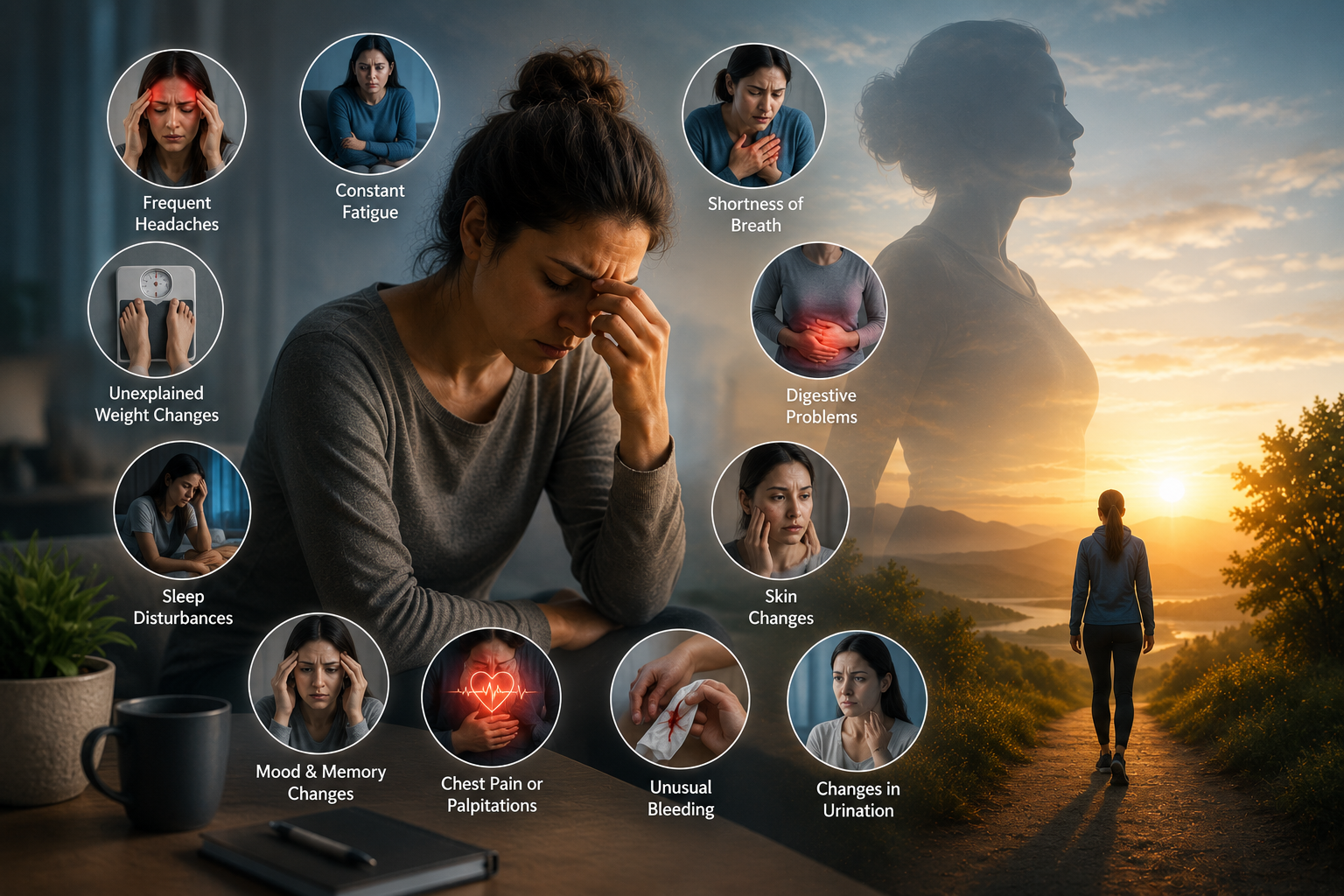
Women experiencing chronic stress may notice symptoms such as:
- Headaches
- Muscle tension and body aches
- Digestive problems
- Difficulty sleeping
- Low energy
- Difficulty concentrating
- Changes in appetite
- Menstrual irregularities
- Increased anxiety or irritability
These symptoms demonstrate why emotional well-being should be considered an important part of physical health.
The Impact of Chronic Stress on Women's Health
Stress is a normal part of life, but prolonged stress can place continuous demands on the body.
According to the Office on Women's Health, long-term stress in women can be associated with headaches, digestive problems, sleep difficulties, depression and anxiety symptoms, high blood pressure, weight changes, menstrual problems, and decreased sexual desire.
This does not mean that stress is the only cause of these conditions. Many physical symptoms have multiple possible causes and should be evaluated appropriately.
Emotional Well-Being and Sleep
Sleep and emotional health have a particularly close relationship.
Poor emotional health can make it difficult to fall asleep or stay asleep. At the same time, inadequate sleep can negatively affect mood, concentration, and emotional resilience.
Women may experience sleep changes related to the menstrual cycle, pregnancy, and menopause. Sleep problems can also make existing mental health concerns more difficult to manage.
Creating a consistent sleep routine is therefore an important part of supporting both emotional and physical wellness.
Emotional Health and Hormonal Changes
Hormonal changes occur naturally throughout a woman's life.
Changes during puberty, the menstrual cycle, pregnancy, the postpartum period, perimenopause, and menopause can influence mood and emotional health.
For example, some women may experience mood changes around their menstrual period, while others may notice emotional changes during perimenopause or menopause.
These experiences can vary significantly between individuals. Persistent or severe symptoms should not simply be attributed to hormones and should be discussed with a healthcare professional.
Emotional Well-Being and Menstrual Health
Stress can also affect menstrual health.
Women experiencing chronic stress may have more severe PMS symptoms or irregular periods.
However, irregular menstruation can have many causes, including hormonal conditions, changes in weight, certain medications, pregnancy, thyroid disorders, and other health conditions.
Therefore, emotional well-being should be considered as one part of the overall picture rather than assuming that stress is responsible for every menstrual change.
The Connection Between Emotional Health and Digestion
The brain and digestive system are closely connected.
Stress can affect digestive function and may contribute to symptoms such as stomach discomfort, bloating, or changes in bowel habits. Long-term stress can also make symptoms of conditions such as irritable bowel syndrome more difficult to manage.
This is one reason why managing stress and maintaining healthy lifestyle habits can be useful for overall digestive wellness.
Emotional Health and Heart Health
Long-term stress can affect cardiovascular health.
During stressful situations, heart rate and blood pressure can increase. Prolonged high stress levels can contribute to health risks, particularly when combined with other factors such as physical inactivity, poor nutrition, smoking, or inadequate sleep.
Taking care of emotional health can therefore be part of a broader approach to heart and cardiovascular wellness.
How Emotional Well-Being Can Influence Daily Habits
Emotional health can also affect everyday decisions.
When someone is overwhelmed or emotionally exhausted, maintaining healthy habits may become more difficult. They may:
- Sleep irregularly
- Skip physical activity
- Eat irregularly
- Avoid social interaction
- Have difficulty concentrating
- Spend less time on self-care
Over time, these changes can affect physical health.
Supporting emotional well-being can make it easier to maintain healthy routines.
Practical Ways to Support Emotional Well-Being
1. Make Time for Yourself
Busy schedules can leave little time for rest. Setting aside time for activities you enjoy can provide an opportunity to relax and recharge.
2. Stay Physically Active
Regular physical activity can support both physical and mental well-being. Walking, yoga, swimming, cycling, or other enjoyable activities can be incorporated into daily life according to individual ability.
3. Maintain Healthy Sleep Habits
Try to maintain consistent sleeping and waking times. A comfortable, quiet sleeping environment can also support better rest.
4. Stay Connected
Relationships can provide emotional support during challenging periods. Talking with trusted friends, family members, or support groups can help reduce feelings of isolation.
5. Practice Relaxation Techniques
Simple techniques such as deep breathing, meditation, stretching, or journaling may help manage everyday stress.
6. Eat a Balanced Diet
Nutritious food supports physical health and provides the energy needed for everyday activities. Maintaining regular, balanced meals can also make it easier to maintain healthy routines.
7. Set Healthy Boundaries
Women often balance multiple responsibilities involving work, family, relationships, and caregiving. Learning to say no when necessary and setting reasonable boundaries can help reduce unnecessary emotional pressure.
The Importance of Self-Care
Self-care is sometimes misunderstood as an occasional luxury. In reality, it can involve simple daily actions that support physical and emotional health.
Self-care may include:
- Getting enough sleep
- Eating nutritious meals
- Taking regular breaks
- Exercising
- Spending time with loved ones
- Practicing relaxation
- Pursuing hobbies
- Seeking professional support when needed
Taking care of yourself is not selfish. Maintaining your own well-being can help you manage everyday responsibilities more effectively.
When Should You Seek Professional Help?
Everyone experiences difficult emotions from time to time. However, persistent changes should not be ignored.
Consider speaking with a healthcare professional if you experience:
- Persistent sadness or hopelessness
- Ongoing anxiety or excessive worry
- Major changes in sleep
- Significant changes in appetite or energy
- Difficulty managing everyday responsibilities
- Loss of interest in activities you previously enjoyed
- Persistent physical symptoms without an obvious explanation
- Social withdrawal or feelings of isolation
The Office on Women's Health recommends talking with a healthcare provider when symptoms of mental health conditions appear. Treatment options can include professional counseling, medication, or a combination depending on the individual's needs.
A Whole-Person Approach to Women's Health
Women's health cannot always be divided into separate categories such as physical health, mental health, hormonal health, and emotional health.
These areas interact with each other.
Current women's health guidance increasingly emphasizes whole-person care that considers physical, mental, emotional, nutritional, and hormonal factors together.
This approach can help women recognize that taking care of their emotional health is also part of taking care of their bodies.
Conclusion
Emotional well-being is an important part of women's overall physical health. Ongoing stress and emotional difficulties can affect sleep, digestion, energy, menstrual health, cardiovascular health, and everyday habits.
Supporting emotional health does not require eliminating every source of stress. Instead, it involves developing healthy coping strategies, maintaining supportive relationships, getting adequate sleep, staying physically active, eating well, and seeking professional help when necessary.
Caring for your emotional health is not separate from caring for your body. It is an essential part of whole-person women's wellness.