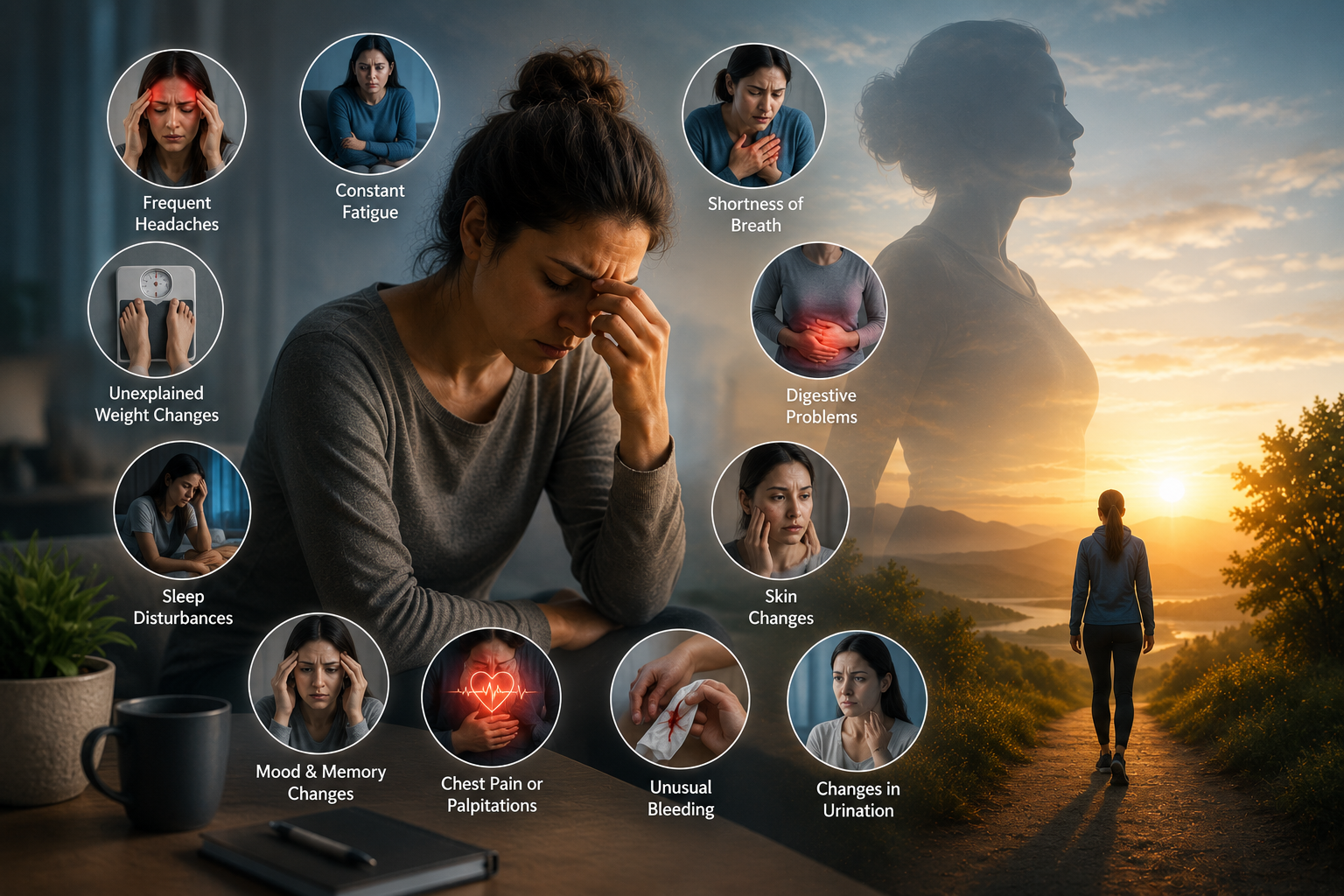
Why Hair Falls More During Certain Seasons: Understanding Seasonal Hair Loss
Introduction
Have you ever noticed more hair on your pillow, comb, shower floor, or clothes during certain times of the year? Seasonal changes can make hair shedding more noticeable, but increased shedding does not always mean that you are developing permanent hair loss.
It is normal to lose some hair every day. The American Academy of Dermatology notes that losing around 50 to 100 hairs a day can be normal. However, a noticeable increase in shedding may occur when more hairs enter the resting and shedding phase of the hair-growth cycle.
For women, seasonal shedding can also overlap with other factors such as stress, nutritional deficiencies, hormonal changes, illness, or changes in hair-care routines. Understanding the difference between temporary shedding and actual hair loss is therefore important.
What Is Seasonal Hair Shedding?
Hair naturally goes through different phases:
- Anagen: The active growth phase
- Catagen: A short transition phase
- Telogen: The resting phase
- Exogen: The shedding phase
Not every hair is in the same phase at the same time. This allows us to maintain relatively consistent hair coverage.
Sometimes, environmental or physiological changes may influence the hair cycle, making shedding more noticeable. However, the idea of "seasonal hair loss" should not be used to explain every episode of increased shedding.
A condition called telogen effluvium can cause excessive temporary shedding when more hairs than usual enter the resting phase. It can follow stress, illness, high fever, significant weight loss, childbirth, or other physical changes.
Is It Normal to Lose Hair Every Day?
Yes.
Hair shedding is a normal part of the hair-growth cycle. According to the American Academy of Dermatology, approximately 50 to 100 hairs may be shed each day without indicating a hair-loss disorder.
The important factor is not simply the number of hairs you see. Instead, pay attention to whether there is a clear change from your usual pattern.
For example, you may notice:
- More hair collecting in the shower
- More strands on your pillow
- Increased hair in your comb or brush
- A thinner-looking ponytail
- More visible scalp
- A widening hair part
A gradual widening part or reduced fullness can also be an early sign of female pattern hair loss, which is different from temporary shedding.
Why Might Hair Shedding Seem Worse During Seasonal Changes?
Several factors can make shedding more noticeable at particular times of the year.
1. Changes in Temperature and Environment
Changes in temperature, humidity, and environmental conditions can affect the scalp and hair shaft.
Dry weather may make hair more brittle, while humid conditions can increase frizz and make existing hair breakage more noticeable.
However, seasonal changes should not automatically be considered the primary cause of significant hair loss. Hair shedding has many possible causes, and the underlying reason needs to be considered when shedding is persistent.
2. Changes in Hair-Care Habits
People often change their hair routine with the seasons.
For example, increased use of:
- Hair dryers
- Straighteners
- Curling irons
- Chemical treatments
- Hair colouring
- Tight hairstyles
can contribute to hair damage and breakage.
The American Academy of Dermatology notes that excessive chemical processing and hairstyles that continually pull on the scalp can contribute to hair loss.
3. Stress and Lifestyle Changes
Stress can have a significant effect on the hair cycle.
Major emotional stress or physical stress can trigger telogen effluvium, a temporary form of excessive shedding. Interestingly, the shedding may become noticeable several months after the triggering event rather than immediately.
Busy periods, disrupted sleep, changes in diet, travel, examinations, work pressure, or illness may therefore be relevant when investigating increased shedding.
4. Changes in Diet
Seasonal changes may also influence eating patterns.
If your diet becomes restrictive or lacks important nutrients, hair growth may be affected. Iron deficiency, for example, is one recognized potential contributor to hair loss.
Instead of immediately taking hair supplements, it is better to identify whether a nutritional deficiency actually exists.
The American Academy of Dermatology also cautions that taking excessive amounts of certain supplements can actually worsen hair loss.
Seasonal Shedding vs. Hair Loss
It is important to understand the difference between shedding and hair loss.
Temporary Shedding
Temporary shedding may:
- Appear relatively suddenly
- Involve increased hair fall throughout the scalp
- Follow stress, illness, childbirth, weight loss, or another trigger
- Eventually improve when the underlying trigger is addressed
Telogen effluvium is one example of temporary excessive shedding. Many people regain their usual hair fullness after the shedding phase resolves.
Female Pattern Hair Loss
Female pattern hair loss is different.
It is generally gradual and may appear as:
- A widening central part
- Reduced ponytail thickness
- Overall thinning
- Less density around the top of the scalp
Female pattern hair loss is commonly influenced by genetics and may become more noticeable around midlife, although it can occur earlier as well.
Because different types of hair loss require different approaches, identifying the cause is important.
Hair Loss and Hormonal Changes in Women
Women experience several major hormonal transitions throughout life.
Changes associated with:
- Menstruation
- Pregnancy
- The postpartum period
- Perimenopause
- Menopause
can coincide with changes in hair growth and shedding.
For example, noticeable hair shedding a few months after childbirth is common and is associated with the hormonal changes following pregnancy. It is usually temporary.
Hormonal conditions can also contribute to hair thinning. For example, the American Academy of Dermatology lists hormonal imbalance, including that associated with PCOS, among possible causes of hair loss in women.
Other Causes That Should Not Be Ignored
If hair shedding is persistent, it is important to look beyond seasonal changes.
Possible contributors include:
- Iron deficiency
- Thyroid disorders
- Significant weight loss
- Nutritional deficiencies
- Major stress
- Recent illness or high fever
- Certain medications
- Hormonal changes
- Genetic hair loss
- Tight hairstyles
- Chemical or heat damage
- Certain scalp conditions
For example, an underactive thyroid can cause symptoms including dry hair and hair loss, along with fatigue, feeling unusually cold, weight gain, and other symptoms.
How to Support Healthy Hair During Seasonal Changes
1. Eat a Balanced Diet
Hair requires adequate nutrition for normal growth.
Include a variety of:
- Protein-rich foods
- Vegetables
- Fruits
- Whole grains
- Nuts and seeds
- Legumes
- Iron-containing foods
If you suspect a nutritional deficiency, speak with a healthcare professional rather than taking high-dose supplements without guidance.
2. Be Gentle With Your Hair
Avoid unnecessary pulling, excessive heat, and aggressive brushing.
Choose gentle hair-care practices, particularly if you are already experiencing increased shedding.
3. Avoid Very Tight Hairstyles
Regularly wearing hair tightly pulled into buns, ponytails, braids, or other styles can place prolonged tension on the hair follicles.
This can contribute to traction alopecia and, if the tension continues, may result in permanent hair loss.
4. Manage Stress
Stress management can benefit both overall well-being and hair health.
Consider incorporating:
- Walking
- Yoga
- Meditation
- Deep breathing
- Adequate sleep
- Time outdoors
- Relaxing hobbies
into your routine.
5. Take Care of Your Scalp
Keep your scalp clean and choose hair-care products that suit your scalp type.
If you develop persistent itching, scaling, redness, pain, or other scalp changes along with hair loss, professional evaluation may be helpful.
6. Avoid Unnecessary Supplements
Hair-growth supplements are widely marketed, but more vitamins do not necessarily mean healthier hair.
Some nutrients can be harmful in excessive amounts, and supplements may not address the actual cause of hair loss.
When Should You See a Doctor?
Seasonal shedding may be temporary, but persistent or unusual hair loss deserves attention.
Consider consulting a dermatologist or healthcare professional if you notice:
- Sudden or severe hair loss
- Bald patches
- A rapidly widening part
- Significant thinning
- Hair loss accompanied by scalp pain or inflammation
- Persistent excessive shedding
- Hair loss accompanied by fatigue or other health symptoms
- Hair loss after significant weight loss or illness
- Hair loss that is affecting your emotional well-being
A dermatologist can help determine whether the problem is temporary shedding, female pattern hair loss, a scalp condition, or another underlying issue. Early evaluation can improve the chances of addressing the cause appropriately.
A Holistic Approach to Women's Hair Health
Healthy hair is influenced by much more than shampoo or hair oil.
Nutrition, sleep, stress, hormones, general health, genetics, medications, and hair-care practices can all play a role.
Rather than focusing only on how much hair appears in your comb, pay attention to your overall health and any changes that occur alongside increased shedding.
If hair loss persists, professional diagnosis is important. Complementary approaches should not replace appropriate medical evaluation when an underlying condition, nutritional deficiency, hormonal issue, or other cause is suspected.
Final Thoughts
Seeing more hair than usual during a particular season can understandably be worrying. However, increased shedding does not always mean permanent hair loss.
Hair naturally goes through cycles, and temporary shedding can occur after stress, illness, hormonal changes, nutritional problems, or other triggers. At the same time, persistent thinning should not simply be blamed on the season.
The best approach is to observe changes, maintain healthy lifestyle and hair-care habits, avoid unnecessary supplements, and seek professional advice when shedding is persistent or unusual.
Healthy hair begins with understanding what your body and scalp are trying to tell you.