Why Personalized Healthcare Matters for Women's Wellness
Women's health is not the same at every stage of life, and there is no single healthcare approach that works equally well for every woman. Age, genetics, family history, lifestyle, reproductive history, hormonal changes, existing health conditions, medications, and personal preferences can all influence healthcare needs.
Personalized healthcare focuses on these individual differences and helps women receive care that is more relevant to their specific circumstances. The World Health Organization emphasizes that women's health extends across the entire life course and that women can have different symptoms and healthcare needs at different stages of life.
What Is Personalized Healthcare?
Personalized healthcare means tailoring prevention, diagnosis, treatment, and health advice to the individual rather than relying only on a standard approach.
For example, two women of the same age may have completely different health histories. One may have a family history of diabetes, while another may have a history of thyroid problems or menstrual disorders. Their preventive care and health priorities may therefore be different.
Personalized care considers factors such as:
- Age and life stage
- Family health history
- Personal medical history
- Menstrual and reproductive history
- Lifestyle and nutrition
- Mental and emotional well-being
- Current medications
- Existing medical conditions
- Personal preferences and concerns
This approach can help healthcare providers make more informed decisions about appropriate care.
Why Women's Healthcare Needs an Individual Approach
Women's bodies experience several major biological and hormonal transitions throughout life.
These may include:
- Puberty
- Menstruation
- Pregnancy
- Postpartum recovery
- Perimenopause
- Menopause
- Healthy aging
Health needs can change significantly during each stage. The Office on Women's Health notes that women's health priorities span prevention and early detection, hormonal and sex-specific biology, chronic disease, midlife health, aging, and longevity.
Personalized healthcare allows these changes to be considered rather than treating women's health as one fixed category.
1. Personalized Care Can Support Early Detection
Preventive healthcare is an important part of women's wellness.
Routine checkups and appropriate screenings can help identify potential health concerns before they become more serious. However, the right screening schedule can depend on factors such as age, family history, personal health history, and individual risk.
The Office on Women's Health recommends discussing personal and family health history with healthcare providers when determining appropriate screenings.
For example, a woman with a strong family history of a particular condition may need different monitoring from someone without that history.
2. Family History Can Influence Healthcare Decisions
Genetics and family history can provide important information about potential health risks.
During a healthcare visit, women may be asked about conditions affecting:
- Parents
- Siblings
- Grandparents
- Children
A family history of conditions such as diabetes, cardiovascular disease, certain cancers, or other chronic illnesses may influence preventive strategies.
Sharing accurate family health information can therefore help healthcare providers develop a more appropriate care plan.
3. Personalized Healthcare Is Important for Reproductive Health
Women's reproductive health needs can vary considerably.
Healthcare decisions may involve:
- Menstrual health
- Contraception
- Fertility
- Pregnancy planning
- Prenatal care
- Postpartum health
- Menopause
- Sexual health
A woman's reproductive goals and medical history can influence which options are most appropriate.
WHO has emphasized the importance of tailoring reproductive health services to women's individual needs, including personalized contraceptive counseling.
4. Menstrual Symptoms Should Be Taken Seriously
Menstrual patterns can vary between women.
Some women experience mild symptoms, while others may have significant pain, heavy bleeding, irregular periods, or severe premenstrual symptoms.
Instead of assuming that all menstrual symptoms are normal, personalized care encourages healthcare providers to consider the individual's symptoms, medical history, and overall health.
Persistent changes can sometimes be associated with conditions such as thyroid disorders, PCOS, anemia, or other health concerns and may require further evaluation.
5. Hormonal Changes Require Individual Attention
Hormonal changes are a natural part of women's lives, but their effects differ from person to person.
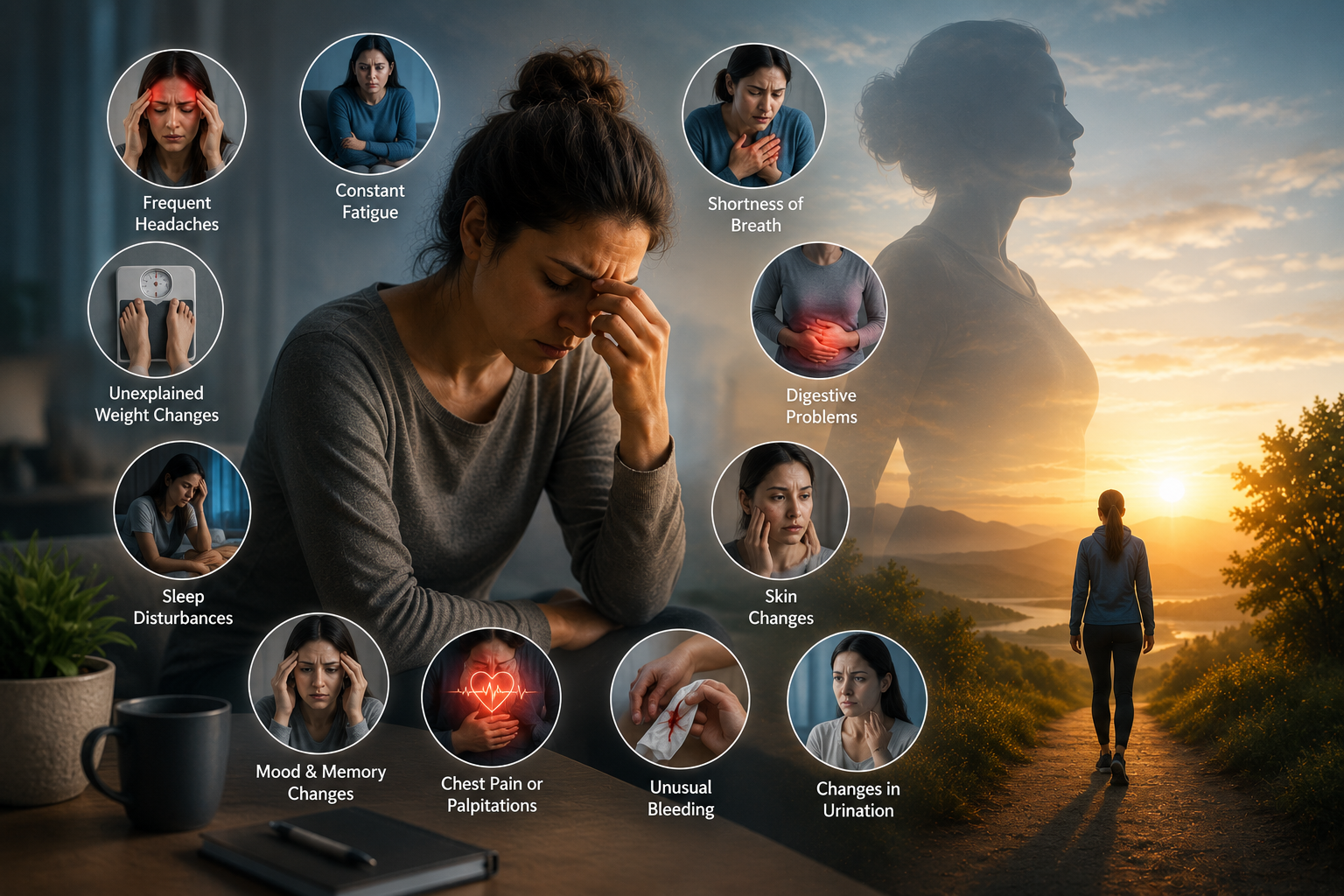
During perimenopause and menopause, for example, some women may experience hot flashes, sleep difficulties, mood changes, vaginal symptoms, or menstrual changes, while others may experience relatively few symptoms.
Personalized healthcare allows treatment and lifestyle recommendations to be based on the woman's symptoms, preferences, medical history, and health risks.
There is no need for every woman to follow exactly the same menopause management plan.
6. Mental and Physical Health Should Be Considered Together
Women's wellness involves both physical and mental health.
Stress, anxiety, depression, sleep problems, and emotional challenges can influence physical well-being. At the same time, chronic health conditions can affect emotional health.
A personalized healthcare approach considers these connections rather than treating mental and physical health as completely separate areas.
WHO describes women's health as encompassing physical and mental health throughout the life course.
7. Lifestyle Recommendations Should Be Individualized
Healthy lifestyle habits are important, but the best routine can differ between individuals.
For example, physical activity recommendations may need to account for:
- Age
- Fitness level
- Pregnancy
- Existing medical conditions
- Joint or muscle problems
- Recovery from illness or surgery
Similarly, nutritional recommendations may vary according to dietary preferences, allergies, pregnancy, nutritional deficiencies, metabolic conditions, and other factors.
Personalization makes health recommendations more realistic and easier to maintain.
8. Personalized Healthcare Can Improve Communication
Good healthcare depends on communication between the woman and her healthcare provider.
Women should feel comfortable discussing symptoms and asking questions about their health.
This can be particularly important because some women's symptoms may be overlooked or misunderstood. The Office on Women's Health highlights the importance of women speaking up about their concerns and working with healthcare providers to ensure their symptoms are heard and appropriately evaluated.
Useful information to share during an appointment includes:
- Current symptoms
- When symptoms started
- Changes in menstrual patterns
- Medications and supplements
- Previous diagnoses
- Family medical history
- Lifestyle changes
- Questions or concerns
9. Digital Health Can Support Personalized Care
Technology is increasingly becoming part of healthcare.
Women may use digital tools to:
- Track menstrual cycles
- Record symptoms
- Monitor physical activity
- Track sleep
- Store health information
- Access health education
- Communicate with healthcare professionals
WHO has reported that digital health technologies can improve women's access to healthcare, provide health information, and support greater participation in healthcare decisions.
However, digital tools should complement professional healthcare rather than replace appropriate medical evaluation.
10. Personalized Care Can Encourage Preventive Health
Healthcare should not only focus on treating illness after symptoms appear.
Preventive care can include:
- Routine health checkups
- Recommended screenings
- Vaccinations
- Blood pressure monitoring
- Appropriate laboratory testing
- Reproductive health care
- Dental and vision care
- Mental health support
The appropriate schedule depends on individual circumstances. Regular communication with a healthcare provider can help determine which preventive services are relevant.
11. Personalized Healthcare During Pregnancy
Pregnancy is a period when healthcare needs can change rapidly.
Factors such as age, previous pregnancies, existing medical conditions, medications, nutrition, and pregnancy-related complications can influence the care a woman needs.
Individualized prenatal care allows healthcare providers to monitor the mother and baby according to their specific circumstances.
WHO has specifically emphasized respectful and individualized pregnancy care adapted to women's unique needs, medical histories, and preferences.
12. Personalized Care Becomes Increasingly Important With Age
Healthcare priorities naturally change as women grow older.
During midlife and later adulthood, attention may increasingly focus on:
- Cardiovascular health
- Bone health
- Metabolic health
- Brain health
- Muscle strength
- Mobility
- Menopause
- Cancer prevention
- Healthy aging
The goal is not simply to live longer but to maintain good health and independence for as long as possible. The 2026 Office on Women's Health guidance emphasizes a life-course approach that includes midlife health, chronic disease prevention, bone health, brain health, and healthy aging.
How Women Can Participate in Personalized Healthcare
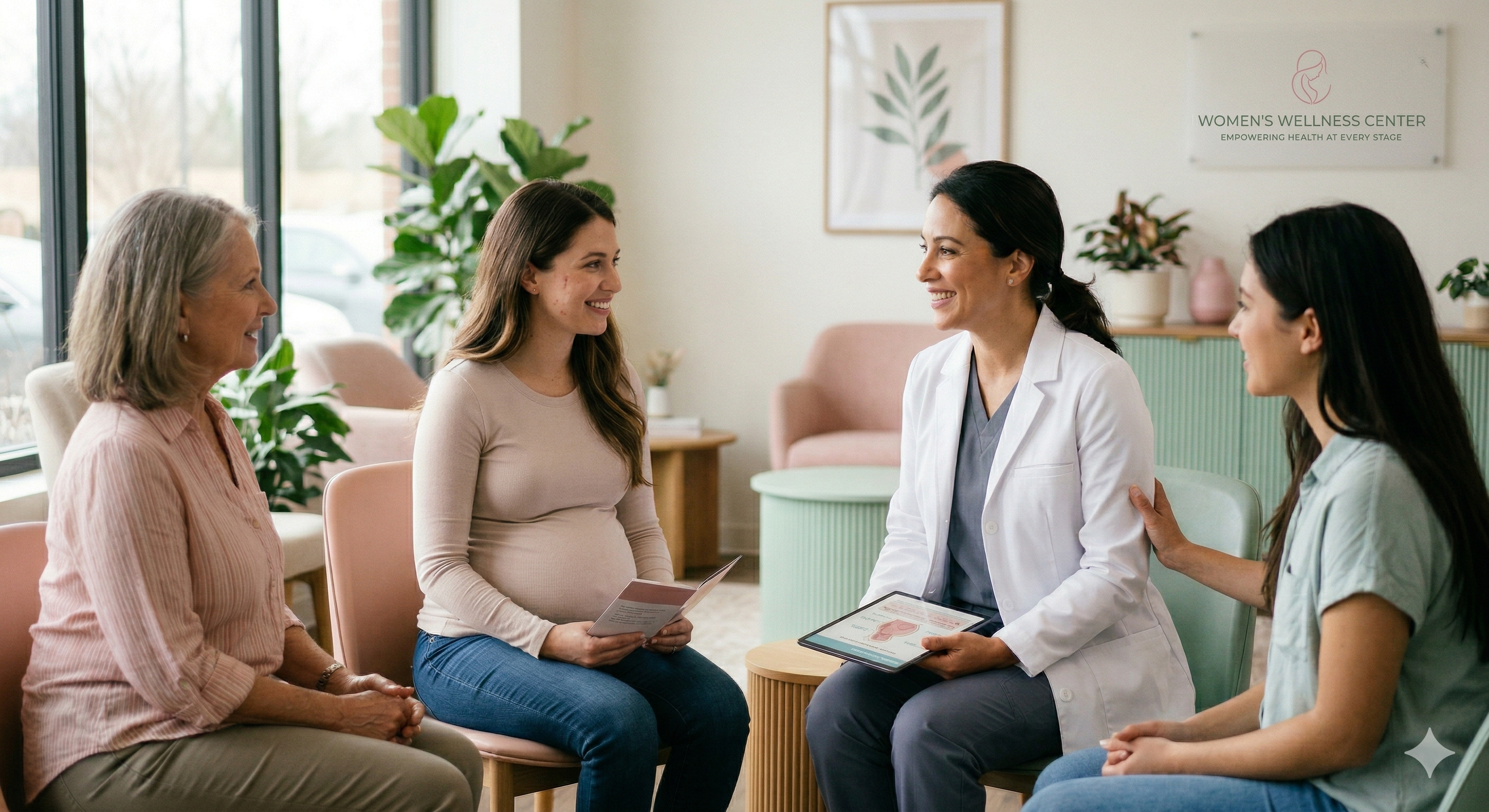
Personalized healthcare works best when women actively participate in their own care.
Keep Track of Your Health
Maintain records of important information such as medications, allergies, previous diagnoses, menstrual patterns, and relevant family history.
Prepare for Healthcare Appointments
Write down symptoms and questions before an appointment. This can make it easier to explain concerns clearly.
Be Honest About Lifestyle
Healthcare providers need accurate information about nutrition, physical activity, sleep, tobacco, alcohol, medications, and other lifestyle factors to provide appropriate advice.
Ask Questions
Women should feel comfortable asking:
- What could be causing this symptom?
- Do I need any tests?
- What are my treatment options?
- What are the benefits and risks?
- Are there lifestyle changes that could help?
- When should I follow up?
Seek a Second Opinion When Appropriate
For significant diagnoses or complex treatment decisions, seeking another professional opinion may help provide additional perspective.
Personalized Healthcare Does Not Mean More Tests for Everyone
Personalized care should not mean ordering every possible test or treatment.
Instead, the goal is to choose appropriate care based on the individual's needs and risk factors.
More testing is not always better. Unnecessary tests can sometimes lead to false alarms, additional procedures, anxiety, or unnecessary costs.
A thoughtful healthcare plan balances potential benefits, risks, costs, and the woman's preferences.
The Importance of Shared Decision-Making
An important part of personalized healthcare is shared decision-making.
This means the healthcare provider explains the available options, benefits, risks, and alternatives, while the woman participates in deciding what approach best fits her needs and preferences.
This can be particularly important when there are several reasonable treatment options.
Women should have the opportunity to understand their choices and make informed decisions about their health.
A Whole-Person Approach to Women's Wellness
Personalized healthcare is more than treating individual symptoms.
It looks at the woman as a whole, considering physical health, mental well-being, reproductive health, lifestyle, environment, medical history, and personal circumstances.
WHO describes primary healthcare as a people-centered approach that includes health promotion, prevention, treatment, rehabilitation, and ongoing care.
This broader approach can help create more continuous and coordinated healthcare rather than focusing only on isolated medical problems.
Conclusion
Every woman's health journey is different. Age, genetics, lifestyle, reproductive history, hormonal changes, medical conditions, and personal preferences can all influence the type of healthcare she needs.
Personalized healthcare recognizes these differences and helps women work with healthcare professionals to make informed decisions about prevention, diagnosis, treatment, and long-term wellness.
From menstrual health and reproductive care to pregnancy, menopause, chronic disease prevention, and healthy aging, individualized care can help women receive healthcare that is relevant to their unique needs at every stage of life. Current women's health guidance increasingly emphasizes proactive, connected, and personalized care across the lifespan.
Personalized healthcare is not about finding one perfect solution for every woman. It is about understanding the individual and providing care that fits her health, needs, circumstances, and goals.