Why Personalized Healthcare Matters in Chronic Women’s Conditions
Chronic health conditions can affect many aspects of a woman's life, including physical health, emotional well-being, relationships, work, family responsibilities, and daily activities. Conditions such as polycystic ovary syndrome (PCOS), endometriosis, migraine, thyroid disorders, diabetes, autoimmune conditions, and long-term pelvic or reproductive health problems may require ongoing care rather than a one-time treatment.
Because every woman has different symptoms, medical history, lifestyle, priorities, and treatment needs, healthcare should not always follow a one-size-fits-all approach. Personalized healthcare focuses on the individual as a whole person and helps healthcare professionals and patients make decisions together. ACOG describes shared decision-making as an individualized, patient-centered approach that considers treatment benefits and risks alongside the patient's values and priorities.
What Is Personalized Healthcare?
Personalized healthcare means adapting healthcare decisions to the needs of an individual patient.
Instead of focusing only on the diagnosis, healthcare professionals may consider:
- Symptoms and their severity
- Medical and family history
- Age and stage of life
- Current medications
- Lifestyle and daily routine
- Reproductive goals
- Mental and emotional well-being
- Personal preferences
- Treatment goals
- Possible risks and benefits of different treatments
This approach recognizes that two women with the same diagnosis may have very different experiences and may not benefit from exactly the same treatment plan.
Why Is Personalized Care Important for Chronic Conditions?
Chronic conditions often require ongoing monitoring and adjustments. Symptoms may change over time, treatments may need to be modified, and personal circumstances can also change.
A personalized approach can help healthcare professionals understand what matters most to the patient and develop realistic goals for managing the condition.
Research on personalized care planning for long-term conditions suggests that involving patients in setting goals and action plans can improve some measures of physical and psychological health and can strengthen confidence and skills for self-management.
1. Symptoms Can Be Different for Every Woman
The same condition can affect women differently.
For example, one woman with PCOS may be primarily concerned about irregular periods, while another may be more affected by acne, excess hair growth, weight-related concerns, or difficulty becoming pregnant.
Similarly, women with endometriosis may experience different levels of pelvic pain, menstrual symptoms, fatigue, or effects on daily activities.
Personalized care allows treatment discussions to focus on the symptoms that have the greatest impact on an individual woman's life.
2. Treatment Goals May Differ
A woman's healthcare priorities can change depending on her circumstances.
For example, treatment goals may include:
- Managing pain
- Regulating menstrual cycles
- Improving quality of life
- Supporting fertility
- Managing symptoms during menopause
- Improving sleep
- Supporting emotional well-being
- Preventing complications
- Maintaining the ability to work and participate in daily activities
Healthcare decisions can be more meaningful when these goals are discussed openly with the healthcare professional.
3. Shared Decision-Making Gives Women a Voice
Personalized healthcare often involves shared decision-making.
This means the healthcare professional provides information about available options, including potential benefits and risks, while the patient shares her preferences, concerns, and priorities. Together, they decide on an appropriate course of care.
Women should feel comfortable asking questions such as:
- What are my treatment options?
- What are the possible benefits?
- What are the possible risks or side effects?
- Are there alternatives?
- How long might treatment take?
- What happens if I choose not to start treatment immediately?
- Could this treatment affect fertility or pregnancy?
- What symptoms should I monitor?
Having these conversations can help patients make informed decisions.
4. Chronic Conditions Can Affect Emotional Well-Being
Living with a long-term condition can be emotionally challenging.
Persistent pain, unpredictable symptoms, fertility concerns, changes in appearance, fatigue, or repeated medical appointments can contribute to frustration, anxiety, stress, or low mood.
Personalized care should therefore consider emotional and mental well-being alongside physical symptoms.
A comprehensive women's health history may include reproductive, sexual, mental health, medical, social, and family information.
5. Reproductive Goals Matter
For many women with chronic conditions, reproductive goals are an important part of healthcare planning.
A woman may want to:
- Prevent pregnancy
- Become pregnant soon
- Preserve future fertility
- Manage symptoms while trying to conceive
- Understand how a condition may affect pregnancy
Treatment choices may need to take these goals into account. For example, ACOG highlights that personal goals such as future pregnancy can be relevant when discussing treatment options for gynecological conditions.
6. Lifestyle and Daily Responsibilities Should Be Considered
A treatment plan may be medically appropriate but difficult to follow if it does not fit a woman's daily life.
Work schedules, family responsibilities, physical activity, diet, transportation, financial considerations, and access to healthcare can all affect how easily a person can follow a treatment plan.
Personalized care encourages healthcare professionals to understand these practical factors and discuss realistic options.
7. Treatment May Need to Change Over Time
Chronic conditions are not always static.
Symptoms may improve, worsen, or change. A treatment that works well at one stage may need to be adjusted later.
Regular follow-up allows healthcare professionals to:
- Monitor symptoms
- Review treatment effectiveness
- Identify side effects
- Update goals
- Consider new treatment options
- Address new concerns
Personalized care is therefore an ongoing process rather than a single appointment.
8. Coordinated Care Can Be Valuable
Some chronic conditions involve more than one area of health.
A woman may need support from different healthcare professionals, depending on her condition. These may include:
- Primary healthcare professionals
- Gynecologists
- Endocrinologists
- Dermatologists
- Mental health professionals
- Dietitians
- Physiotherapists
- Other specialists
Coordinated care can help ensure that different aspects of a woman's health are considered together rather than treated as completely separate problems.
9. Understanding Your Own Health Can Improve Self-Management
Personalized healthcare is not only about what happens during a medical appointment. It can also help women become more involved in managing their health.
Useful habits may include keeping track of:
- Symptoms
- Menstrual cycles
- Medications
- Side effects
- Sleep patterns
- Pain levels
- Lifestyle changes
- Questions for the next appointment
Having this information available can make conversations with healthcare professionals more productive.
10. Personalized Care Does Not Mean Self-Treatment
Personalized healthcare does not mean choosing treatments independently based only on online information, social media, or personal preference.
Healthcare decisions should consider scientific evidence, clinical assessment, individual risks, and the patient's goals.
Personalization means combining professional medical knowledge with information about the individual patient. ACOG emphasizes that shared decision-making should include accurate information about treatment options, benefits, risks, and the patient's values and priorities.
Examples of Chronic Women's Health Conditions
Personalized care may be relevant for women living with conditions such as:
Polycystic Ovary Syndrome (PCOS)
PCOS can involve irregular periods, acne, increased facial or body hair, metabolic concerns, and fertility difficulties. Treatment priorities can differ considerably between women.
Endometriosis
Endometriosis may cause pelvic pain, painful periods, pain during sex, bowel or bladder symptoms, and fertility concerns. The most appropriate management can depend on symptoms, severity, reproductive goals, and previous treatments.
Thyroid Disorders
Thyroid conditions can affect energy, weight, mood, menstrual cycles, and other aspects of health. Monitoring and treatment may need to be adjusted according to individual circumstances.
Migraine
Women may experience changes in migraine patterns related to hormonal fluctuations. Treatment decisions can depend on symptoms, triggers, other medical conditions, medications, and reproductive considerations.
Menopause-Related Conditions
Women experience menopause differently. Some may primarily experience hot flashes and sleep problems, while others may be more affected by vaginal symptoms, mood changes, or other concerns.
How Women Can Participate in Personalized Healthcare
Women can take an active role in their healthcare by:
- Keeping track of symptoms and changes over time.
- Sharing complete medical information with healthcare professionals.
- Discussing personal goals, including reproductive goals.
- Asking questions about treatment options.
- Discussing benefits and risks before making important decisions.
- Mentioning side effects rather than stopping treatment without medical advice.
- Sharing lifestyle and practical concerns that may affect treatment.
- Following up regularly when managing a chronic condition.
- Seeking a second professional opinion when appropriate.
- Working collaboratively with the healthcare team.
What Should a Personalized Care Plan Include?
Depending on the condition, a personalized care plan may include:
- A clear understanding of the diagnosis
- Individual treatment goals
- Medication or other treatment options
- Lifestyle recommendations
- Symptom monitoring
- Preventive healthcare
- Mental health support when appropriate
- Follow-up appointments
- Clear instructions about when to seek additional care
Personalized care planning works best when it is integrated into routine healthcare and includes ongoing communication and review.
When Should You Seek Professional Care?
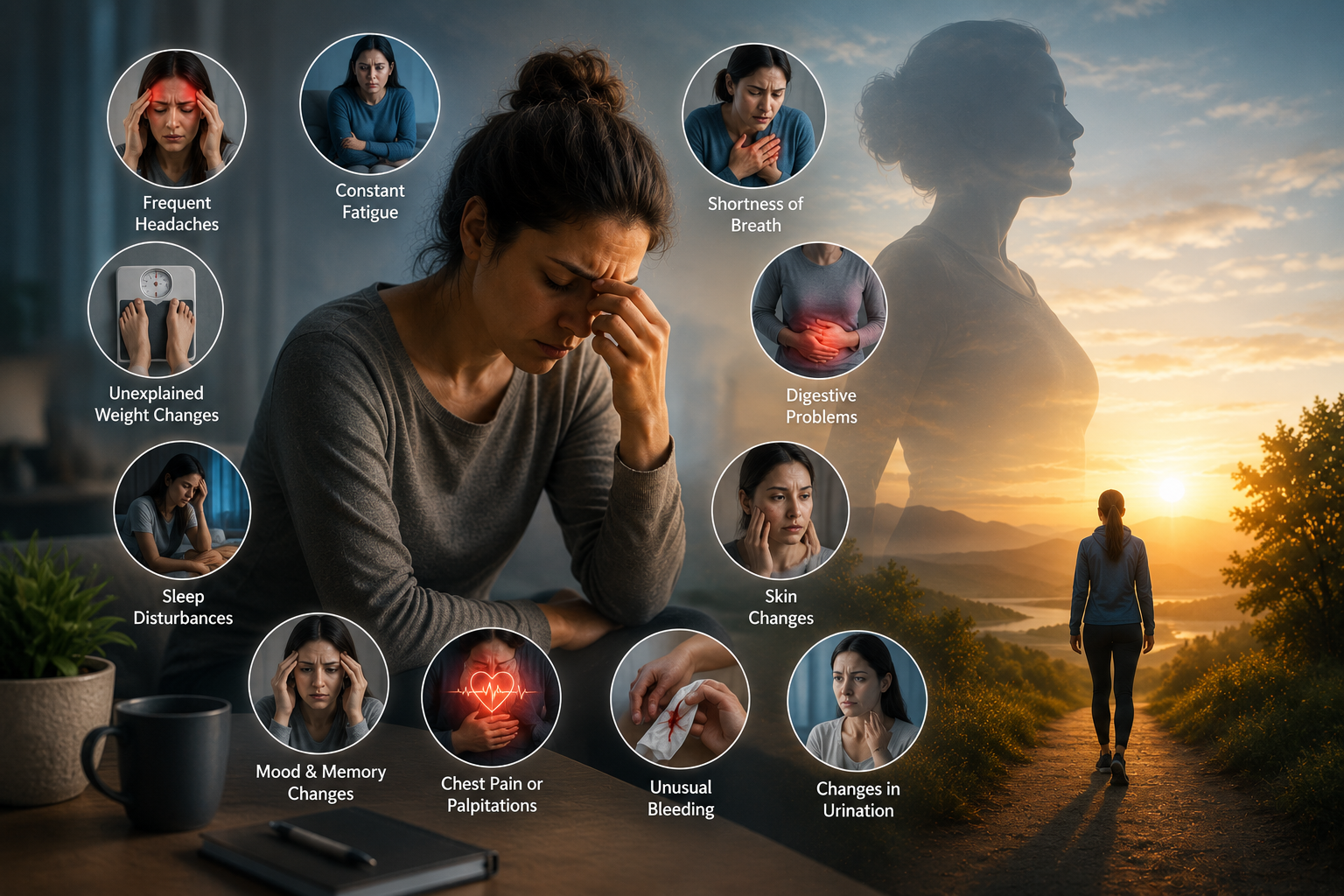
Women living with persistent or unexplained symptoms should consider discussing them with a qualified healthcare professional.
Seek medical advice for symptoms such as:
- Persistent or severe pain
- Repeatedly irregular periods
- Unexplained bleeding
- Significant changes in weight
- Persistent fatigue
- Difficulty becoming pregnant
- Severe menstrual symptoms
- Ongoing digestive or pelvic symptoms
- Significant mood or sleep changes
- Symptoms that interfere with everyday activities
Early evaluation may help identify the underlying cause and determine appropriate care.
Final Thoughts
Chronic women's health conditions can affect much more than one part of the body. They can influence physical health, emotional well-being, relationships, fertility, work, and everyday life.
Personalized healthcare recognizes these differences and places the individual woman at the center of the care process. By combining medical evidence with personal health history, symptoms, goals, preferences, and lifestyle, healthcare professionals and patients can work together toward more appropriate and realistic care decisions.
Women should feel encouraged to ask questions, share their concerns, understand their options, and participate actively in decisions about their health.
Good healthcare is not simply about treating a condition. It is also about understanding the person living with it.