Why Women’s Health Needs a Personalized Approach to Wellness
Every woman has a different combination of health history, lifestyle, hormones, age, stress levels, nutrition, sleep patterns, and personal needs. Because of these differences, women's wellness cannot always be approached with a single solution for everyone.
A personalized approach focuses on understanding the whole person, rather than looking at one symptom by itself. Current guidance from the Office on Women’s Health emphasizes prevention, early detection, hormonal health, lifestyle factors, and care that adapts to a woman's age, history, and individual risk factors.
Why Personalized Wellness Matters
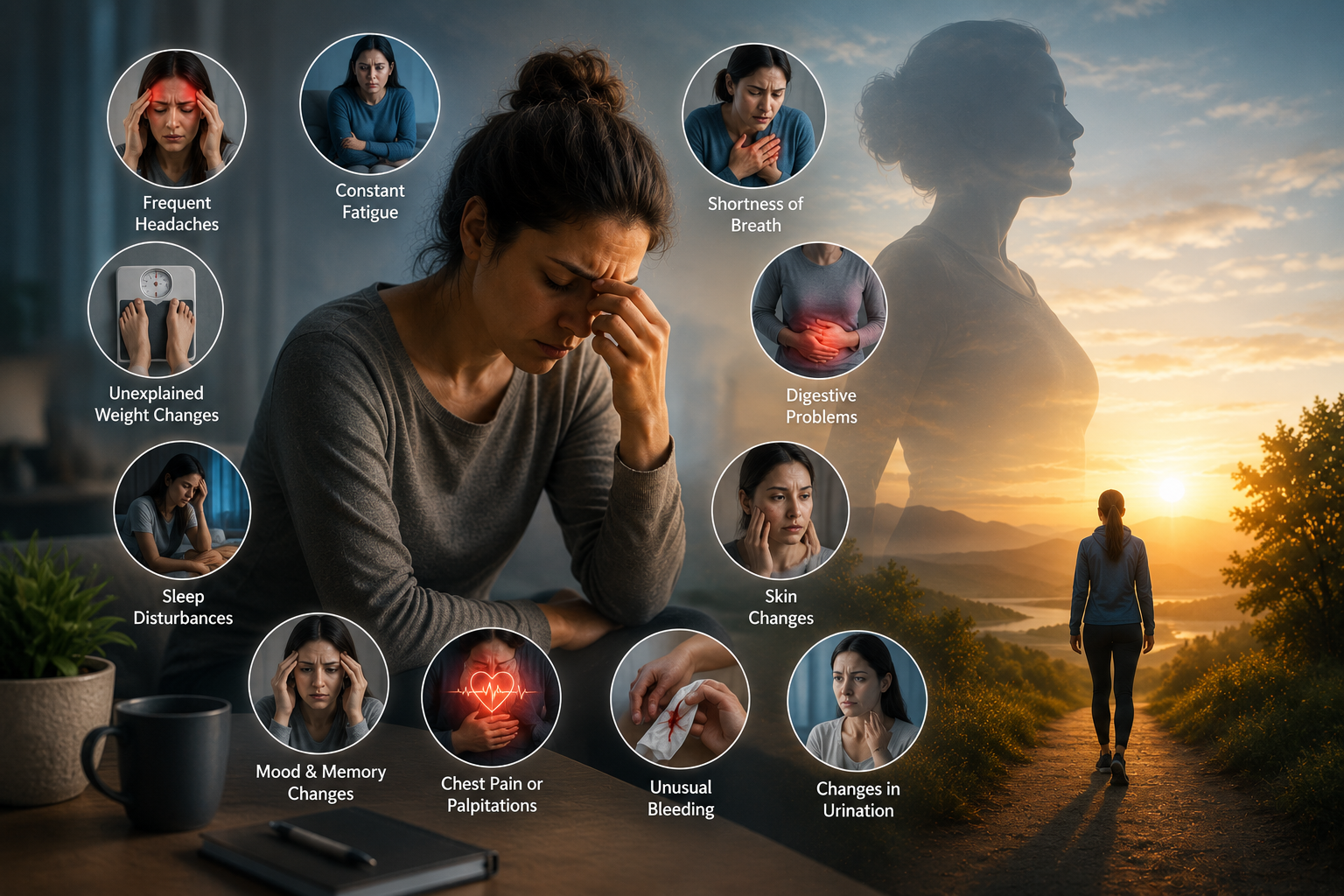
Two women may experience the same symptom but have completely different reasons behind it. For example, fatigue, irregular periods, sleep problems, mood changes, or hormonal symptoms can be influenced by multiple factors.
A personalized approach considers:
Health and medical history
Menstrual and reproductive history
Age and stage of life
Family health history
Nutrition and physical activity
Sleep quality
Stress and emotional well-being
Existing health conditions
Medications and supplements
This broader information can help healthcare professionals better understand an individual's needs.
Women's Health Changes With Age
Health priorities naturally change throughout life. A woman's needs during adolescence may be different from those during her reproductive years, pregnancy, perimenopause, menopause, or later adulthood.
Preventive care and health discussions should therefore be adapted as circumstances change. Recommended screenings can also vary according to age and personal or family history.
Looking Beyond Individual Symptoms
A symptom is often only one part of a larger picture.
For example, persistent fatigue may be associated with poor sleep, stress, nutritional factors, medications, hormonal changes, or another health condition.
Instead of immediately assuming the cause, a personalized approach considers questions such as:
When did the symptom begin?
Is it connected to the menstrual cycle?
Has sleep changed?
Are there new lifestyle or stress factors?
Are other symptoms occurring?
Is there a relevant family history?
This can provide more useful context during a healthcare consultation.
Lifestyle Is Part of Women's Wellness
Personalized wellness also includes everyday habits.
Important areas include:
Nutrition: Eating a balanced diet that provides essential nutrients.
Physical activity: Regular movement supports overall physical health.
Sleep: Consistent, good-quality sleep supports physical and emotional well-being.
Stress management: Healthy ways of managing stress can support overall wellness.
Preventive care: Regular checkups and appropriate screenings can help identify potential concerns early.
Hormonal Health Needs Individual Attention
Hormonal changes occur throughout a woman's life and can influence different aspects of health.
Menstrual changes, pregnancy, perimenopause, and menopause can all bring different experiences. Not every woman will experience the same symptoms or require the same approach.
This is why hormonal concerns should be considered alongside age, lifestyle, medical history, and other symptoms rather than viewed in isolation.
The Importance of Communication
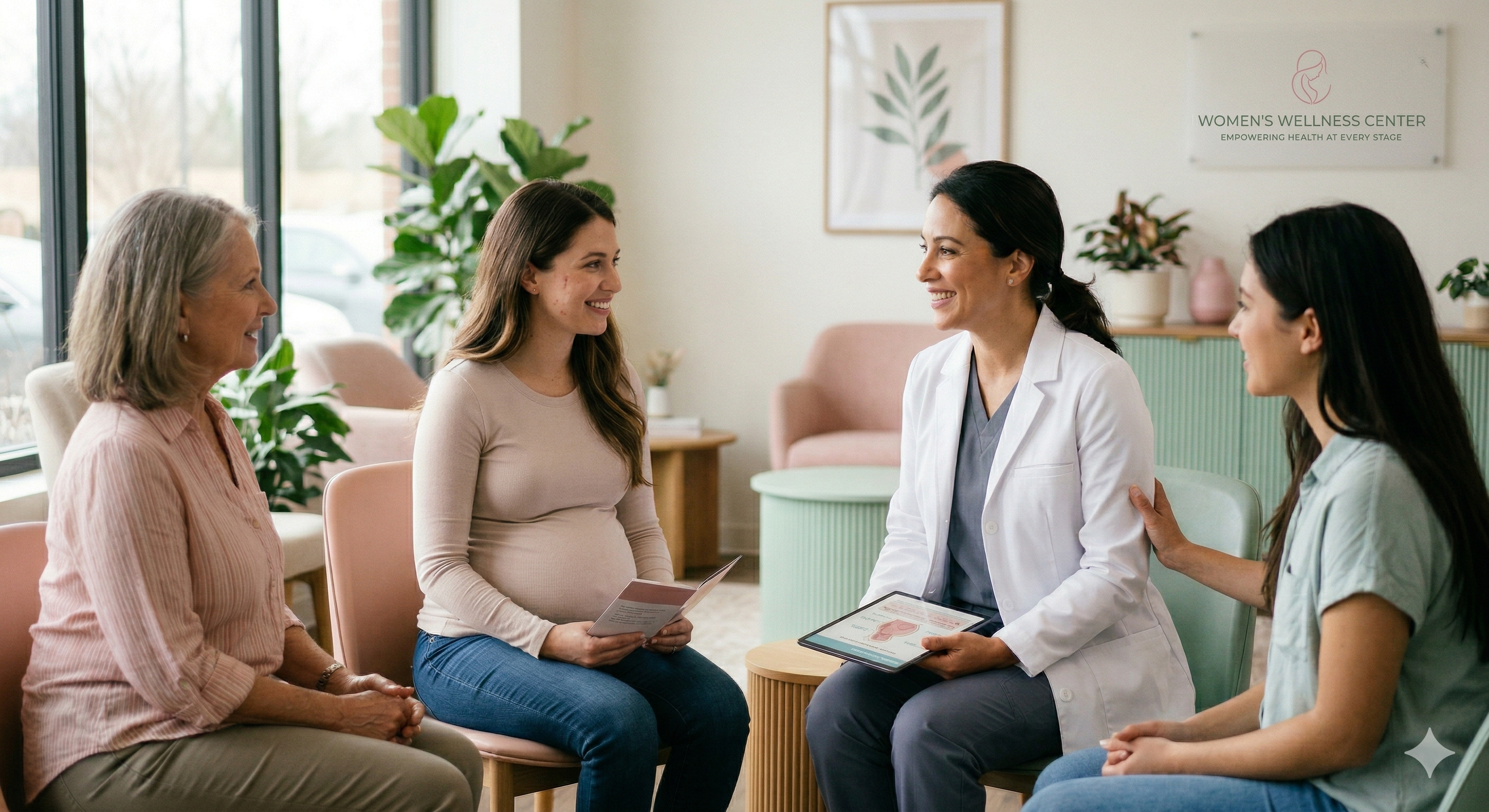
Personalized healthcare depends on open communication.
Women should feel comfortable discussing changes in their periods, mood, sleep, reproductive health, pain, or other concerns with their healthcare provider.
Keeping a record of symptoms, medications, menstrual patterns, and family health history can also make appointments more productive. The Office on Women’s Health recommends sharing relevant personal and family health information and speaking openly about concerns.
A Whole-Person Approach
Women's wellness is best understood as a combination of different factors:
Hormones + Nutrition + Sleep + Stress + Physical Activity + Reproductive Health + Family History + Lifestyle
Looking at these factors together can provide a more complete picture of an individual's health.
Conclusion
Women’s health is personal, and wellness strategies should reflect individual needs. A personalized approach considers a woman's health history, life stage, symptoms, lifestyle, and risk factors rather than applying the same solution to everyone.
By focusing on prevention, healthy habits, regular checkups, open communication, and early attention to changes, women can take a more informed and active role in their long-term health.