Women’s Gut Health and Hormones: Is There a Connection?
Gut health is becoming an increasingly important part of conversations around women’s health. From bloating and constipation to changes in mood, energy, and digestion, many women notice that their digestive health can change at different stages of life.
But is there really a connection between the gut and hormones?
Yes, there appears to be a connection, and research is increasingly showing that the relationship works in both directions. Hormones such as estrogen can influence the gut microbiome, while the bacteria living in the gut can also participate in hormone metabolism. Researchers often refer to this relationship as the gut-hormone axis.
How Are the Gut and Hormones Connected?
The gut contains trillions of microorganisms, including bacteria that help with digestion, metabolism, immune function, and other processes. The composition and activity of these microorganisms can be influenced by factors such as diet, age, lifestyle, medications, and hormonal changes.
Estrogen is particularly interesting because certain gut bacteria contain enzymes involved in processing estrogen. The collection of these bacterial genes and functions is often called the estrobolome. These bacteria can influence how estrogen is metabolized and recirculated in the body.
This means the relationship is not simply "hormones affect the gut." The gut microbiome may also influence estrogen availability.
What Happens to the Gut During Hormonal Changes?
Women experience significant hormonal changes throughout life, including during the menstrual cycle, pregnancy, postpartum years, perimenopause, and menopause.
Changes in estrogen levels may coincide with changes in digestive symptoms and the gut microbiome. For example, during perimenopause and menopause, declining estrogen is accompanied by many changes throughout the body, and researchers are investigating how the gut microbiome may be involved.
However, it is important not to oversimplify this relationship. A 2026 systematic review and meta-analysis found that existing studies do not consistently show major differences in gut microbiome diversity or the abundance of major bacterial groups between women with lower estrogen levels and premenopausal women. This suggests that the relationship is complex and influenced by many factors beyond estrogen alone.
Can Gut Health Affect Estrogen?
The gut microbiome participates in estrogen metabolism through the estrobolome. Certain bacterial enzymes can modify estrogen compounds, potentially affecting how much estrogen is available for circulation and elimination.
This has led researchers to investigate whether changes in gut bacteria could influence conditions associated with estrogen signaling, including some reproductive and metabolic disorders.
However, most of this research is still developing. Having a particular gut bacteria profile does not automatically mean that a woman has a hormone imbalance, and gut microbiome testing should not be used on its own to diagnose hormonal conditions.
What About Period-Related Digestive Symptoms?
Many women experience digestive changes around their menstrual periods. Bloating, changes in bowel movements, abdominal discomfort, and changes in appetite can occur during different phases of the menstrual cycle.
Hormonal fluctuations are one possible contributor, but diet, stress, sleep, physical activity, and individual digestive conditions can also influence these symptoms.
The gut and brain are also closely connected through the gut-brain axis. This may help explain why stress and emotional changes can sometimes affect digestion, while digestive discomfort can influence mood and overall well-being.
Gut Health and Menopause
The relationship between gut health and hormones becomes particularly interesting during perimenopause and menopause.
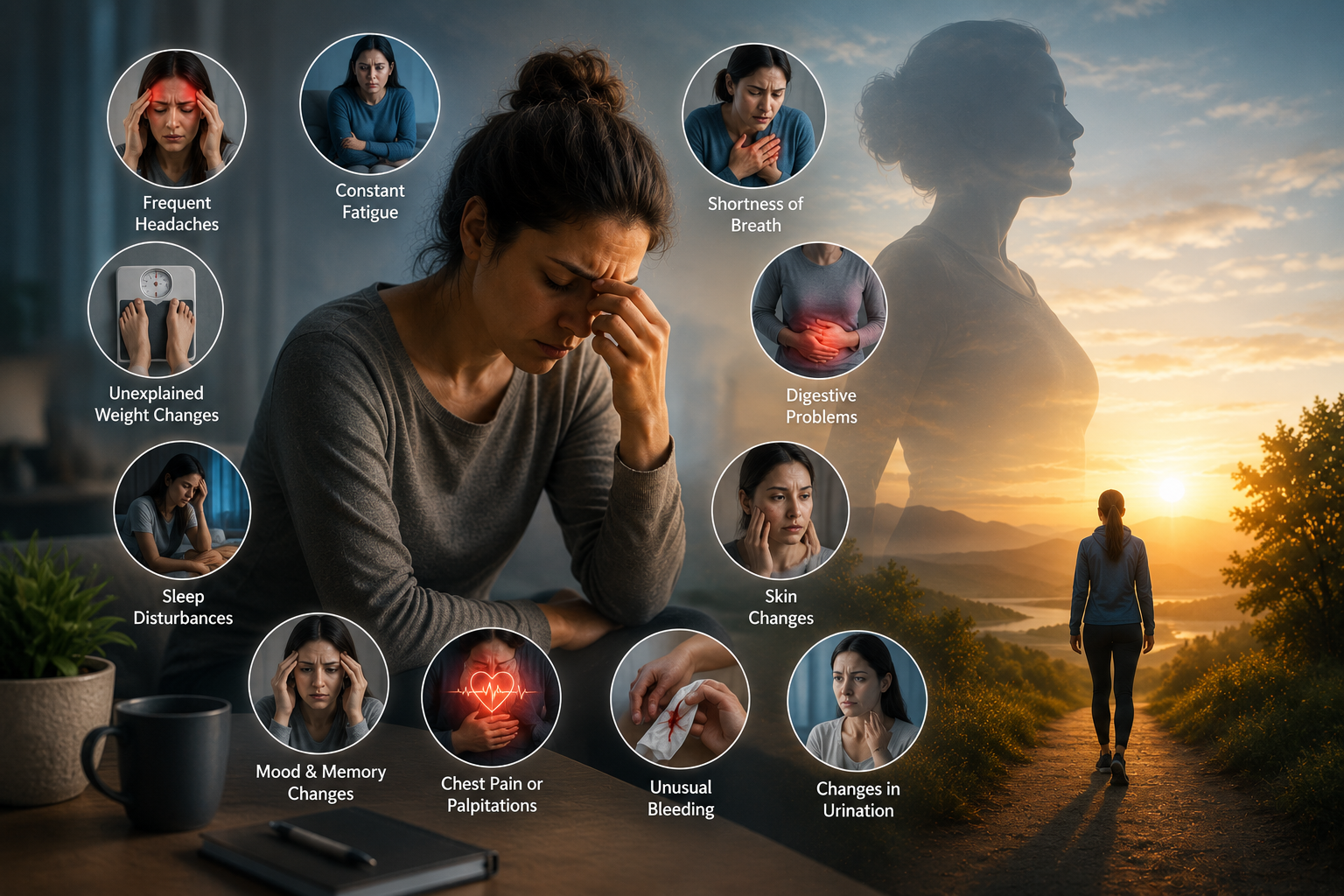
As estrogen levels change, women may experience symptoms such as:
Bloating or changes in digestion
Constipation
Changes in appetite or weight
Sleep disturbances
Mood changes
Changes in energy levels
Research suggests that the gut microbiome may play a role in the broader physiological changes associated with menopause, but scientists are still determining exactly how much of this relationship is caused by hormonal changes, diet, aging, lifestyle, or other factors.
How Can Women Support Their Gut Health?
There is no single food or supplement that can "balance" hormones through the gut. Instead, a consistent, balanced lifestyle is a better approach.
1. Eat a Variety of Fiber-Rich Foods
Vegetables, fruits, whole grains, beans, lentils, nuts, and seeds provide dietary fiber that can support a diverse gut microbiome.
Increasing fiber gradually and drinking enough water can also help reduce constipation.
2. Include Fermented Foods
Foods such as yogurt with live cultures and other traditionally fermented foods can be part of a balanced diet. However, probiotic supplements are not universally necessary, and their benefits can vary depending on the specific strain and individual circumstances.
3. Focus on Overall Diet Quality
A diet rich in minimally processed foods provides a wide variety of nutrients and plant compounds that support overall health and may contribute to a healthier gut environment.
4. Stay Physically Active
Regular physical activity supports digestive, metabolic, cardiovascular, and overall health. It can also be helpful for managing stress.
5. Prioritize Sleep and Stress Management
Stress and poor sleep can affect digestive function and overall hormonal well-being. Maintaining a regular sleep schedule and finding healthy ways to manage stress can therefore be an important part of supporting gut health.
When Should You See a Doctor?
Occasional bloating or digestive changes are common, but persistent or severe symptoms should not simply be blamed on "hormonal imbalance" or poor gut health.
Speak with a healthcare professional if you experience persistent abdominal pain, unexplained weight loss, blood in the stool, ongoing diarrhea or constipation, significant changes in bowel habits, or symptoms that interfere with daily life.
Similarly, irregular periods, very heavy bleeding, severe menstrual pain, fertility concerns, or other significant hormonal symptoms deserve proper medical evaluation.
The Bottom Line
The gut and hormones are connected, but the relationship is complex.
Estrogen can influence the gut microbiome, while gut bacteria participate in estrogen metabolism through the estrobolome. Research is continuing to explore how this two-way relationship may affect women's health throughout the menstrual cycle, reproductive years, perimenopause, and menopause.
Rather than looking for a single "hormone-balancing" food or supplement, women can support their gut and overall health through a varied, fiber-rich diet, regular physical activity, adequate sleep, stress management, and appropriate medical care when symptoms persist.
As research develops, understanding the gut-hormone connection may provide new insights into personalized approaches to women's health.