Women's Health After 35: 10 Changes You Shouldn't Ignore
Turning 35 does not mean that your body suddenly starts aging or that health problems are inevitable. However, the mid-30s can be a useful time to become more attentive to changes in your body.
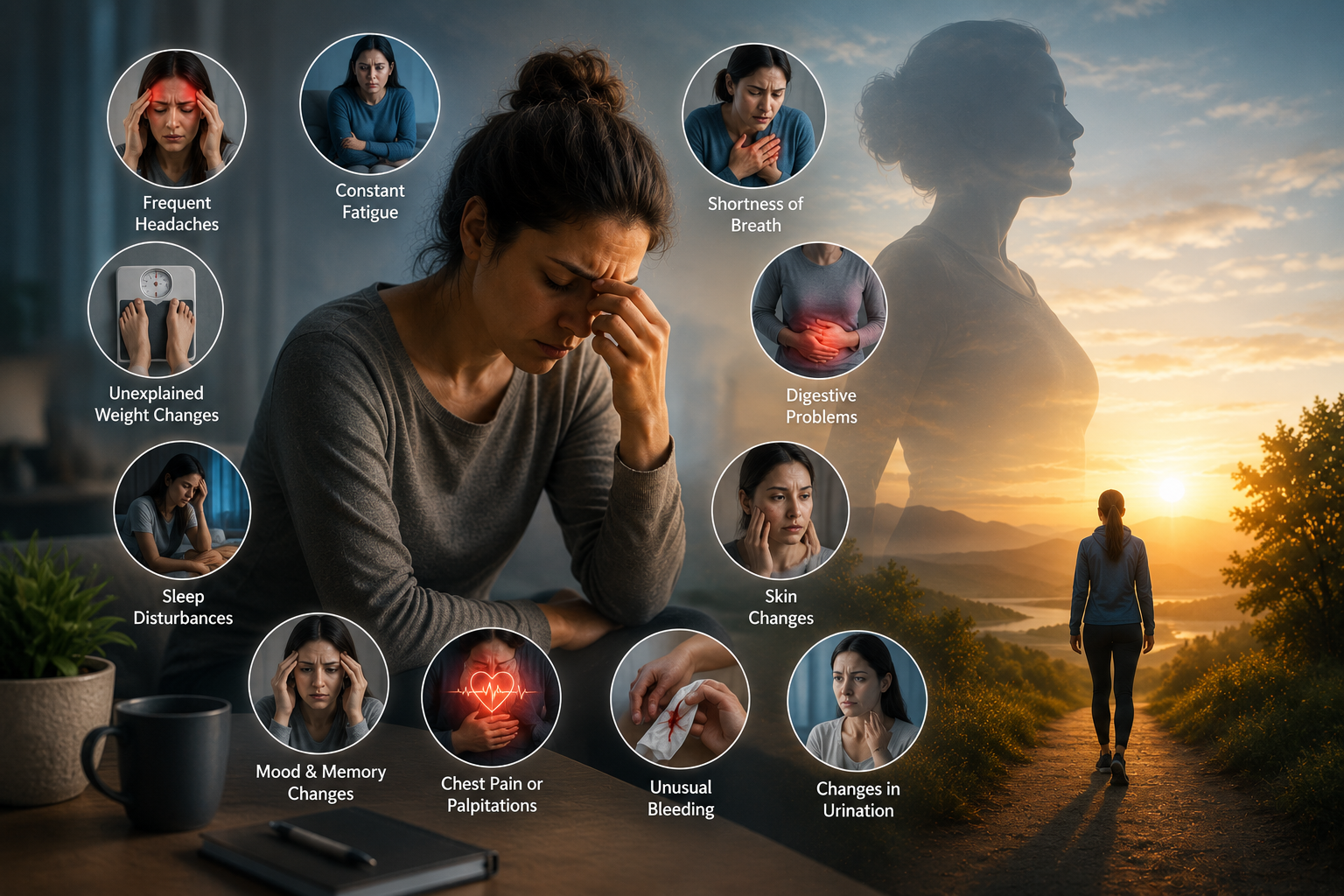
Some changes are a normal part of getting older, while others may signal an underlying condition that deserves medical attention. Menstrual changes, fertility concerns, persistent fatigue, changes in weight, breast symptoms, or new pelvic pain should not automatically be dismissed as "just getting older."
Here are 10 changes women should pay attention to after 35.
1. Changes in Your Menstrual Cycle
Your menstrual cycle can change over time. Periods may become shorter or longer, bleeding may become heavier or lighter, or the timing of your cycle may become less predictable.
Occasional variation can be normal, but a significant or persistent change deserves attention.
Talk to a healthcare professional if you notice:
Very heavy menstrual bleeding
Bleeding between periods
Bleeding after sex
Periods that suddenly become much more painful
Periods that become consistently irregular
A major change in your usual menstrual pattern
Conditions such as fibroids, thyroid disorders, endometriosis, adenomyosis, and other hormonal or reproductive conditions can affect menstrual patterns.
2. New or Worsening Period Pain
Mild menstrual cramps are common, but new or progressively worsening pain should not simply be accepted as normal.
If periods that were previously manageable become extremely painful, or if pelvic pain occurs outside your period, it may be worth investigating.
Endometriosis, adenomyosis, fibroids, and pelvic inflammatory disease are among the conditions that can cause pelvic or menstrual pain.
Pain during sex, painful bowel movements during your period, or persistent pelvic discomfort are also symptoms worth discussing with a healthcare professional.
3. Changes in Fertility
Fertility gradually changes with age, and the decline becomes more noticeable during the later reproductive years.
This does not mean that pregnancy after 35 is impossible. Many women have healthy pregnancies after 35. However, age can affect egg quantity and quality and can increase the likelihood of certain pregnancy complications.
If you are planning pregnancy, discussing your reproductive goals with a healthcare professional can be useful.
If you are trying to conceive and are concerned about fertility, don't feel that you need to wait indefinitely before seeking advice.
4. Persistent Fatigue
Everyone feels tired sometimes. Busy schedules, stress, poor sleep, and lack of physical activity can all contribute to fatigue.
But persistent or unexplained fatigue deserves attention, especially if it is new or interfering with everyday life.
Possible causes can include:
Iron deficiency or anemia
Thyroid problems
Sleep disorders
Nutritional deficiencies
Stress or burnout
Depression or anxiety
Other medical conditions
Rather than assuming that feeling exhausted is simply part of getting older, consider discussing persistent fatigue with your healthcare provider.
5. Unexplained Weight or Metabolic Changes
Some women notice changes in body composition, appetite, or weight as they get older.
Changes in activity levels, muscle mass, sleep, stress, medications, and diet can all contribute.
However, rapid or unexplained weight gain or weight loss should not be ignored.
Blood pressure, blood glucose, cholesterol, and other metabolic health markers also become increasingly important as part of preventive healthcare.
A healthy lifestyle that includes regular physical activity, adequate protein and fiber, nutritious foods, and sufficient sleep can support long-term metabolic health.
6. New Breast Changes
Breast tissue naturally changes throughout the menstrual cycle and with age. Tenderness or temporary changes can sometimes be related to hormonal fluctuations.
However, new or persistent breast changes should be evaluated.
Pay attention to:
A new lump
Persistent breast pain in one specific area
Changes in breast shape or size
Skin changes such as dimpling
Nipple changes
New nipple discharge, particularly bloody discharge
Not every breast change is cancer, but it is important to have unusual or persistent changes assessed.
Breast cancer screening recommendations depend on age, personal risk, family history, and the country or guideline being followed. For example, the current U.S. Preventive Services Task Force recommends mammography every two years for women aged 40 to 74 at average risk.
7. Sleep Problems
Sleep can become more difficult for many reasons during adulthood.
Stress, lifestyle changes, anxiety, medications, hormonal fluctuations, and medical conditions can all affect sleep.
Some women also notice changes in sleep around their menstrual cycle.
If you regularly struggle to fall asleep, wake repeatedly during the night, wake feeling exhausted, or experience significant daytime sleepiness, it is worth discussing the problem with a healthcare professional.
Persistent sleep problems can affect mood, concentration, appetite, metabolism, and overall quality of life.
8. Mood and Mental Health Changes
Mental health deserves the same attention as physical health.
Persistent irritability, anxiety, sadness, loss of interest, emotional exhaustion, or difficulty concentrating should not automatically be blamed on hormones or a busy lifestyle.
Hormonal changes can influence mood, but mental health symptoms can have many causes.
If changes in your mood last for several weeks or begin interfering with work, relationships, sleep, or daily activities, professional support can make a significant difference.
9. Changes in Skin and Hair
Hormones, genetics, nutrition, stress, medications, and aging can all influence the skin and hair.
Some women notice:
Increased hair shedding
Thinning hair
New facial hair
Changes in acne
Drier skin
Changes in pigmentation
These changes are not necessarily signs of a serious problem. However, sudden or significant changes may sometimes be associated with thyroid disorders, iron deficiency, hormonal conditions, or other health issues.
A healthcare professional can help determine whether testing is appropriate.
10. Don't Ignore Preventive Health Checks
One of the most important changes after 35 is not necessarily something you feel. It is recognizing the value of preventive healthcare.
Depending on your age, personal history, family history, lifestyle, and risk factors, your healthcare professional may recommend monitoring or screening for conditions such as:
High blood pressure
Diabetes
High cholesterol
Cervical cancer
Breast cancer
Colorectal cancer
Thyroid problems when clinically indicated
Mental health concerns
For cervical cancer, U.S. guidelines recommend screening for women aged 30 to 65 using one of several accepted strategies involving HPV testing and/or cervical cytology.
Colorectal cancer screening for average-risk adults generally begins at age 45 under current U.S. Preventive Services Task Force recommendations.
Screening recommendations vary by country and individual risk, so your personal healthcare provider can help determine which tests are appropriate for you.
What About Perimenopause?
One common misconception is that turning 35 means perimenopause is beginning.
Not necessarily.
Perimenopause usually occurs later, most commonly during the 40s, although the timing varies from woman to woman.
Some women in their late 30s may experience hormonal or menstrual changes, but these symptoms can also have many other causes. If your periods become significantly irregular, unusually heavy, or associated with new symptoms, it is better to investigate rather than assume the cause.
What Can You Do to Support Your Health After 35?
You don't need an extreme health routine to take better care of yourself.
Focus on sustainable habits:
Eat a Balanced Diet
Prioritize vegetables, fruits, whole grains, legumes, nuts, seeds, healthy sources of protein, and adequate hydration.
Stay Physically Active
Combine aerobic activity with strength training to support cardiovascular health, muscle mass, bone health, and overall fitness.
Protect Your Sleep
Aim for a consistent sleep schedule and address persistent sleep problems rather than relying on caffeine to get through the day.
Manage Stress
Chronic stress can affect sleep, mood, eating habits, and overall well-being. Regular movement, relaxation techniques, hobbies, social connection, and professional support can all help.
Know Your Family History
Your family history can influence your risk for conditions such as breast cancer, ovarian cancer, colorectal cancer, diabetes, and cardiovascular disease.
Sharing relevant family history with your healthcare professional can help guide personalized prevention and screening.
When Should You Seek Medical Advice?
Don't wait for your next routine appointment if you develop symptoms that are severe, persistent, rapidly worsening, or unusual for you.
In particular, seek medical advice for:
Unexplained weight loss
Very heavy or abnormal bleeding
Persistent pelvic or abdominal pain
A new breast lump or concerning breast change
Blood in the stool
Persistent fatigue
Significant changes in your menstrual cycle
New or severe headaches or neurological symptoms
Persistent changes in mood
Symptoms that interfere with your normal daily activities
These symptoms do not necessarily mean that something serious is wrong. They simply deserve appropriate evaluation.
The Bottom Line
Your 35th birthday is not a medical deadline. It is simply a good reminder to pay attention to your health.
Changes in periods, fertility, energy, sleep, mood, weight, breasts, skin, and hair can happen for many reasons. Some are normal, while others may be signs that deserve evaluation.
The most important thing is to know what is normal for your body and recognize when something has changed.
Regular preventive care, healthy lifestyle habits, awareness of family history, and timely medical evaluation can help you stay ahead of potential health problems.
Your body does not need to be perfect after 35. It simply deserves to be listened to.