Women’s Mental Wellness: Building Healthy Emotional Coping Habits
Mental wellness is an important part of a woman’s overall health. It influences how we handle stress, manage emotions, maintain relationships, make decisions, and respond to everyday challenges. Mental health can change throughout life, and experiences such as work pressure, family responsibilities, major life changes, sleep problems, pregnancy, menstrual-cycle changes, and menopause may influence emotional well-being.
Building healthy coping habits does not mean avoiding every difficult emotion. Instead, it means learning healthy ways to recognize emotions, manage stress, ask for support, and recover from challenging situations.
What Is Emotional Wellness?
Emotional wellness refers to the ability to understand and manage emotions while adapting to life's challenges. It includes developing resilience, maintaining healthy relationships, taking care of physical health, and knowing when professional support may be needed.
Being emotionally well does not mean feeling happy all the time. Feelings such as sadness, frustration, anger, worry, and disappointment are normal parts of life.
Common Factors That Can Affect Women’s Mental Wellness
Women may experience emotional challenges for many different reasons, including:
- Work or academic pressure
- Family responsibilities
- Relationship difficulties
- Financial concerns
- Lack of sleep
- Major life changes
- Pregnancy and the postpartum period
- Menstrual-cycle-related mood changes
- Perimenopause and menopause
- Social isolation
- Long-term stress
Hormonal changes at certain stages of life can also be associated with changes in mood and mental health.
Signs That You May Be Under Emotional Stress
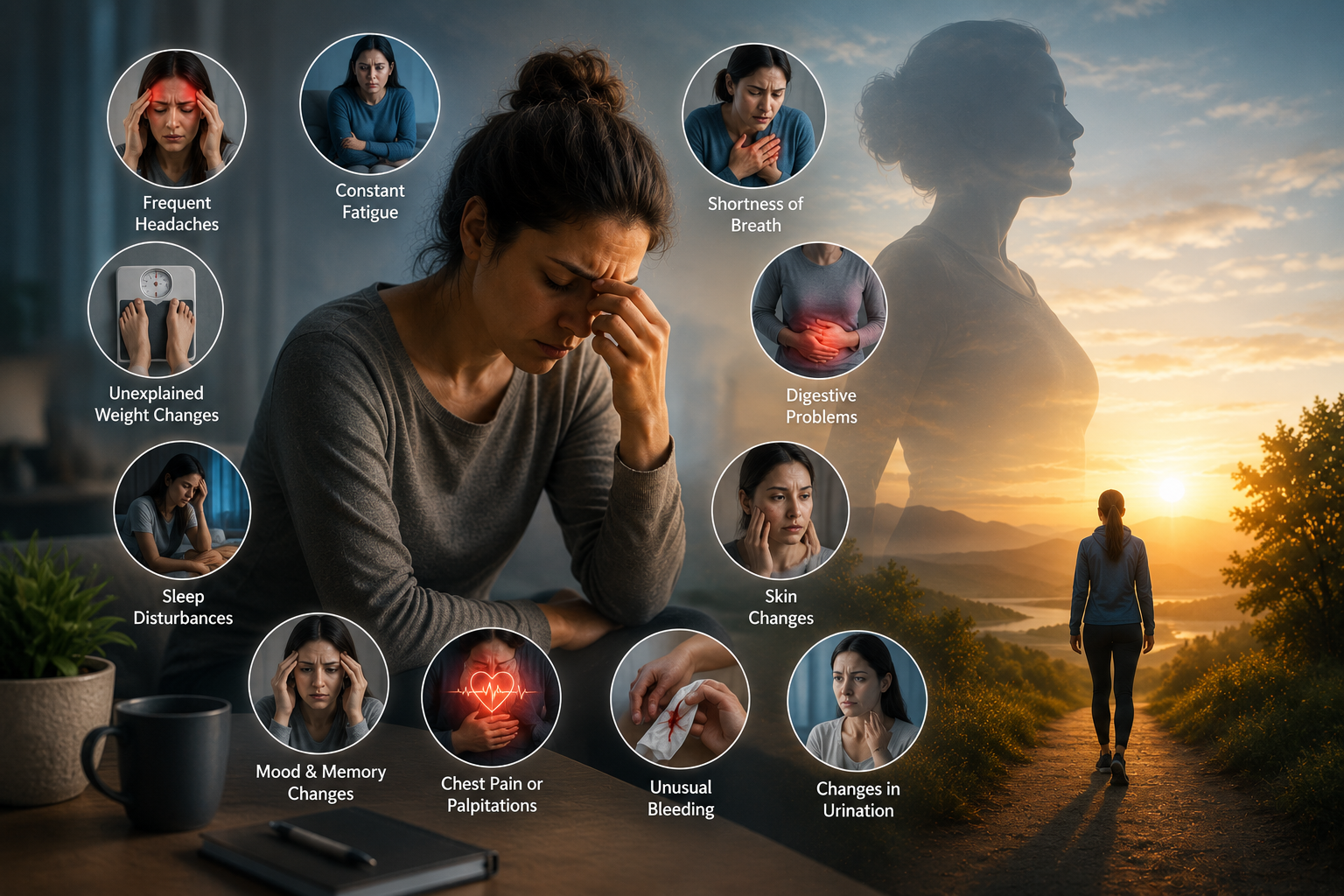
Stress can affect people differently. Some possible signs include:
- Feeling overwhelmed
- Irritability or anger
- Difficulty concentrating
- Lack of energy
- Headaches
- Changes in appetite
- Trouble sleeping
- Loss of interest in activities
- Withdrawing from friends or family
- Constant worrying
Long-term stress can affect both mental and physical health, so persistent symptoms should not simply be ignored.
Healthy Emotional Coping Habits
1. Recognize and Accept Your Feelings
Trying to suppress difficult emotions can make them harder to manage. Instead, acknowledge what you are feeling without judging yourself.
For example, saying “I am feeling overwhelmed today” can be a useful first step toward identifying what may be causing the emotion.
2. Practice Deep Breathing
Slow, controlled breathing can help promote relaxation during stressful moments. Taking a few minutes to pause and focus on your breathing can be incorporated into a daily routine.
3. Stay Physically Active
Regular physical activity supports both physical and emotional health. Walking, stretching, yoga, cycling, dancing, or another activity you enjoy can be a practical way to incorporate movement into your routine.
4. Prioritize Sleep
Poor sleep can make it harder to manage emotions and cope with stress. Try to maintain a consistent sleep schedule and create a relaxing bedtime routine.
Most adults need at least seven hours of sleep each night, although individual needs can vary.
5. Stay Connected With Others
Healthy relationships can provide emotional support during difficult periods. Talking with a trusted friend, family member, partner, or support group can help reduce feelings of isolation.
Social connections are considered an important part of emotional wellness and resilience.
6. Set Realistic Expectations
Trying to manage too many responsibilities at once can contribute to feeling overwhelmed.
Consider:
- Creating a manageable daily schedule
- Prioritizing important tasks
- Taking regular breaks
- Saying no when necessary
- Allowing yourself time to rest
Setting realistic goals can make everyday responsibilities feel more manageable.
7. Make Time for Yourself
Self-care does not have to involve complicated routines. Reading, listening to music, spending time outdoors, practicing a hobby, or simply taking a quiet break can provide an opportunity to recharge.
Small, consistent activities can support emotional well-being.
8. Maintain Healthy Eating Habits
A balanced diet supports overall physical health, which is closely connected with mental well-being. Try to include a variety of vegetables, fruits, whole grains, protein sources, and healthy fats in your meals.
Staying adequately hydrated is also an important part of maintaining general wellness.
9. Keep a Journal
Writing down thoughts and emotions may help some people recognize patterns, organize their concerns, and reflect on stressful situations.
A simple journal can include:
- How you are feeling
- What caused the emotion
- What helped you feel better
- Sleep quality
- Daily activities
- Positive experiences
Building Emotional Resilience
Resilience is the ability to adapt to difficult situations and recover from challenges. It can be strengthened over time through healthy habits and supportive relationships.
Some ways to build resilience include:
- Learning from difficult experiences
- Maintaining supportive relationships
- Practicing gratitude
- Taking care of your physical health
- Focusing on things you can control
- Asking for help when necessary
- Making time for enjoyable activities
Resilience does not mean handling everything alone. Seeking support can be an important part of coping effectively.
Mental Wellness During Different Life Stages
Women's emotional needs can change throughout life.
Young Adulthood
Education, career decisions, relationships, financial independence, and changes in living situations can create new sources of stress.
Pregnancy and After Childbirth
Pregnancy and the period after childbirth can bring significant physical, emotional, and lifestyle changes. Persistent sadness, anxiety, hopelessness, or difficulty functioning should be discussed with a healthcare professional.
Perimenopause and Menopause
Hormonal changes during the menopause transition can affect emotional and physical well-being. Women experiencing significant mood changes should discuss them with a healthcare professional.
When Should You Seek Professional Support?
Self-care can support mental wellness, but it is not a substitute for professional treatment when a mental health condition is present.
Consider speaking with a healthcare professional if you experience:
- Persistent sadness or hopelessness
- Excessive worry or fear
- Significant changes in sleep or appetite
- Persistent irritability
- Loss of interest in activities
- Difficulty managing everyday responsibilities
- Social withdrawal
- Symptoms that interfere with work, relationships, or daily life
Mental health conditions can be treated, and a primary healthcare provider can help connect you with an appropriate mental health professional when needed.
Don't Ignore Thoughts of Self-Harm
Thoughts about death or self-harm should always be taken seriously. If you or someone you know is experiencing these thoughts, seek immediate professional help and stay connected with a trusted person rather than trying to manage the situation alone.
Can Homeopathy Replace Mental Health Treatment?
Women interested in homeopathic care should discuss their options with a qualified healthcare professional. Homeopathy should not replace professional mental health assessment, counseling, psychotherapy, prescribed medication, or emergency care when these are needed.
There is insufficient reliable evidence to establish homeopathy as a replacement treatment for mental health conditions such as depression or anxiety.
Conclusion
Women’s mental wellness involves more than simply avoiding stress. Developing healthy emotional coping habits can help women recognize their feelings, manage everyday challenges, maintain supportive relationships, and build resilience.
Regular physical activity, adequate sleep, balanced nutrition, relaxation practices, meaningful social connections, realistic expectations, and time for self-care can all support emotional well-being.
Most importantly, asking for professional support is not a sign of weakness. If emotional difficulties persist or begin interfering with everyday life, speaking with a qualified healthcare or mental health professional can be an important step toward better well-being.
Medical Disclaimer: This article is intended for general educational purposes only and does not replace professional medical diagnosis, treatment, or advice. If you experience persistent or severe emotional symptoms, consult a qualified healthcare professional.