The Importance of a Balanced Diet for Children’s Growth
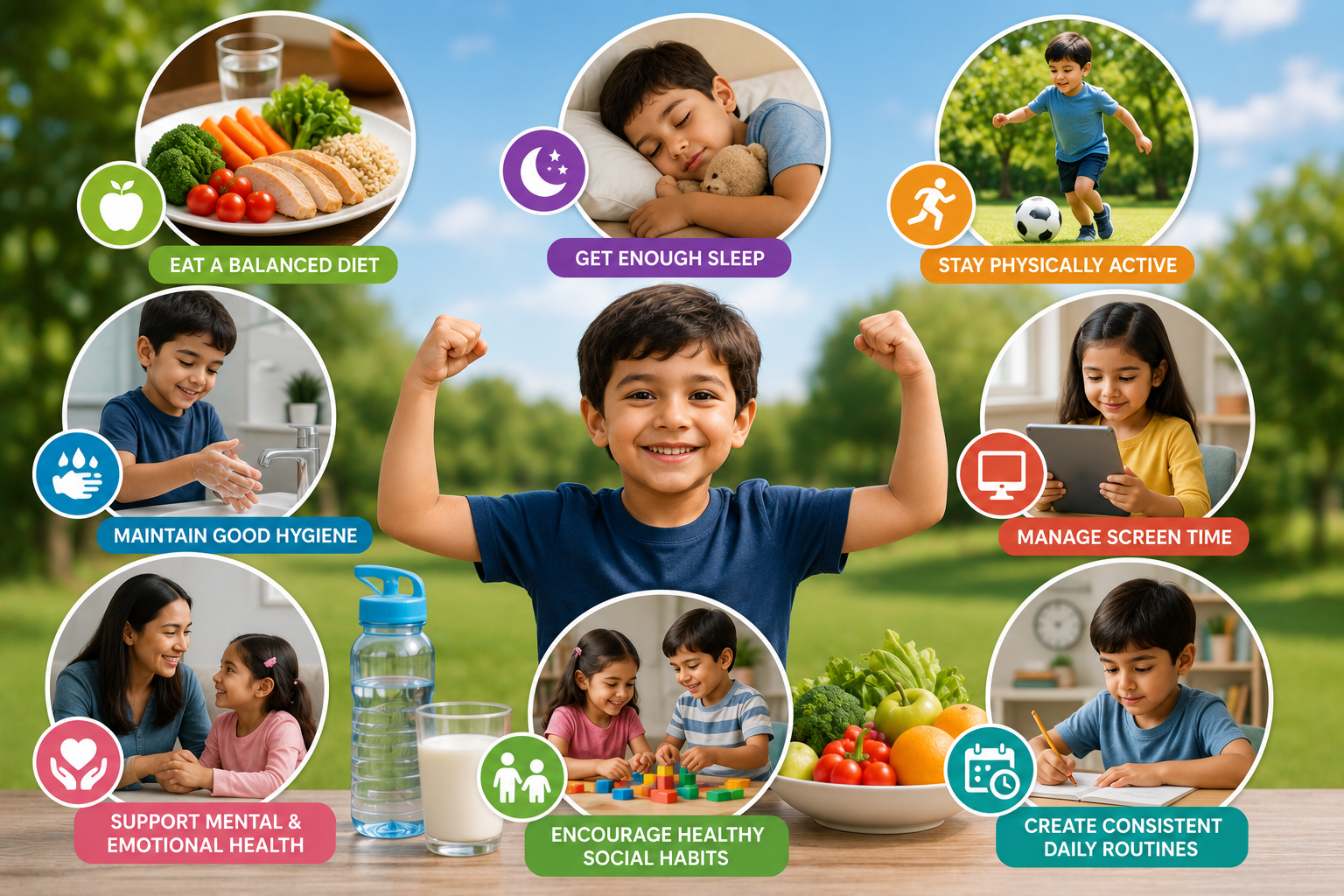
A balanced diet plays an important role in a child’s healthy growth and development. Children need a variety of nutrients to support their growing bodies, brain development, energy levels, and overall well-being. Developing healthy eating habits from an early age can help children build a strong foundation for a healthy lifestyle.
Supports Healthy Growth
Children’s bodies are constantly growing and developing. A balanced diet provides important nutrients that support the development of bones, muscles, organs, and other parts of the body.
Foods such as fruits, vegetables, whole grains, protein-rich foods, and dairy products or suitable alternatives can provide essential nutrients needed for healthy growth.
Supports Brain Development
Good nutrition is also important for a child’s brain development. A variety of nutritious foods can help support learning, concentration, memory, and overall cognitive development.
Offering children a variety of healthy foods can help provide the nutrients needed for their growing brains.
Provides Energy for Daily Activities
Children need energy for school, play, physical activity, and daily activities. A balanced diet can help provide the energy they need to stay active and engaged throughout the day.
Nutritious meals and healthy snacks can help support a child’s daily energy needs.
Supports a Healthy Immune System
A healthy diet provides vitamins and minerals that support the body’s natural defenses. Fruits and vegetables, in particular, contain many important nutrients that contribute to overall health.
A varied diet can help children receive a wide range of nutrients as part of a healthy lifestyle.
Important Food Groups for Children
A balanced diet should include a variety of foods, such as:
Fruits and vegetables: Provide important vitamins, minerals, and fiber.
Whole grains: Provide energy and fiber.
Protein-rich foods: Support muscle growth and development.
Dairy products or suitable alternatives: Can provide important nutrients for growing children.
Healthy fats: Support energy needs and overall development.
The exact nutritional needs of a child can vary depending on factors such as age, activity level, and individual health needs.
Encourage Healthy Eating Habits
Parents and caregivers can help children develop healthy eating habits by offering a variety of nutritious foods and creating regular meal routines. Making healthy foods available and encouraging children to try different foods can help them develop a positive relationship with eating.
Children may have different food preferences, so patience and repeated exposure to healthy foods can be helpful.
Limit Excessive Sugary and Highly Processed Foods
Foods and drinks high in added sugar and highly processed foods can be included occasionally, but they should not replace nutritious foods in a child’s regular diet.
Encouraging healthier choices can help children develop better eating habits over time.
Make Healthy Eating Enjoyable
Healthy eating should be a positive experience. Families can make meals more enjoyable by eating together, involving children in simple food preparation, and introducing a variety of colorful and nutritious foods.
Creating a positive mealtime environment can help children develop healthy eating habits.
Conclusion
A balanced diet is an important part of a child’s healthy growth and development. Nutritious foods provide the energy and nutrients children need for physical growth, brain development, daily activities, and overall well-being.
By encouraging a variety of healthy foods and positive eating habits from an early age, parents and caregivers can help children build a strong foundation for a healthy future. Individual nutritional needs can vary, so professional advice may be helpful when a child has specific dietary or health concerns.