The Role of Vaccinations in Child Health
Introduction
Vaccinations play a vital role in protecting children from many serious infectious diseases. They help the body's immune system recognize and defend against harmful viruses and bacteria before they can cause illness. Immunization has significantly reduced the spread of many preventable diseases and remains one of the most effective public health measures worldwide.
By following recommended vaccination schedules, parents and caregivers can help protect not only their own children but also their families and communities.
What Are Vaccinations?
Vaccinations are medical preparations that help the immune system recognize and fight specific diseases. They work by exposing the body to a harmless form or part of a germ, allowing the immune system to build protection without causing the disease itself.
If the child is exposed to the disease in the future, the immune system can respond more quickly and effectively.
How Vaccinations Protect Children
Children's immune systems are still developing, making them more vulnerable to certain infections. Vaccinations prepare the immune system to recognize harmful germs before exposure.
Vaccines help:
Reduce the risk of serious illnesses.
Lower the chance of disease complications.
Protect children during their early years.
Support long-term health.
Early immunization provides important protection during the stages when children are most at risk.
Preventing Serious Diseases
Vaccines help protect children against several potentially serious diseases, depending on the country's immunization program.
These may include diseases such as:
Measles
Polio
Diphtheria
Tetanus
Pertussis (whooping cough)
Hepatitis B
Mumps
Rubella
Vaccination programs have greatly reduced the occurrence of many of these illnesses in many parts of the world.
Strengthening the Immune System
Vaccines train the immune system to identify and respond to disease-causing germs. This process helps the body develop immunity without experiencing the full effects of the illness.
As a result, vaccinated children are better prepared to fight infections if they encounter these germs later in life.
Protecting the Community
Vaccination not only protects individual children but also helps reduce the spread of infectious diseases within the community.
When a large portion of the population is vaccinated, diseases have fewer opportunities to spread. This helps protect people who cannot receive certain vaccines due to age or specific medical conditions.
Community-wide protection contributes to improved public health.
Supporting Healthy Growth and Development
Serious infectious diseases can interrupt a child's normal growth, education, and daily activities.
By helping prevent these illnesses, vaccinations allow children to:
Attend school regularly.
Participate in sports and play.
Maintain healthy growth.
Enjoy normal childhood activities.
Good health supports physical, emotional, and social development.
Following the Recommended Vaccination Schedule
Healthcare authorities develop vaccination schedules based on scientific evidence to provide protection at the most appropriate ages.
Parents and caregivers should:
Keep an updated vaccination record.
Attend scheduled immunization appointments.
Consult healthcare professionals if appointments are missed.
Ask questions if they need more information about recommended vaccines.
Following the recommended schedule helps ensure children receive timely protection.
Vaccine Safety
Vaccines undergo extensive research, testing, and ongoing monitoring before and after approval to help ensure they meet established safety and quality standards.
Like many medical products, vaccines may cause mild and temporary side effects such as soreness at the injection site, slight fever, or tiredness. These effects usually resolve on their own within a short time.
Parents should consult a qualified healthcare professional if they have questions about vaccine safety or if a child experiences symptoms that are severe, persistent, or concerning.
The Importance of Keeping Vaccination Records
Maintaining accurate vaccination records helps parents and healthcare providers monitor which vaccines a child has received.
A complete immunization record can be useful for:
School admissions.
Medical appointments.
Travel requirements.
Future healthcare needs.
Keeping records organized makes it easier to follow the recommended schedule.
Addressing Common Questions
Parents often have questions about vaccines. Speaking with a qualified healthcare professional is the best way to receive accurate, evidence-based information.
Reliable information helps families make informed healthcare decisions and avoid misinformation.
Tips for Parents
Parents and caregivers can support their child's vaccination journey by:
Following the recommended immunization schedule.
Keeping vaccination records updated.
Attending regular pediatric checkups.
Asking healthcare professionals about any concerns.
Monitoring the child after vaccination as advised.
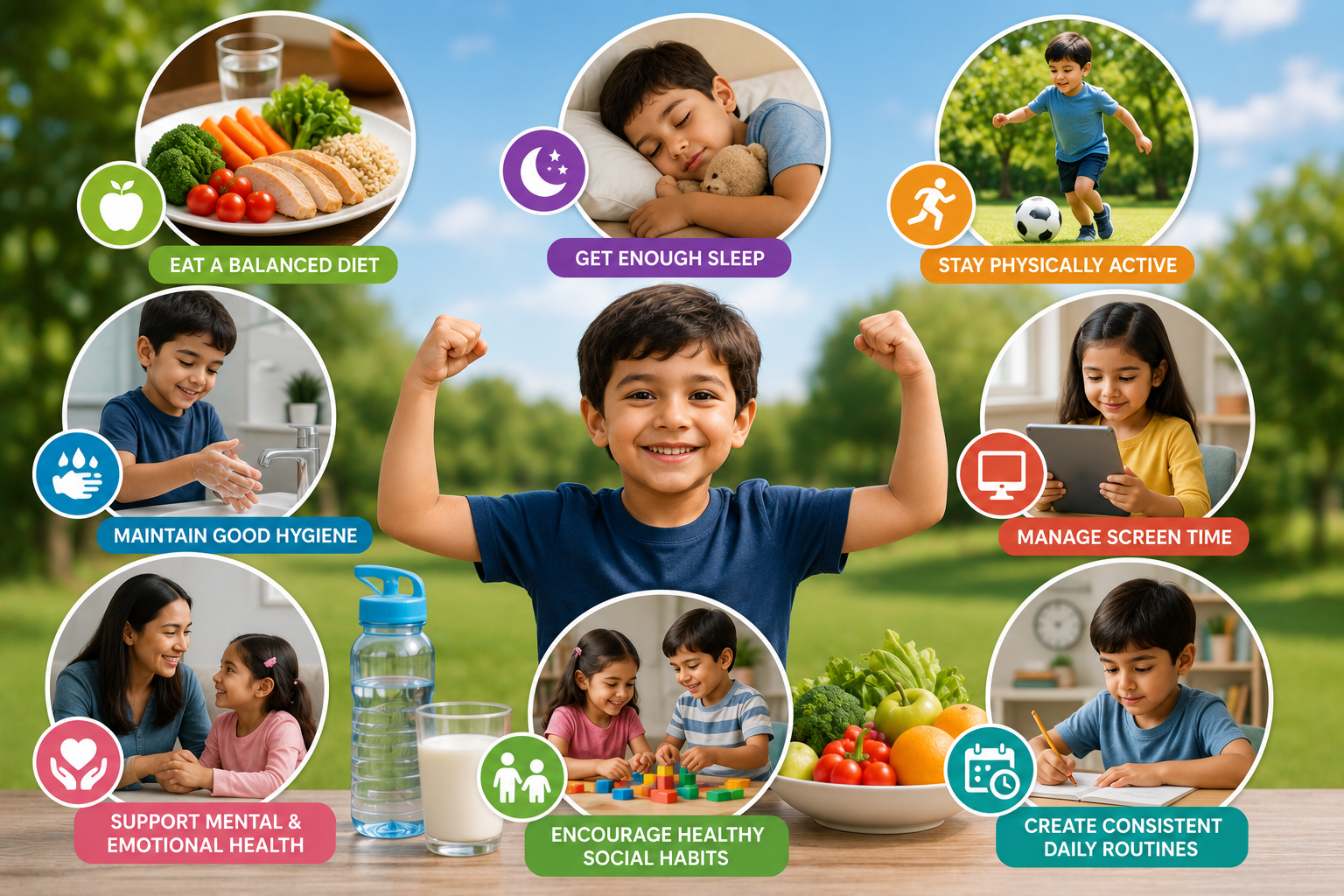
Encouraging healthy habits such as balanced nutrition, good hygiene, and adequate sleep to support overall well-being.
Benefits of Vaccination
Children who receive recommended vaccinations may benefit from:
Protection against many preventable diseases.
Reduced risk of serious complications.
Stronger immune protection.
Healthier childhood development.
Fewer missed school days due to illness.
Lower risk of spreading infections to others.
Improved public health through community protection.
These benefits contribute to healthier families and communities.
Conclusion
Vaccinations are an essential part of child healthcare. They help protect children from many preventable infectious diseases, strengthen the immune system, and support healthy growth and development. By following recommended immunization schedules and seeking guidance from qualified healthcare professionals, parents and caregivers can help provide children with important protection during their early years.
Vaccination, along with proper nutrition, regular physical activity, good hygiene, and routine health checkups, forms a strong foundation for lifelong health and well-being.