What Is Anxiety? Understanding the Symptoms and Causes
Feeling anxious from time to time is a normal part of life. You may feel nervous before an important exam, job interview, public presentation, or major life event. In many cases, these feelings are temporary and can even help you stay alert and focused.
However, when anxiety becomes frequent, intense, or begins to interfere with daily life, it may be a sign of an anxiety disorder. Understanding the symptoms, causes, and available support can help individuals recognize anxiety early and seek appropriate care.
What Is Anxiety?
Anxiety is the body's natural response to stress or perceived danger. It involves feelings of worry, fear, or uneasiness that prepare the body to respond to challenging situations.
Occasional anxiety is common, but persistent anxiety that affects work, school, relationships, or everyday activities may require professional evaluation and support.
Common Symptoms of Anxiety
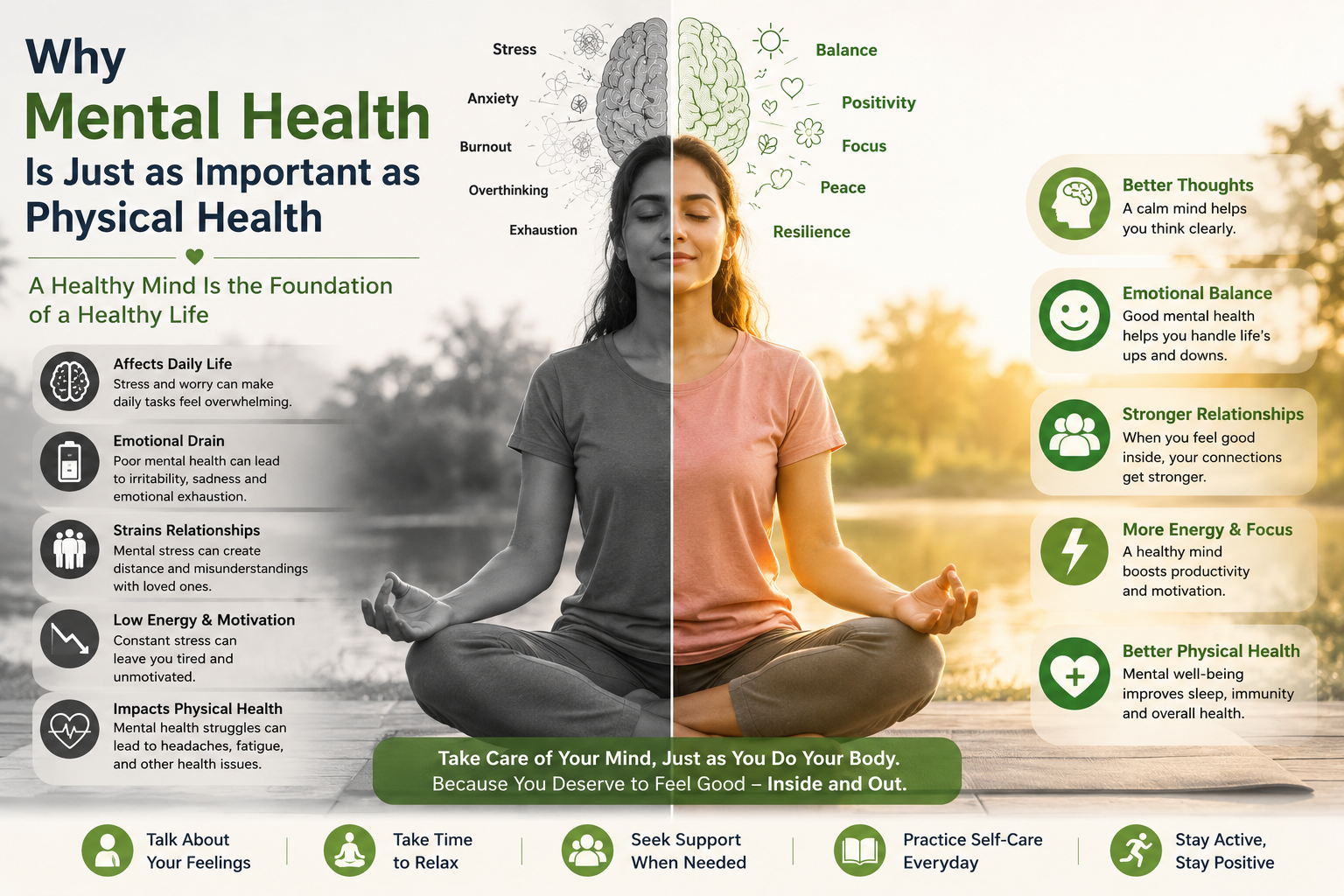
Anxiety affects both the mind and body. Symptoms can vary from person to person but commonly include:
Emotional Symptoms
Excessive worrying
Feeling restless or nervous
Difficulty concentrating
Irritability
Feeling overwhelmed
Constant fear of something bad happening
Physical Symptoms
Rapid heartbeat
Sweating
Trembling or shaking
Shortness of breath
Muscle tension
Fatigue
Headaches
Stomach discomfort or nausea
Dizziness
Trouble sleeping
Not everyone experiences the same symptoms, and their intensity can differ.
What Causes Anxiety?
There is no single cause of anxiety. It often develops due to a combination of biological, psychological, and environmental factors.
1. Stressful Life Events
Major life changes can trigger anxiety, including:
Job loss
Financial difficulties
Divorce or relationship problems
Academic pressure
Moving to a new place
Loss of a loved one
2. Family History
Individuals with a family history of anxiety disorders may have a higher risk of developing anxiety themselves.
3. Brain Chemistry
Changes in certain brain chemicals involved in mood regulation may contribute to anxiety disorders.
4. Personality Factors
People who are naturally more sensitive, perfectionistic, or prone to overthinking may be more likely to experience anxiety.
5. Chronic Medical Conditions
Certain health conditions, chronic pain, or hormonal changes may contribute to anxiety symptoms.
Risk Factors
Some factors that may increase the likelihood of anxiety include:
Ongoing stress
Poor sleep habits
Social isolation
Substance misuse
Chronic illness
Childhood trauma
High-pressure work or academic environments
Types of Anxiety Disorders
Mental health professionals recognize several types of anxiety disorders, including:
Generalized Anxiety Disorder (GAD)
Persistent and excessive worry about everyday situations.
Panic Disorder
Repeated panic attacks involving sudden, intense fear and physical symptoms.
Social Anxiety Disorder
An intense fear of social situations or being judged by others.
Specific Phobias
Extreme fear of certain objects, places, or situations.
Separation Anxiety Disorder
Excessive fear related to being separated from loved ones.
Only a qualified healthcare professional can diagnose these conditions.
How Anxiety Can Affect Daily Life
If left unmanaged, anxiety may affect:
Work performance
Academic achievement
Relationships
Sleep quality
Physical health
Confidence and self-esteem
Social interactions
Early recognition and support can help reduce these impacts.
Healthy Ways to Manage Anxiety
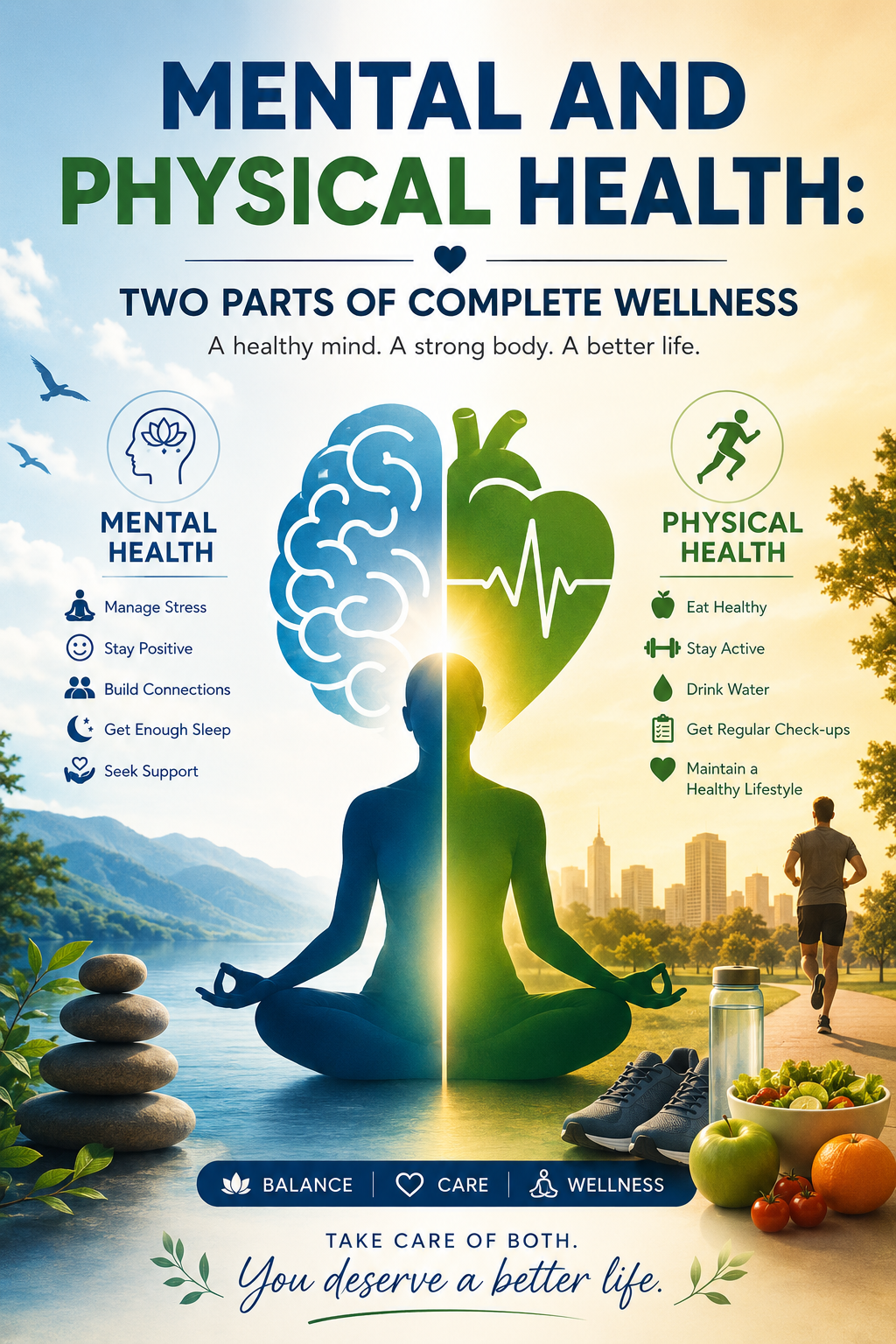
Although everyone's experience is different, several healthy habits may support emotional well-being.
Exercise Regularly
Physical activity helps reduce stress and supports overall mental health.
Get Enough Sleep
Aim for 7–9 hours of quality sleep each night.
Practice Relaxation Techniques
Deep breathing, meditation, yoga, and mindfulness exercises may help promote relaxation.
Eat a Balanced Diet
Nutritious meals support overall health and brain function.
Limit Caffeine and Alcohol
For some individuals, excessive caffeine or alcohol may worsen anxiety symptoms.
Stay Connected
Talking with trusted friends, family members, or support groups can provide emotional support.
Follow a Daily Routine
Maintaining a regular schedule may help reduce uncertainty and stress.
When Should You Seek Professional Help?
Consider speaking with a healthcare professional if:
Anxiety lasts for several weeks or months.
Symptoms interfere with work, school, or relationships.
You experience frequent panic attacks.
You avoid everyday activities because of fear.
Self-help strategies are not improving your symptoms.
A qualified healthcare provider can assess your symptoms and recommend appropriate treatment options.
Frequently Asked Questions (FAQs)
Is anxiety normal?
Yes. Occasional anxiety is a normal response to stressful situations. Persistent or excessive anxiety that interferes with daily life should be evaluated by a healthcare professional.
Can anxiety cause physical symptoms?
Yes. Anxiety may contribute to physical symptoms such as rapid heartbeat, sweating, muscle tension, headaches, stomach discomfort, and difficulty sleeping.
Can lifestyle changes help manage anxiety?
Healthy habits such as regular exercise, quality sleep, balanced nutrition, stress management, and social support may help improve overall emotional well-being.
Can children and teenagers experience anxiety?
Yes. Anxiety can affect people of all ages, including children and adolescents. Persistent symptoms should be discussed with a qualified healthcare professional.
Is anxiety treatable?
Yes. Anxiety disorders are treatable, and many people benefit from professional care, healthy lifestyle changes, and evidence-based treatment plans.
Final Thoughts
Anxiety is a common mental health condition that affects millions of people worldwide. While occasional worry is a normal part of life, persistent anxiety should not be ignored. Recognizing the symptoms early and understanding the possible causes can help individuals seek timely support.
Adopting healthy lifestyle habits, practicing stress-management techniques, and consulting a qualified healthcare professional when needed are important steps toward improving emotional well-being and overall quality of life.
Disclaimer: This article is intended for educational purposes only and should not be considered medical advice. If you are experiencing persistent anxiety or other mental health concerns, consult a qualified healthcare professional for evaluation and personalized care.